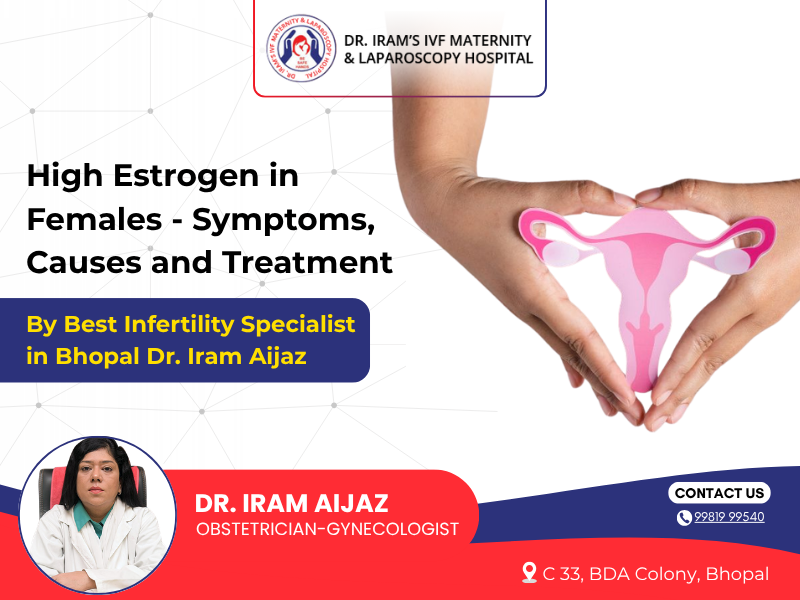
Hormones play a major role in a woman’s overall health. They affect menstrual cycles, ovulation, mood, metabolism, skin health, and fertility. Estrogen is one of the most important female hormones, but when its level becomes too high, it may lead to several health concerns. High estrogen can disturb periods, cause weight gain, trigger mood changes, and reduce the chances of pregnancy. Many women facing fertility issues later discover that hormonal imbalance was the hidden cause. In such situations, timely Female infertility treatment in Bhopal can help identify the exact problem and begin the right care.
High estrogen is commonly called estrogen dominance. This happens when estrogen becomes higher than needed or when progesterone levels are lower in comparison. Since both hormones work together, imbalance between them can affect ovulation and reproductive health. Women experiencing cycle problems or pregnancy delay often seek Female infertility treatment in Bhopal for proper hormone evaluation and fertility planning.
What is Estrogen and Why is it Important?
Estrogen is mainly produced by the ovaries. It supports puberty, breast development, healthy bones, regular menstrual cycles, and pregnancy preparation. During every menstrual cycle, estrogen helps thicken the uterine lining so the body can prepare for pregnancy.
Normal estrogen levels naturally rise and fall during the month. But if the body produces too much estrogen or cannot remove excess estrogen properly, symptoms may start appearing. Many women who visit for Female infertility treatment in Bhopal are found to have hormonal imbalance affecting ovulation.
Common Symptoms of High Estrogen in Females
High estrogen can cause different symptoms depending on age, lifestyle, and health condition. Common signs include:
- Irregular periods
- Heavy menstrual bleeding
- Spotting between periods
- Breast tenderness or swelling
- Weight gain, especially around hips and abdomen
- Bloating
- Mood swings
- Anxiety or irritability
- Headaches or migraines
- Low energy and fatigue
- Low libido
- Difficulty getting pregnant
Some women ignore these symptoms for years, thinking they are normal. However, repeated cycle changes can be an early sign to seek Female infertility treatment in Bhopal before fertility gets affected.
Women searching for Female Infertility symptoms in Bhopal should know that irregular ovulation, delayed periods, and conception difficulty are commonly linked with hormone imbalance.
Main Causes of High Estrogen in Females
1. Polycystic Ovary Syndrome (PCOS)
PCOS is one of the most common hormonal disorders in women and a major cause of estrogen imbalance. It can lead to irregular ovulation, missed periods, acne, weight gain, and difficulty in getting pregnant.
2. Obesity
Excess body fat can increase estrogen production because fat cells also produce hormones. This is why overweight women often experience hormonal imbalance, irregular periods, and fertility issues.
3. Stress
Long-term stress increases cortisol levels in the body, which can disturb the natural balance of estrogen and progesterone. This may affect ovulation, menstrual cycles, and overall reproductive health.
4. Poor Diet and Inactive Lifestyle
Eating too much sugar, processed food, and following a sedentary lifestyle can negatively affect hormone balance. Lack of exercise may also worsen insulin resistance and increase estrogen-related problems.
5. Liver Function Problems
The liver helps break down and remove extra estrogen from the body. If liver function is weak, excess estrogen may stay longer in the system and create hormonal imbalance.
6. Thyroid Disorders
Thyroid problems can indirectly affect reproductive hormones and menstrual cycles. Conditions like hypothyroidism may cause delayed periods, weight gain, and fertility concerns.
7. Certain Medicines
Women researching Female infertility causes in Bhopal should understand that PCOS, obesity, ovulation disorders, and thyroid imbalance are among the leading reasons for female infertility.
How High Estrogen Affects Fertility
Pregnancy depends on healthy ovulation, good egg quality, and balanced hormones. High estrogen may affect fertility in many ways:
- Preventing regular egg release
- Causing irregular periods
- Disturbing ovulation timing
- Affecting egg quality
- Creating imbalance in uterine lining
- Increasing PCOS-related infertility risk
Many couples trying for pregnancy without success later benefit from early Female infertility treatment in Bhopal after discovering hormone imbalance.
How Doctors Diagnose High Estrogen
Diagnosis usually includes:
- Menstrual and medical history
- Hormone blood tests (Estrogen, FSH, LH, Progesterone, Prolactin, Thyroid)
- Pelvic ultrasound
- Ovulation tracking
- Weight and metabolic assessment
- Fertility evaluation if pregnancy is delayed
Correct diagnosis is an important part of Female infertility treatment in Bhopal, as treatment depends on the real cause.
Treatment of High Estrogen in Females
Treatment depends on symptoms, age, fertility goals, and underlying cause.
Lifestyle Changes
- Maintain healthy body weight
- Exercise regularly
- Reduce stress through yoga or meditation
- Eat more vegetables and fiber-rich foods
- Reduce sugar and processed foods
- Improve sleep quality
Medical Treatment
- Medicines to regulate periods
- Ovulation support treatment
- PCOS management
- Thyroid treatment if needed
- Hormonal balancing medicines under medical guidance
Fertility Treatment
If pregnancy is delayed, advanced Female infertility treatment in Bhopal may include ovulation induction, IUI, or IVF depending on the condition and age.
When to Consult a Specialist
Seek medical advice if you have:
FAQs:
1. What is High estrogen?
High estrogen means the estrogen hormone level in the body is more than normal or higher than needed compared to other hormones like progesterone. This hormone imbalance can affect periods, mood, weight, and fertility.
2. What does it mean when your estrogen is high?
When estrogen is high, it means the body’s hormones are not balanced properly. This may lead to irregular periods, heavy bleeding, bloating, headaches, mood changes, and problems with ovulation.
3. How does a woman feel when estrogen is high?
A woman with high estrogen may feel tired, bloated, emotional, irritated, anxious, or low in energy. Some women may also notice breast tenderness, headaches, weight gain, or changes in periods.
4. Should women worry if their estrogen is high?
High estrogen should not be ignored, especially if symptoms happen often or pregnancy is delayed. In many cases, it can be managed with the right treatment, healthy lifestyle changes, and medical guidance.
5. What are 5 estrogen foods to avoid?
To support better hormone balance, it may help to reduce these foods:
- Processed foods
- Sugary foods and sweets
- Fried foods
- Alcohol
- Refined flour foods like white bread and pastries
Eating more fresh vegetables, fruits, whole grains, and healthy protein can help support hormone health.