
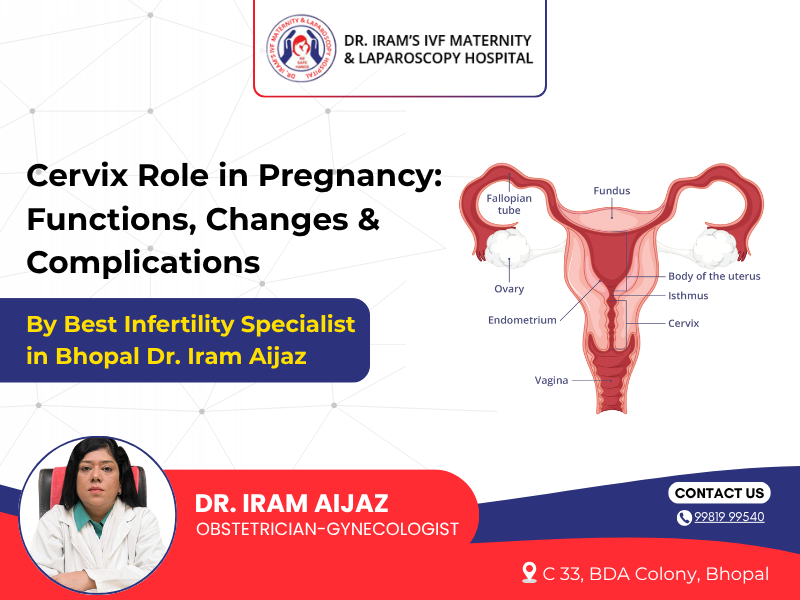
Pregnancy is a time when many body parts work together to support the growth of a baby. One of the most important parts is the cervix. The cervix is the lower narrow part of the uterus that connects the uterus to the vagina. It plays a major role before conception, during pregnancy, and at the time of delivery. Many women do not realize how important cervical health is until they face fertility or pregnancy issues. If you are exploring Female infertility treatment in Bhopal, understanding the cervix can be very helpful.
The cervix acts like a protective gate. It remains closed during pregnancy to keep the baby safe inside the uterus. Near delivery, it softens, thins, and opens so the baby can be born. Problems in the cervix can sometimes lead to miscarriage, preterm birth, or difficulty in conception. This is why doctors carefully monitor the cervix during pregnancy.
What is Cervix?
The cervix is a small cylindrical structure located at the bottom of the uterus. It is around 2.5 to 4 cm long in non-pregnant women, though size may vary. It has a small opening called the cervical canal that allows menstrual blood to pass out and sperm to enter the uterus.
The cervix is made of strong connective tissue and muscles. During pregnancy, it becomes firmer and remains tightly closed in the early months. This strength helps carry the pregnancy safely. Women seeking Female infertility treatment in Bhopal are often advised to evaluate cervical health as part of fertility testing.
Main Functions of the Cervix in Pregnancy
1. Keeps the Baby Safe Inside the Uterus
One of the biggest roles of the cervix is to stay closed during pregnancy. This helps keep the fetus inside the uterus until full term.
2. Forms a Mucus Plug
Early in pregnancy, the cervix forms a thick mucus plug. This plug blocks bacteria and infections from entering the uterus.
3. Supports the Weight of Pregnancy
As the baby grows, the uterus becomes heavier. The cervix must stay strong enough to support this increasing weight.
4. Opens During Labor
Near childbirth, the cervix begins to soften, shorten, and open. Full dilation is around 10 cm for vaginal delivery.
Changes in the Cervix During Pregnancy
Understanding Cervix in pregnancy in Bhopal is useful for expecting mothers who want to know what happens month by month.
Early Pregnancy
- Cervix becomes softer due to hormonal changes
- Blood flow increases
- Mucus plug starts forming
- Position may rise slightly in the vagina
Mid Pregnancy
- Cervix remains closed and long
- Doctors may measure cervical length through ultrasound if needed
Late Pregnancy
- Cervix begins ripening
- Effacement starts (thinning)
- Dilation starts gradually before labor
A healthy cervix usually stays long and closed until the last weeks of pregnancy.
What is Cervical Length and Why Does It Matters?
Cervical length is the measurement of the cervix through ultrasound, usually transvaginal ultrasound. It is an important predictor of preterm birth risk.
The cervix plays a silent but powerful role in pregnancy. It protects the baby, prevents infection, supports the uterus, and opens at the right time for delivery. Any weakness or abnormal change in the cervix can affect pregnancy outcomes. Early diagnosis and proper care can make a major difference.
If you have repeated miscarriages, preterm birth history, or fertility concerns, timely consultation for Female infertility treatment in Bhopal can help identify cervical problems and improve pregnancy success. Understanding Cervix’s role in pregnancy in Bhopal gives women the knowledge to take better care of their reproductive health.
- Normal mid-pregnancy cervical length is often above 25 mm
- Less than 25 mm before 24 weeks may increase preterm birth risk
- Doctors may advise progesterone or cerclage in some cases
This information is also relevant for women researching Female infertility treatment in Bhopal after repeated pregnancy loss.
Common Cervix Complications in Pregnancy
1. Cervical Insufficiency (Weak Cervix)
This happens when the cervix opens too early without pain or contractions. It can cause second-trimester miscarriage or premature birth.
It affects about 1 in 100 pregnancies according to some clinical sources.
2. Short Cervix
A short cervix can increase the risk of early labor. It is often found during routine scans.
3. Cervical Infection
Infections may irritate the cervix and increase complications if untreated.
4. Cervical Scarring
Past surgeries like LEEP, D&C, or trauma may affect cervical function in future pregnancies.
Warning Signs to Watch During Pregnancy
Contact a doctor immediately if you notice:
- Pelvic pressure
- Lower back pain
- Spotting or bleeding
- Watery discharge
- Regular contractions before 37 weeks
- Sudden increase in discharge
These signs do not always mean a serious problem, but they need medical evaluation.
How Doctors Check Cervical Health
Doctors may use:
Ultrasound Scan
Best method to measure cervical length.
Physical Examination
To check dilation or softening.
Medical History Review
Especially if there were miscarriages, preterm births, or cervical surgery earlier.
Women facing Female infertility causes in Bhopal may also be advised cervical testing if conception is difficult or pregnancy losses occur.
Treatment Options for Cervix Problems
Depending on the issue, treatment may include:
Progesterone Support
Used in some women with short cervix to reduce preterm birth risk.
Cervical Cerclage
A stitch placed around the cervix to help keep it closed during pregnancy.
Rest and Monitoring
Regular scans and follow-up appointments.
Infection Treatment
Antibiotics if infection is present.
Can Cervix Problems Affect Fertility?
Yes, in some women cervical issues can affect fertility. Examples include:
- Narrow cervical opening
- Thick hostile mucus that blocks sperm
- Scarring after surgery
- Chronic infection
These are among possible Female infertility causes in Bhopal and should be assessed by a fertility expert.
How to Keep the Cervix Healthy
- Attend regular gynecology checkups
- Get Pap smear screening when advised
- Treat infections early
- Avoid smoking
- Maintain healthy weight
- Follow prenatal care during pregnancy
- Discuss past cervical surgeries with your doctor
FAQs
1. What is the cervix?
The cervix is the lower part of the uterus that connects the womb to the vagina. It is an important part of the female reproductive system and helps in menstruation, pregnancy, and childbirth.
2. Why does the cervix have an important role in pregnancy?
The cervix plays an important role in pregnancy because it stays closed during most of the pregnancy to keep the baby safe inside the uterus. It also helps protect the womb from infections.
3. Why is the cervix important during pregnancy?
The cervix is important during pregnancy because it supports the growing baby and helps maintain the pregnancy until delivery. It opens only when labor begins so the baby can be born.
4. Can a baby survive if the cervix is open?
If the cervix opens too early during pregnancy, it can be a serious condition and needs immediate medical attention. With timely treatment and proper care, some pregnancies can continue safely depending on the stage of pregnancy.
5. What are common cervix problems during pregnancy?
Common cervix problems during pregnancy include short cervix, weak cervix, early opening of the cervix, infections, and cervical scarring. Regular prenatal checkups can help detect these problems early.