Starting a family is one of the most beautiful dreams for many couples. However, for some people, getting pregnant may take longer than expected. Infertility is becoming increasingly common among couples due to lifestyle changes, stress, medical conditions, and delayed pregnancies. Understanding the causes of infertility can help couples take the right steps at the right time.
At DR. IRAM’S IVF MATERNITY HANDS LAPAROSCOPY HOSPITAL, many couples visit an experienced Infertility Specialist in Bhopal to understand why pregnancy is not happening naturally. Early diagnosis and proper treatment can improve the chances of conception and help couples move forward with confidence.
Infertility can affect both men and women. In many cases, both partners may contribute equally to fertility problems. Visiting the Best IVF Hospital in Bhopal helps couples receive proper evaluation, counseling, and advanced fertility treatment options based on their condition.
What is Infertility?
Infertility is the inability to conceive naturally even after trying for one year with regular unprotected intercourse. For women above the age of 35, doctors usually recommend fertility evaluation after six months of trying.
An experienced Infertility Specialist in Bhopal carefully evaluates both partners because fertility problems can arise from male factors, female factors, or a combination of both. At the Best IVF Hospital in Bhopal, couples receive detailed fertility assessments that help identify the root cause of infertility.
Common Causes of Female Infertility
Female infertility can happen due to hormonal imbalance, reproductive disorders, lifestyle habits, or age-related changes. Understanding these causes helps women seek timely treatment.
1. Polycystic Ovary Syndrome (PCOS)
PCOS is one of the most common causes of infertility in women. It affects hormone levels and may prevent regular ovulation. Women with PCOS often experience irregular periods, weight gain, acne, and excessive hair growth.
When ovulation does not occur regularly, pregnancy becomes difficult. An experienced Infertility Specialist in Bhopal may recommend lifestyle changes, medications, or fertility treatments depending on the severity of the condition.
At the Best IVF Hospital in Bhopal, advanced fertility management options are available for women suffering from PCOS-related infertility.
2. Blocked Fallopian Tubes
The fallopian tubes carry the egg from the ovaries to the uterus. If these tubes are blocked due to infection, previous surgery, or endometriosis, sperm cannot meet the egg.
Blocked tubes are one of the major reasons why natural pregnancy becomes difficult. A skilled Infertility Specialist in Bhopal may suggest laparoscopy or IVF treatment depending on the condition of the tubes.
Many women visit the Best IVF Hospital in Bhopal for advanced diagnostic procedures and minimally invasive fertility treatments.
3. Endometriosis
Endometriosis occurs when tissue similar to the uterine lining grows outside the uterus. This condition may cause severe pelvic pain, painful periods, and fertility problems.
Endometriosis can affect the ovaries, fallopian tubes, and reproductive organs, making conception difficult. Consulting an experienced Infertility Specialist in Bhopal can help women manage symptoms and improve fertility outcomes.
The Best IVF Hospital in Bhopal offers advanced laparoscopic treatment options for women suffering from endometriosis.
4. Irregular Ovulation
Ovulation is necessary for pregnancy. Hormonal imbalance, stress, thyroid disorders, obesity, and PCOS can interfere with ovulation.
Women who do not ovulate regularly may have irregular menstrual cycles or missed periods. A qualified Infertility Specialist in Bhopal can perform hormone tests and ultrasound evaluations to identify ovulation-related problems.
At the Best IVF Hospital in Bhopal, fertility experts create personalized treatment plans for ovulation disorders.
5. Age-Related Fertility Decline
As women age, both egg quality and egg quantity decline naturally. Fertility decreases significantly after the age of 35.
Many couples today delay pregnancy due to career goals or personal reasons, which may increase fertility challenges later in life. Consulting an Infertility Specialist in Bhopal at the right time can help women understand their reproductive health better.
The Best IVF Hospital in Bhopal provides fertility preservation guidance and advanced reproductive treatments for age-related infertility.
6. Uterine Fibroids
Fibroids are non-cancerous growths inside the uterus that may interfere with implantation or pregnancy. Some women may experience heavy bleeding, pelvic pressure, or pain.
Large fibroids can affect fertility and increase pregnancy complications. A trusted Infertility Specialist in Bhopal may recommend medication or surgical treatment based on the size and location of fibroids.
Women seeking fertility-friendly treatment often choose the Best IVF Hospital in Bhopal for expert care.
Common Causes of Male Infertility
Male infertility contributes to a significant number of infertility cases. Fertility problems in men are commonly related to sperm quality, sperm count, or hormonal imbalance.
1. Low Sperm Count
Low sperm count means fewer sperm are present in semen, reducing the chances of fertilization.
Several factors may cause low sperm count, including smoking, alcohol consumption, obesity, infections, stress, and hormonal disorders. An experienced Infertility Specialist in Bhopal can recommend semen analysis and fertility evaluations for proper diagnosis.
At the Best IVF Hospital in Bhopal, couples receive complete male fertility assessments and treatment options.
2. Poor Sperm Motility
Sperm motility refers to the ability of sperm to swim properly toward the egg. Poor sperm movement can reduce the chances of natural conception.
Lifestyle habits, infections, and genetic conditions can affect sperm motility. Consulting an Infertility Specialist in Bhopal helps men understand the underlying causes and available treatments.
The Best IVF Hospital in Bhopal offers advanced reproductive technologies that help overcome sperm motility issues.
3. Hormonal Imbalance in Men
Hormones play an important role in sperm production. Problems with testosterone or other hormones can affect fertility.
Symptoms may include fatigue, low sexual desire, and reduced muscle strength. A qualified Infertility Specialist in Bhopal may suggest blood tests to evaluate hormone levels.
The Best IVF Hospital in Bhopal provides fertility care for hormonal disorders affecting male reproductive health.
4. Varicocele
Varicocele is the enlargement of veins inside the scrotum. It can affect sperm quality and sperm production.
This condition is common and treatable in many cases. Early consultation with an Infertility Specialist in Bhopal can help improve fertility outcomes through proper treatment.
Men seeking advanced fertility solutions often visit the Best IVF Hospital in Bhopal for expert diagnosis and treatment.
5. Lifestyle Factors Affecting Male Fertility
Modern lifestyle habits significantly affect fertility in men. Smoking, alcohol, stress, unhealthy food, lack of sleep, and excessive heat exposure can reduce sperm health.
Simple lifestyle changes can improve fertility naturally. An experienced Infertility Specialist in Bhopal may guide couples regarding healthy habits that support reproductive health.
The Best IVF Hospital in Bhopal focuses on both medical treatment and lifestyle counseling for couples.
Lifestyle Factors That Affect Fertility in Men and Women
Stress and Mental Health
Stress affects hormonal balance and reproductive health in both men and women. Emotional pressure related to work, finances, or family expectations may impact fertility.
Relaxation techniques, counseling, and healthy routines can help improve emotional well-being. Consulting an Infertility Specialist in Bhopal may also help couples manage fertility-related anxiety.
Obesity and Poor Diet
Excess body weight can affect hormone levels, ovulation, and sperm quality. Eating unhealthy food regularly may reduce fertility over time.
The Best IVF Hospital in Bhopal encourages couples to follow a balanced diet rich in fruits, vegetables, proteins, and essential nutrients.
Smoking and Alcohol
Smoking damages eggs and sperm, while excessive alcohol intake can reduce fertility in both men and women.
An experienced Infertility Specialist in Bhopal often advises couples to quit smoking and reduce alcohol intake before starting fertility treatment.
When Should Couples See a Fertility Specialist?
Visiting an experienced Infertility Specialist in Bhopal early can improve the chances of successful treatment and pregnancy.
The Best IVF Hospital in Bhopal provides personalized fertility care with advanced diagnostic and treatment options.
Couples should consider consulting a fertility expert if:
- Pregnancy is not happening after one year of trying
- Women have irregular periods
- Women are above 35 years of age
- Men have low sperm count or sexual health concerns
- There is a history of miscarriage
- Couples have PCOS, endometriosis, or thyroid disorders
Fertility Treatments Available for Infertility
Ovulation Induction
This treatment uses medicines to stimulate ovulation in women who do not ovulate regularly.
IUI Treatment
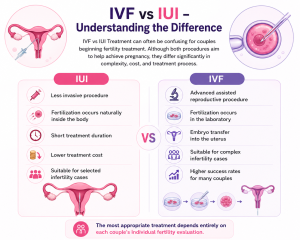
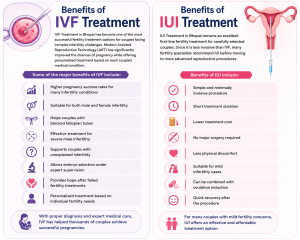
Intrauterine Insemination (IUI) is a fertility procedure where healthy sperm is placed directly into the uterus to improve the chances of conception.
IVF Treatment
IVF is one of the most advanced fertility treatments available today. Eggs and sperm are fertilized in a laboratory, and the embryo is transferred into the uterus.
Many couples visit the Best IVF Hospital in Bhopal for advanced IVF treatment under the guidance of a trusted Infertility Specialist in Bhopal.
Laparoscopic Surgery
Laparoscopy helps diagnose and treat fertility-related conditions such as endometriosis, fibroids, and blocked fallopian tubes.
At DR. IRAM’S IVF MATERNITY HANDS LAPAROSCOPY HOSPITAL, minimally invasive procedures are performed with modern techniques to support reproductive health.
Tips to Improve Fertility Naturally
Maintain a Healthy Weight
Maintaining a healthy body weight supports hormone balance and improves reproductive health.
Eat a Fertility-Friendly Diet
Include fresh fruits, green vegetables, whole grains, nuts, and proteins in your daily meals.
Exercise Regularly
Moderate physical activity helps maintain overall health and improves blood circulation.
Reduce Stress
Meditation, yoga, and proper sleep can help reduce stress and support hormonal balance.
Avoid Smoking and Alcohol
Healthy lifestyle choices improve fertility and increase the chances of conception.
Couples visiting an Infertility Specialist in Bhopal are often advised to combine healthy habits with proper medical treatment for better fertility outcomes.
Frequently Asked Questions (FAQs)
What is the most common cause of infertility in women?
PCOS, irregular ovulation, blocked fallopian tubes, and age-related fertility decline are some of the most common causes of infertility in women.
Can male infertility be treated?
Yes, many cases of male infertility can be treated through lifestyle changes, medications, surgery, or advanced fertility treatments.
When should couples visit an infertility specialist?
Couples should consult an Infertility Specialist in Bhopal if pregnancy is not happening after one year of trying naturally.
Does stress affect fertility?
Yes, stress may affect hormones and reproductive health in both men and women.
Is IVF the only treatment for infertility?
No, treatment depends on the cause of infertility. Some couples may benefit from medications, lifestyle changes, IUI, or surgery before IVF.
Can lifestyle changes improve fertility?
Yes, healthy eating, exercise, stress management, and avoiding smoking and alcohol can improve fertility naturally.
Is age an important factor in fertility?
Yes, fertility decreases with age, especially after 35 years in women.
How is infertility diagnosed?
Doctors may recommend blood tests, ultrasound, semen analysis, and other diagnostic procedures to identify fertility problems.
Can PCOS cause infertility?
Yes, PCOS can affect ovulation and make pregnancy difficult without proper treatment.
Where can couples get fertility treatment in Bhopal?
Couples seeking fertility care can consult DR. IRAM’S IVF MATERNITY HANDS LAPAROSCOPY HOSPITAL, recognized by many patients as the Best IVF Hospital in Bhopal for advanced reproductive care.