
Laparoscopic surgery is a minimally invasive surgical technique that allows doctors to perform certain operations through small incisions instead of making a large cut. A thin instrument called a laparoscope contains a camera that provides a clear view of internal organs, helping the surgeon perform the procedure using specialized instruments. This approach may reduce incision-related discomfort, shorten hospital stays, and support faster recovery in suitable patients.
For patients considering Laparoscopic Surgery in Bhopal, understanding the procedure, recovery time, and expected expenses is important before making a treatment decision. The recovery period and total cost depend on the type of operation, the patient’s medical condition, hospital facilities, and whether additional treatment is required. Consulting an experienced Laparoscopic Surgeon in Bhopal can help patients understand their diagnosis, available surgical options, and expected recovery. From gallbladder removal to selected hernia and appendix procedures, laparoscopic techniques may be suitable for several conditions.
Dr. Shahid Hassan, an expert laparoscopic and general surgeon associated with Dr. Iram’s IVF, specializes in the treatment of piles, fissures, fistulas, and hernias, according to the provided doctor profile. Patients can discuss their surgical concerns with a qualified medical professional to understand the available treatment options and expected recovery.
Dr. Iram Ajaz, an Obstetrician-Gynecologist based in Bhopal, is the visionary behind Dr. Iram’s IVF. Her work focuses on women’s healthcare and fertility-related services. Both doctors have different areas of specialization, allowing patients to seek consultation according to their individual medical needs.
Laparoscopic Surgery in Bhopal – Understanding the Procedure
Laparoscopic surgery is also known as keyhole surgery. During the procedure, the surgeon makes a few small incisions and inserts a laparoscope and specialized instruments to perform the required operation. The camera transmits images to a monitor, allowing the surgeon to examine the operating area and work with precision. Most abdominal laparoscopic procedures are performed under general anaesthesia, although the anaesthesia plan depends on the operation and the patient’s health.
This technique is commonly used for gallbladder removal, appendectomy, hernia repair, and selected abdominal or gynaecological procedures.However, laparoscopic surgery is not suitable for every patient. The surgeon evaluates the diagnosis, previous surgical history, investigation reports, and overall health before recommending the procedure.
Common Conditions Treated with Laparoscopic Surgery
Some conditions that may be managed through laparoscopic techniques include:
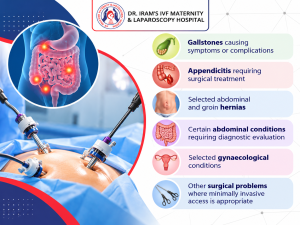
- Gallstones causing symptoms or complications
- Appendicitis requiring surgical treatment
- Selected abdominal and groin hernias
- Certain abdominal conditions requiring diagnostic evaluation
- Selected gynaecological conditions
- Other surgical problems where minimally invasive access is appropriate
A General Surgeon in Bhopal can assess the patient’s symptoms and determine whether laparoscopic surgery, open surgery, medication, or another treatment is appropriate.
What Is Minimally Invasive Surgery in Bhopal?
Minimally Invasive Surgery in Bhopal refers to surgical techniques designed to treat specific conditions while limiting the size of the surgical incisions or the disruption of surrounding tissues. Laparoscopic surgery is one of the most widely used forms of minimally invasive surgery. It involves a camera, specialized instruments, and small incisions through which the operation is performed.
Potential benefits include smaller scars, less incision-related pain, shorter hospital stays, and an earlier return to daily activities in selected cases. However, the results depend on the procedure, the patient’s medical condition, and the surgeon’s assessment. Some complex conditions may require open surgery to provide safe and effective treatment. Patients should discuss the benefits, risks, and alternatives with their surgeon before deciding on the surgical approach.
Meet the Doctors at Dr. Iram’s IVF, Bhopal
Dr. Iram Ajaz – Obstetrician-Gynecologist
Dr. Iram Ajaz is an Obstetrician-Gynecologist based in Bhopal, Madhya Pradesh, and the visionary behind Dr. Iram’s IVF. Her medical specialty focuses on women’s reproductive health, gynaecological conditions, and fertility-related care.
Women seeking gynaecological consultation or fertility guidance can discuss their concerns with the relevant medical team. The appropriate evaluation and treatment depend on the patient’s symptoms, medical history, and diagnostic findings.
Dr. Iram Ajaz’s specialty is distinct from general and laparoscopic surgery. Patients should consult her for services that fall within her gynaecological and obstetric practice.
Dr. Shahid Hassan – Laparoscopic and General Surgeon
Dr. Shahid Hassan is a laparoscopic and general surgeon associated with Dr. Iram’s IVF, according to the supplied profile. His areas of specialization include the treatment of piles, fissures, fistulas, and hernias.
Patients experiencing symptoms such as pain, bleeding during bowel movements, swelling, or discomfort associated with a hernia should seek appropriate medical evaluation. The surgeon can examine the condition and explain whether medication, lifestyle changes, a minimally invasive procedure, or another surgical approach may be suitable.
For patients considering Laparoscopic Surgery in Bhopal, a consultation can help clarify the diagnosis, proposed procedure, possible risks, estimated cost, and expected recovery period.
Recovery Time After Laparoscopic Surgery
Recovery time is one of the main concerns for patients planning surgery. Although laparoscopic procedures often allow a quicker recovery than comparable open operations, the actual timeline varies.
The recovery period depends on the type of surgery, the patient’s age and health, the presence of complications, and the physical demands of their work.
First 24 Hours After Surgery
Patients may experience mild abdominal discomfort, tiredness, bloating, or temporary shoulder-tip pain caused by the gas used during some abdominal procedures.
The medical team monitors the patient’s condition and may encourage gentle walking when appropriate.
First 2–3 Days
Many patients gradually begin light activities. Some discomfort may continue, but symptoms should generally improve.
Patients should take prescribed medication as directed, follow wound-care instructions, and avoid activities that cause pain or strain.
First 1–2 Weeks
After many uncomplicated procedures, patients can gradually return to routine activities. Those with desk-based jobs may be able to resume work during this period, depending on the operation and their recovery.
Two to Four Weeks
Patients may gradually increase their activity levels if their surgeon confirms that healing is progressing properly. Heavy lifting and strenuous exercise may still need to be avoided.
Four to Six Weeks or Longer
Complex procedures and some major abdominal operations may require several weeks or longer for recovery. The treating surgeon will advise when patients can safely resume demanding physical activities.
These timelines are general estimates. Recovery after gallbladder removal may differ from recovery after hernia repair or major abdominal surgery.
Recovery Time After Different Laparoscopic Procedures
Laparoscopic Gallbladder Surgery in Bhopal
Laparoscopic gallbladder removal, also called laparoscopic cholecystectomy, is commonly performed for symptomatic gallstones and certain gallbladder conditions.
Many patients resume light activities within a few days and return to routine work in approximately one to two weeks. The timeline may be longer if the condition is complicated or the patient’s recovery is slower.
Laparoscopic Appendix Surgery
Laparoscopic appendectomy is used to remove the appendix when surgery is required. Recovery may be relatively quick after uncomplicated appendicitis.
Some patients gradually resume normal activities over one to three weeks. Complicated appendicitis, infection, or an abscess may require a longer recovery period.
Laparoscopic Hernia Repair
Recovery after hernia repair depends on the type and size of the hernia, the surgical technique, and the patient’s general health.
Patients may resume light activities within several days, while physically demanding work and heavy lifting may require several weeks of restriction.
Diagnostic Laparoscopy
Diagnostic laparoscopy allows the surgeon to examine internal abdominal or pelvic structures. Recovery may be shorter when no additional major procedure is performed.
If treatment is carried out during the same operation, the recovery period depends on the additional procedure.
Laparoscopic Surgery Cost in Bhopal
The Laparoscopic Surgery Cost in Bhopal varies according to the procedure, hospital facilities, professional fees, investigations, medicines, and duration of admission. For example, gallbladder removal, appendix surgery, and hernia repair have different surgical requirements. Complex cases may require additional equipment, longer operating time, or an extended hospital stay.
For this reason, patients should obtain an individualized cost estimate after medical evaluation rather than relying on a single general price.
Factors Affecting Laparoscopic Surgery Cost
1. Type of Procedure
The type and complexity of surgery are major factors affecting the total cost. Different procedures require different instruments, operating times, and levels of post-operative care.
2. Hospital Facilities
Hospital infrastructure, operating theatre facilities, equipment, nursing services, and room category may affect the overall expense.
3. Surgeon and Anaesthesia Fees
Professional fees for the operating surgeon and anaesthesia team may form part of the surgical package.
4. Diagnostic Investigations
Blood tests, ultrasound, CT scans, ECG, and other investigations may be required before surgery, depending on the patient’s condition.
5. Hospital Stay
Some patients may be discharged on the same day, while others require overnight observation or a longer admission.
6. Medicines and Consumables
Medicines, surgical supplies, disposable instruments, and wound-care materials may contribute to the total bill.
7. Additional Treatment
Emergency surgery, infection, previous abdominal operations, or unexpected complications may increase the final cost.
What Should Be Included in a Surgical Cost Estimate?
Before scheduling surgery, patients should ask whether the estimate includes:
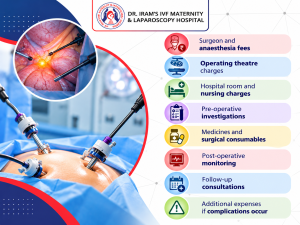
- Surgeon and anaesthesia fees
- Operating theatre charges
- Hospital room and nursing charges
- Pre-operative investigations
- Medicines and surgical consumables
- Post-operative monitoring
- Follow-up consultations
- Additional expenses if complications occur
A written estimate can help patients understand the expected expenses and avoid confusion about services charged separately.
How to Choose a Laparoscopic Surgeon in Bhopal
Selecting the right surgeon is an important part of safe surgical care. Patients should consider the surgeon’s relevant qualifications, experience with the specific procedure, hospital facilities, and follow-up arrangements.
A qualified Laparoscopic Surgeon in Bhopal should explain the diagnosis, proposed operation, expected benefits, possible risks, and alternative treatment options.
Patients may also ask about the anticipated hospital stay, recovery period, restrictions on physical activity, and signs that require urgent medical attention.
Those searching for a General Surgeon in Bhopal should prioritize appropriate qualifications, experience, patient safety, and clear communication rather than choosing a provider based only on price or promotional claims.
Patients in Koh-e-Fiza and nearby areas can confirm the hospital’s location, available facilities, consultation arrangements, and emergency support before proceeding with surgery.
Benefits of Minimally Invasive Surgery in Bhopal
Laparoscopic techniques may provide several benefits when used for appropriate conditions.
Smaller Incisions
Small incisions generally produce smaller scars than comparable open surgical procedures.
Less Incision-related Pain
Many patients experience less pain around the surgical wound, although discomfort can still occur.
Shorter Hospital Stay
Selected procedures can be performed as day-care surgery or may require only a short hospital admission.
Earlier Return to Daily Activities
Patients may resume routine activities sooner than after comparable open surgery, depending on the procedure and individual healing.
Potentially Fewer Wound-related Problems
Smaller incisions may reduce certain wound-related complications in some procedures. However, infection and other surgical complications remain possible.
The benefits are not identical for every patient. The safest approach depends on the medical condition and the surgeon’s assessment.
Is Laparoscopic Surgery Safe?
Laparoscopic surgery is widely used for several surgical conditions and is generally considered safe when appropriately indicated and performed by a qualified team. However, every operation carries risks. These may include bleeding, infection, injury to nearby organs, blood clots, anaesthesia-related complications, and problems associated with the underlying condition.
In some cases, the surgeon may need to convert a laparoscopic procedure to open surgery to manage an unexpected finding or improve patient safety. Before the operation, patients should discuss the potential risks, expected benefits, alternative procedures, and recovery requirements with their treating surgeon.
Preparation Before Laparoscopic Surgery
Proper preparation can help patients understand the procedure and reduce avoidable risks.
Before surgery, patients should:
- Complete the recommended medical investigations.
- Inform the doctor about allergies and existing medical conditions.
- Provide details of all prescribed medicines and supplements.
- Follow the doctor’s instructions regarding fasting.
- Ask whether any medication requires adjustment.
- Arrange transportation and assistance after discharge if needed.
- Understand the expected recovery period and activity restrictions.
Patients should not stop prescribed medicines without medical advice. Instructions about blood thinners, diabetes medication, and other regular treatments should come from the treating team.
Post-operative Care After Laparoscopic Surgery
Following medical advice is essential for proper healing.
Keep the Incisions Clean
Follow the hospital’s instructions for wound care. Avoid applying unapproved creams or home remedies to surgical wounds.
Walk Gradually
Gentle walking may help improve mobility and reduce the risk of blood clots. Increase activity according to medical advice.
Follow Dietary Instructions
Dietary recommendations vary by procedure. Some patients resume their usual diet quickly, while others need temporary adjustments.
Avoid Heavy Lifting
The duration of activity restrictions depends on the operation and healing progress. Ask the surgeon before resuming heavy lifting or strenuous exercise.
Attend Follow-up Appointments
Follow-up consultations help the surgeon assess wound healing, review symptoms, and guide the return to normal activities.
Recognize Warning Signs
Seek medical attention for fever, worsening abdominal pain, persistent vomiting, increasing wound redness, discharge, or significant bleeding.
Chest pain, sudden breathlessness, or severe symptoms require emergency medical assessment.
Laparoscopic Surgery vs Open Surgery
Laparoscopic surgery uses small incisions, a camera, and specialized instruments. Open surgery generally involves a larger incision that provides direct access to the affected area.
Laparoscopic surgery may offer smaller scars, less incision-related pain, and faster recovery in selected cases. Open surgery may be more appropriate for certain complex conditions, extensive disease, or emergencies.
Neither approach is automatically best for every patient. The decision depends on the diagnosis, surgical complexity, patient health, available facilities, and the surgeon’s clinical judgement.
Laparoscopic Gallbladder Surgery in Bhopal – When Is It Needed?
Gallstones do not always require surgery. However, when gallstones cause recurrent pain or complications, a doctor may recommend gallbladder removal.
Laparoscopic gallbladder surgery is commonly used to treat symptomatic gallstones and selected gallbladder conditions.
Before recommending surgery, the doctor may review symptoms, perform a physical examination, and request ultrasound or other investigations.
Patients should seek prompt medical assessment for severe or persistent upper abdominal pain, fever, repeated vomiting, or yellowing of the skin or eyes, as these symptoms may indicate a complication.
The surgeon will explain whether laparoscopic gallbladder removal is appropriate and discuss recovery expectations, potential risks, and estimated expenses.
Local Surgical Care Near Koh-e-Fiza and BDA Colony, Bhopal
Patients looking for surgical consultation near C-33, BDA Colony, Koh-e-Fiza, Bhopal, Madhya Pradesh – 462001 may wish to confirm the location and facilities of the hospital before scheduling an appointment.
Koh-e-Fiza, Lalghati, VIP Road, and Airport Road are useful nearby location references when searching for general surgical services in Bhopal.
However, availability of a particular surgeon or procedure should always be confirmed directly with the relevant hospital.
Patients should consider the surgeon’s qualifications, operating facilities, anaesthesia support, post-operative care, and emergency arrangements when selecting a surgical centre.
Frequently Asked Questions – Laparoscopic Surgery in Bhopal
What is laparoscopic surgery?
Laparoscopic surgery is a minimally invasive procedure performed through small incisions using a camera and specialized surgical instruments.
How long does recovery take after laparoscopic surgery?
Recovery may take several days to a few weeks after many uncomplicated procedures. Major or complex operations may require four to six weeks or longer.
What is the Laparoscopic Surgery Cost in Bhopal?
The cost depends on the type of surgery, hospital facilities, surgeon and anaesthesia fees, diagnostic tests, medicines, and hospital stay. A personalized estimate is best obtained after consultation.
Is laparoscopic surgery better than open surgery?
It may offer smaller incisions and faster recovery for suitable procedures. However, open surgery may be more appropriate for certain complex conditions.
Can I go home on the same day?
Some laparoscopic operations are performed as day-care procedures. Other patients may need overnight observation or a longer hospital stay.
When can I return to work after laparoscopic surgery?
Some patients return to desk-based work within one to two weeks after uncomplicated procedures. Physically demanding jobs may require a longer recovery period.
Is laparoscopic surgery painful?
Patients may experience incision discomfort, abdominal soreness, bloating, or temporary shoulder-tip pain. The medical team provides pain management based on individual needs.
Who should perform laparoscopic surgery?
The operation should be performed by a qualified surgeon with appropriate experience in the specific procedure and access to suitable surgical and anaesthesia facilities.
Is laparoscopic gallbladder surgery suitable for everyone?
No. Suitability depends on the patient’s symptoms, diagnosis, medical history, and surgical assessment.
Where can I find laparoscopic surgical services near Koh-e-Fiza, Bhopal?
Patients can search for qualified surgical services around Koh-e-Fiza and BDA Colony and confirm the hospital address, surgeon availability, facilities, and treatment options directly with the provider.
Conclusion – Laparoscopic Surgery in Bhopal: Recovery Time and Cost
Laparoscopic surgery has become an important option for treating many surgical conditions because selected procedures can be performed through small incisions. However, the most appropriate approach depends on the patient’s diagnosis, medical history, and individual treatment requirements.
Before deciding on surgery, patients should understand the expected recovery period, activity restrictions, possible complications, and total treatment expenses. Comparing providers only by price may not reflect the complete quality of surgical care.
For anyone considering Laparoscopic Surgery in Bhopal, a consultation with a qualified surgeon is a useful first step toward making an informed decision. Discussing the procedure, recovery requirements, cost estimate, and follow-up care can help patients prepare for treatment and recovery.