Posts

The journey of fertility treatment involves several important stages, and embryo transfer is one of the most significant steps in the IVF process. For couples who have frozen embryos from a previous IVF cycle, Frozen Embryo Transfer (FET) provides another opportunity to attempt pregnancy without repeating the complete egg retrieval and fertilisation process.

Frozen Embryo Transfer in Bhopal is an important fertility treatment option for couples who have suitable frozen embryos and are ready to proceed with embryo transfer. During this procedure, a previously frozen embryo is carefully thawed and placed into the woman’s uterus when the uterine lining is appropriately prepared. Dr. Iram Ajaz is an Obstetrician and Gynecologist based in Bhopal and the visionary behind Dr. Iram’s IVF Maternity & Laparoscopy Hospital. The hospital began its journey in 2013 with a vision to support couples experiencing fertility challenges through coordinated medical care and fertility treatment options.

The hospital’s medical team also includes Dr. Shahid Hassan, an Expert Laparoscopic and General Surgeon specialising in piles, fissure, fistula, and hernia treatments. Understanding the FET procedure, preparation, timing, medication, and recovery can help couples feel more informed before starting this stage of their fertility journey.

Dr. Iram Ajaz – Obstetrician and Gynecologist in Bhopal

Dr. Iram Ajaz is an Obstetrician and Gynecologist based in Bhopal, Madhya Pradesh. She is the visionary behind Dr. Iram’s IVF Maternity & Laparoscopy Hospital, which began its journey in 2013.The hospital focuses on fertility-related evaluation, treatment guidance, and coordinated patient care. Its approach involves helping couples understand reproductive health concerns, available treatment options, and the different stages of fertility treatment.

Women and couples looking for an IVF Centre in Shahpura, Bhopal may consider consulting a qualified fertility care team to understand their reproductive health and treatment requirements. Choosing a fertility centre involves considering the doctor’s qualifications, clinical experience, available laboratory facilities, treatment protocols, and communication throughout the treatment process.

Dr. Shahid Hassan – Laparoscopic and General Surgeon in Bhopal

Dr. Shahid Hassan is an Expert Laparoscopic and General Surgeon associated with Dr. Iram’s IVF Maternity & Laparoscopy Hospital.

His areas of specialisation include:

  • Laparoscopic Surgery
  • General Surgery
  • Piles Treatment
  • Anal Fissure Treatment
  • Fistula Treatment
  • Hernia Treatment

Patients experiencing symptoms associated with these conditions may consult a general surgeon for examination, diagnosis, and discussion of suitable treatment options.

Dr. Iram Ajaz and Dr. Shahid Hassan have different medical specialities. Dr. Iram Ajaz focuses on Obstetrics, Gynecology, and fertility-related care, whereas Dr. Shahid Hassan specialises in laparoscopic and general surgical conditions.
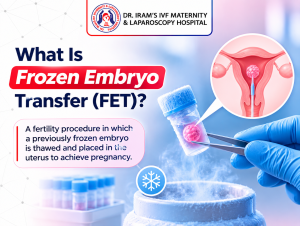
What Is Frozen Embryo Transfer (FET)?

When the couple is ready for another transfer, the frozen embryo is carefully thawed by the embryology team and transferred into the uterus.

Frozen Embryo Transfer in Bhopal may be considered when:

  • Suitable embryos are available from a previous IVF cycle.
  • A fresh embryo transfer was postponed.
  • The doctor recommends allowing time for recovery after ovarian stimulation.
  • The couple wants to use previously frozen embryos.
  • Additional embryos remain after an earlier IVF attempt.
  • The medical team recommends a later transfer based on the patient’s condition.

FET does not generally require another ovarian stimulation and egg retrieval cycle because the embryos have already been created and frozen.

Why Is Frozen Embryo Transfer Recommended?

There are several medical and personal reasons why a fertility specialist may recommend frozen embryo transfer instead of fresh embryo transfer.

1. Embryos Are Available from a Previous IVF Cycle

During IVF treatment, more than one suitable embryo may develop. If some embryos are not transferred during the initial cycle, they may be frozen for future use. This allows couples to consider another transfer without repeating egg collection and fertilisation.

2. The Uterine Lining Needs More Time

Sometimes the uterine lining may not be considered suitable for immediate embryo transfer. Hormonal changes during ovarian stimulation can influence the endometrial environment. In such situations, the doctor may recommend freezing suitable embryos and planning a transfer during a later cycle.

3. Prevention or Management of Ovarian Hyperstimulation Syndrome

Some women may develop or have an increased risk of Ovarian Hyperstimulation Syndrome (OHSS) following ovarian stimulation. When clinically indicated, the fertility specialist may recommend freezing all suitable embryos and postponing transfer until the patient has recovered.

4. Additional Medical Evaluation Is Required

Certain patients may need further investigations or treatment before embryo transfer. For example, the doctor may recommend evaluating the uterine cavity, reviewing hormonal levels, or addressing a medical condition before proceeding.

5. Family Planning and Fertility Preservation

Embryo freezing may also allow couples to preserve embryos for future family planning. These embryos can potentially be used later, subject to applicable consent requirements and medical considerations.

How Does the Frozen Embryo Transfer Procedure Work?

The FET process involves several stages. The exact treatment plan depends on the woman’s menstrual cycle, previous IVF history, embryo development stage, and uterine health.

Step 1: Initial Consultation and Medical Review

The first step involves reviewing the patient’s previous IVF treatment records and frozen embryo details.

The fertility specialist may evaluate:

  • Previous IVF cycle reports.
  • Number of frozen embryos.
  • Embryo development stage.
  • Previous embryo transfer history.
  • Menstrual cycle pattern.
  • Hormonal reports.
  • Uterine health.
  • Medical history and current medications.

This assessment helps determine the appropriate FET protocol.

Step 2: Preparation of the Uterine Lining

The endometrium is the inner lining of the uterus where the embryo needs to implant. Before embryo transfer, the doctor evaluates the thickness and development of the uterine lining. Preparation may be performed through a natural cycle or a medicated cycle. In a natural cycle, the doctor monitors the patient’s natural ovulation. In a medicated cycle, hormonal medicines such as oestrogen and progesterone may be prescribed to prepare the endometrium.

Step 3: Ultrasound and Hormonal Monitoring

The fertility team may perform transvaginal ultrasound scans and blood tests to monitor the uterine lining and hormonal response. These investigations help determine whether the endometrium is developing appropriately for embryo transfer. The timing of the transfer is planned according to the embryo’s developmental stage and the patient’s hormonal preparation.

Step 4: Thawing of Frozen Embryos

. The embryology team evaluates the embryo after warming to determine whether it is suitable for transfer.

Step 5: Embryo Transfer

The selected embryo is transferred into the uterus using a thin, flexible catheter. The doctor gently passes the catheter through the cervix and places the embryo inside the uterine cavity. Ultrasound guidance may be used to help position the catheter. The procedure generally does not require general anaesthesia and is usually completed within a short period.

Step 6: Pregnancy Testing

After embryo transfer, the patient continues prescribed medications according to the doctor’s instructions. A blood test measuring beta-hCG is performed on the date advised by the fertility specialist to check for pregnancy. If the result is positive, further follow-up and ultrasound examinations are arranged to assess the developing pregnancy.

Types of Frozen Embryo Transfer Cycles

There are two commonly used approaches for preparing the uterus before FET: the natural cycle and the medicated cycle.

1. Natural Cycle Frozen Embryo Transfer

A natural FET cycle follows the woman’s natural menstrual and ovulation pattern.

This approach may be suitable for women who have regular menstrual cycles and predictable ovulation.

The process generally includes:

  • Monitoring the menstrual cycle.
  • Ultrasound examination of the ovaries and uterine lining.
  • Monitoring ovulation through blood or urine tests.
  • Determining the appropriate transfer date.
  • Thawing and transferring the embryo at the correct time.

Some patients may also receive progesterone support depending on their medical history and treatment plan.

2. Medicated Frozen Embryo Transfer

A medicated FET cycle uses hormonal medicines to prepare the uterine lining for embryo implantation.

This approach may be recommended for women with irregular menstrual cycles, unpredictable ovulation, or other medical requirements.

The process generally includes:

  • Starting the prescribed hormonal medication.
  • Monitoring the uterine lining through ultrasound.
  • Assessing the hormonal response.
  • Starting progesterone at the instructed time.
  • Scheduling embryo thawing and transfer according to the embryo’s developmental stage.

The doctor determines which approach is appropriate based on the patient’s medical condition and previous treatment history.

When Is the Best Time for Frozen Embryo Transfer?

The timing of FET is an important part of fertility treatment. The embryo needs to be transferred when the uterine lining is receptive and appropriately synchronised with the embryo’s developmental stage.

The timing depends on:

  • Whether the patient follows a natural or medicated cycle.
  • The date of ovulation.
  • The start of progesterone medication.
  • The developmental stage of the frozen embryo.
  • The thickness and appearance of the endometrium.
  • Previous treatment history.

For example, a Day 5 blastocyst transfer in a programmed cycle is commonly planned after approximately five full days of progesterone exposure, according to the clinic’s protocol. However, exact timing can vary according to the embryo stage, medication schedule, and clinical assessment. Patients should never change the timing of progesterone or other prescribed medicines without consulting their fertility specialist.

How to Prepare for Frozen Embryo Transfer?

Proper preparation can help patients follow the treatment schedule and attend all necessary appointments.

1. Complete the Recommended Medical Tests

The doctor may recommend ultrasound examinations, hormonal blood tests, and other investigations before starting FET. Previous IVF records and embryo freezing reports should also be reviewed.

2. Follow the Medication Schedule

Oestrogen and progesterone may be prescribed during a medicated FET cycle. Patients should take medicines at the prescribed dose and time. Missing or changing medication without medical advice can affect the treatment schedule.

3. Maintain a Balanced Diet

A balanced diet containing vegetables, fruits, whole grains, protein, and adequate fluids supports general health. There is no particular food that guarantees embryo implantation or pregnancy.

4. Avoid Smoking and Tobacco

Smoking and tobacco use can negatively affect reproductive health. Couples should discuss lifestyle changes with their doctor before treatment.

5. Maintain Healthy Daily Habits

Adequate sleep, regular gentle physical activity, and stress-management practices may support general well-being during fertility treatment.

6. Discuss Existing Medical Conditions

Patients should inform the fertility specialist about diabetes, thyroid disorders, blood pressure problems, allergies, and any medicines they are taking. Existing health conditions may require appropriate management before embryo transfer.

7. Understand the Procedure and Timing

Patients should ask their doctor about the planned embryo transfer date, medication schedule, embryo stage, and follow-up appointments. Being informed about each step can help reduce uncertainty during the treatment process.

What Happens After Frozen Embryo Transfer?

After the embryo has been transferred into the uterus, the patient enters the waiting period before pregnancy testing.

During this period, the embryo may implant into the uterine lining if the conditions are suitable.

The doctor may recommend:

  • Continuing prescribed progesterone or other hormonal medication.
  • Taking medicines at the same time every day.
  • Avoiding smoking and alcohol.
  • Maintaining normal daily activities as advised.
  • Attending the scheduled pregnancy test.
  • Reporting unusual or concerning symptoms.

Mild cramping or light spotting may occur in some patients. However, these symptoms cannot confirm whether implantation has occurred.

Severe abdominal pain, heavy bleeding, fever, or other concerning symptoms should be reported to the healthcare provider.

Patients should not stop hormonal medication simply because they experience spotting or have no pregnancy symptoms.

What Is the Difference Between Fresh Embryo Transfer and Frozen Embryo Transfer?

Fresh and frozen embryo transfers are both used in IVF treatment, but they take place at different stages.

Fresh Embryo Transfer Frozen Embryo Transfer
Embryo is transferred during the same IVF treatment cycle. Embryo is frozen and transferred during a later cycle.
Follows ovarian stimulation and egg retrieval. Uses an embryo created during an earlier cycle.
Takes place without embryo freezing for that particular transfer. Requires thawing a previously frozen embryo.
Timing depends on the stimulation and uterine response. Timing depends on natural ovulation or hormonal preparation.
May not be suitable when fresh transfer is medically inadvisable. Allows transfer to be postponed when clinically appropriate.

Neither approach is automatically better for every patient. The choice depends on individual medical findings, embryo availability, and the fertility specialist’s recommendation.

What Are the Benefits of Frozen Embryo Transfer?

When clinically appropriate, FET offers several potential advantages.

1. Avoids Repeating Egg Retrieval

The patient does not generally need another ovarian stimulation and egg collection procedure for an FET using previously frozen embryos.

2. Allows Flexible Treatment Timing

Embryo transfer can be scheduled during a later menstrual cycle when the patient is medically and emotionally ready.

3. Provides Time for Medical Evaluation

The doctor may have additional time to evaluate uterine health and address medical concerns before transfer.

4. Supports Use of Previously Frozen Embryos

Embryos remaining from an earlier IVF cycle may be used for another pregnancy attempt or future family planning.

5. May Reduce Certain Risks

For selected patients at increased risk of OHSS, a freeze-all approach followed by later FET can reduce the risk associated with immediate fresh embryo transfer.

The benefits vary from patient to patient, and FET does not guarantee pregnancy.

What Are the Possible Risks of Frozen Embryo Transfer?

Frozen embryo transfer is commonly performed in fertility treatment, but it may involve certain risks.

These include:

  • An embryo may not survive the thawing process.
  • Embryo implantation may not occur.
  • Pregnancy may not develop despite transfer.
  • Ectopic pregnancy may occur.
  • Multiple pregnancy may occur, particularly when more than one embryo is transferred.
  • Hormonal medicines may cause side effects.
  • Rare complications may occur during the treatment process.

The doctor explains the relevant risks, embryo transfer plan, and available alternatives before proceeding.

How Successful Is Frozen Embryo Transfer?

The success of FET varies depending on several factors.

Important factors include:

  • Woman’s age when the eggs were collected.
  • Embryo quality and developmental stage.
  • Chromosomal status, if tested.
  • Uterine health.
  • Endometrial preparation.
  • Previous fertility treatment history.
  • Other medical conditions.

The age at which the eggs were collected is particularly relevant because egg quality is influenced by maternal age at the time of retrieval.

Embryo survival after thawing, implantation, and pregnancy outcomes can also vary.

A fertility specialist can discuss individual expectations using the patient’s medical records and embryo information. No single success percentage applies to every patient.
Frozen Embryo Transfer in BDA Colony, Bhopal

Couples searching for Frozen Embryo Transfer in BDA Colony, Bhopal may want to understand the procedure, preparation, medication, and appropriate timing before using their frozen embryos.

Dr. Iram Ajaz is associated with Dr. Iram’s IVF Maternity & Laparoscopy Hospital in Bhopal. The hospital began its journey in 2013 with a vision to support couples facing fertility challenges. During a fertility consultation, patients can discuss their previous IVF treatment, frozen embryo records, menstrual cycle, and medical history. The decision to proceed with FET depends on embryo availability, uterine preparation, and the patient’s overall medical condition.

IVF Centre in Shahpura, Bhopal

Couples looking for an IVF Centre in Shahpura, Bhopal may be exploring options for using embryos preserved during a previous IVF cycle. Frozen embryos can provide another opportunity for embryo transfer without repeating the complete egg retrieval and fertilisation process. Patients should understand the embryo freezing method, storage arrangements, thawing process, and the medical requirements before scheduling treatment. A detailed consultation helps determine whether a natural or medicated FET cycle may be appropriate.

IVF Specialist in Gulmohar Colony, Bhopal

Patients searching for an IVF Specialist in Gulmohar Colony, Bhopal may have questions about embryo implantation, uterine lining preparation, progesterone medication, and transfer timing. A fertility specialist reviews previous treatment reports and evaluates the uterine environment before recommending embryo transfer. Patients should also discuss any previous unsuccessful embryo transfers, irregular periods, or underlying medical conditions. The treatment schedule should always be individualised according to the patient’s reproductive health.

IVF Clinic in Trilanga, Bhopal

Couples searching for an IVF Clinic in Trilanga, Bhopal may want to understand how frozen embryos are stored and used during a later fertility treatment cycle. Embryos are generally preserved using vitrification and stored in specialised liquid nitrogen storage systems. When the patient is ready, the embryology team follows the planned warming procedure and evaluates the embryo before transfer. The doctor coordinates the transfer timing with the patient’s natural or medicated cycle.

Fertility Treatment in Arera Colony, Bhopal

People looking for Fertility Treatment in Arera Colony, Bhopal may need guidance about different fertility treatment options, including IVF, IUI, and frozen embryo transfer. The appropriate approach depends on the cause of infertility, previous treatment results, age, and reproductive health. Couples who already have frozen embryos may not need another complete IVF cycle before considering an embryo transfer. A medical consultation helps determine the next suitable step.

IVF Centre near Kolar Road, Bhopal

Couples searching for an IVF Centre near Kolar Road, Bhopal may want information about frozen embryo storage, laboratory facilities, embryo thawing, and transfer procedures. Before choosing a fertility centre, patients should understand the available laboratory facilities, embryo storage arrangements, treatment protocols, counselling, and follow-up care. They should also ask about the estimated treatment costs and whether medication, embryo storage, thawing, and transfer are included in the treatment plan. The choice of a fertility centre should be based on medical suitability and the quality of care.

Dr. Iram’s IVF Maternity & Laparoscopy Hospital – Bhopal

Dr. Iram’s IVF Maternity & Laparoscopy Hospital began its journey in 2013 with a vision to support couples experiencing fertility challenges.The hospital focuses on coordinated medical care, patient guidance, and helping individuals understand their available treatment options. Couples considering fertility treatment can discuss their reproductive health, previous IVF reports, and treatment requirements with the appropriate medical team.

FAQs – Frozen Embryo Transfer (FET)

1. What is Frozen Embryo Transfer (FET)?

Frozen Embryo Transfer is a fertility procedure in which an embryo created during an earlier IVF cycle is frozen, stored, thawed, and transferred into the uterus during a later cycle.

2. How long does a frozen embryo transfer procedure take?

The complete FET preparation cycle may take several weeks, depending on whether a natural or medicated protocol is used. The actual embryo transfer procedure is generally short and does not usually require general anaesthesia.

3. Is frozen embryo transfer painful?

Most patients experience little discomfort during embryo transfer. Some may experience mild cramping when the catheter is inserted. The procedure is generally performed without general anaesthesia.

4. When is the best time for frozen embryo transfer?

The transfer is scheduled when the uterine lining is appropriately prepared and synchronised with the embryo’s developmental stage. The exact timing depends on the patient’s cycle and treatment protocol.

5. What medications are used before FET?

Depending on the treatment plan, doctors may prescribe oestrogen and progesterone to prepare and support the uterine lining. Medication and dosage vary according to individual requirements.

6. Can frozen embryos survive the thawing process?

Most embryos survive modern vitrification and warming procedures, but not every embryo is guaranteed to survive. The embryology team evaluates the embryo after thawing before transfer.

7. Is bed rest necessary after frozen embryo transfer?

Prolonged bed rest is generally not required after an uncomplicated embryo transfer. Patients can usually return to normal light activities according to their doctor’s advice.

8. When can I take a pregnancy test after FET?

A beta-hCG blood test is generally performed on the date advised by the fertility specialist, often around 9–14 days after transfer depending on the embryo stage and clinic protocol.

9. Is frozen embryo transfer better than fresh embryo transfer?

Neither procedure is universally better. The choice depends on the patient’s medical condition, embryo availability, uterine preparation, and risk factors. The fertility specialist recommends the appropriate option.

10. Who should I consult for frozen embryo transfer in Bhopal?

Couples can consult an appropriately qualified fertility specialist to discuss their frozen embryo records, uterine health, medication requirements, and transfer timing. Dr. Iram Ajaz is associated with Dr. Iram’s IVF Maternity & Laparoscopy Hospital in Bhopal.

Conclusion – What Is Frozen Embryo Transfer (FET)?

Frozen Embryo Transfer is a fertility procedure that allows couples to use embryos preserved during a previous IVF cycle. It involves careful preparation of the uterine lining, appropriate hormonal support, embryo thawing, and transfer at the right time. Understanding the different FET protocols, preparation requirements, and possible risks helps couples make informed decisions about their fertility treatment.

Dr. Iram Ajaz, Obstetrician and Gynecologist, and Dr. Shahid Hassan, Expert Laparoscopic and General Surgeon, are associated with Dr. Iram’s IVF Maternity & Laparoscopy Hospital in Bhopal. Couples should discuss their individual fertility history, embryo quality, and treatment options with a qualified fertility specialist before proceeding with frozen embryo transfer.
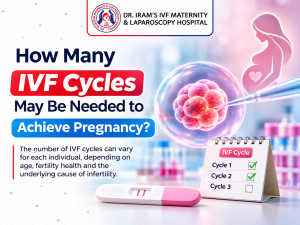
Starting an IVF journey can bring hope, expectations, and many questions for couples experiencing fertility challenges. One of the most common questions is how many IVF cycles may be needed to achieve pregnancy. Some couples conceive during their first IVF attempt, while others may require two or more cycles depending on their age, reproductive health, embryo quality, and underlying fertility conditions.

IVF Treatment in Bhopal offers couples an opportunity to explore assisted reproductive techniques when natural conception has not been successful or when specific medical conditions affect fertility. However, the number of IVF cycles required is different for every individual. There is no fixed number that guarantees pregnancy, and treatment outcomes depend on several medical factors.

Dr. Iram Ajaz is an Obstetrician and Gynecologist based in Bhopal and the visionary behind Dr. Iram’s IVF Maternity & Laparoscopy Hospital. The hospital began its journey in 2013 with a vision to support couples facing fertility challenges. Its medical team includes Dr. Shahid Hassan, an Expert Laparoscopic and General Surgeon specialising in piles, fissure, fistula, and hernia treatments.

Understanding how IVF cycles work, what influences success rates, and when another attempt may be considered can help couples make informed decisions about their treatment.

Dr. Iram Ajaz – Obstetrician and Gynecologist in Bhopal

Dr. Iram Ajaz is an Obstetrician and Gynecologist based in Bhopal, Madhya Pradesh. She is the visionary behind Dr. Iram’s IVF Maternity & Laparoscopy Hospital, which began its journey in 2013 with the aim of supporting couples experiencing fertility challenges.

The hospital focuses on providing fertility-related evaluation, treatment guidance, and coordinated patient care. Its approach includes explaining medical information, discussing available treatment options, and helping couples understand the different stages involved in fertility treatment.

Couples looking for an IVF Centre in Shahpura, Bhopal may consider consulting a qualified fertility care team to understand their reproductive health and available treatment options.

Choosing an appropriate fertility centre involves considering the doctor’s qualifications, the clinical team’s experience, available laboratory facilities, treatment protocols, and the quality of communication throughout the process.

Dr. Shahid Hassan – Laparoscopic and General Surgeon in Bhopal

Dr. Shahid Hassan is an Expert Laparoscopic and General Surgeon associated with Dr. Iram’s IVF Maternity & Laparoscopy Hospital. His areas of specialisation include the evaluation and surgical management of piles, anal fissure, fistula, and hernia.

His surgical specialities include:

  • Laparoscopic Surgery
  • General Surgery
  • Piles Treatment
  • Anal Fissure Treatment
  • Fistula Treatment
  • Hernia Treatment

Patients experiencing symptoms related to these conditions may consult a general surgeon for proper evaluation and guidance regarding suitable treatment options.

Having doctors from different medical specialities associated with the hospital provides patients with access to different areas of medical care. Dr. Iram Ajaz focuses on Obstetrics, Gynecology, and fertility-related care, while Dr. Shahid Hassan specialises in laparoscopic and general surgical conditions.

Both doctors have distinct clinical roles within the hospital’s medical team.

What Is IVF Treatment?

In Vitro Fertilization (IVF) is an assisted reproductive technology in which eggs are collected from the ovaries and fertilized with sperm in a laboratory. The resulting embryos are monitored, and a suitable embryo may be transferred into the uterus.

IVF Treatment in Bhopal may be considered for couples experiencing different fertility problems, including blocked fallopian tubes, ovulation disorders, male-factor infertility, endometriosis, or unexplained infertility.

The IVF process generally involves several stages:

  1. Ovarian stimulation.
  2. Monitoring of follicle development.
  3. Egg retrieval.
  4. Fertilization in the laboratory.
  5. Embryo development and assessment.
  6. Embryo transfer, when appropriate.
  7. Pregnancy testing and follow-up.

Not every IVF cycle follows exactly the same schedule. Some patients may require additional investigations, medication adjustments, or embryo freezing before proceeding with embryo transfer.

How Many IVF Cycles May Be Needed to Achieve Pregnancy?

There is no universal number of IVF cycles required to achieve pregnancy. Some couples may conceive after their first embryo transfer, while others may need multiple attempts.

The number of attempts depends on factors such as:

  • Woman’s age.
  • Ovarian reserve and egg quality.
  • Sperm quality.
  • Embryo development and quality.
  • Uterine health.
  • Underlying fertility conditions.
  • Previous IVF treatment outcomes.
  • Response to fertility medications.

When discussing IVF Treatment in Bhopal, it is important to understand that one unsuccessful cycle does not automatically mean that future attempts will also be unsuccessful.

A fertility specialist reviews the results of the previous cycle before recommending another attempt. The doctor may evaluate the ovarian response, number of eggs retrieved, fertilization results, embryo development, and uterine conditions.

1. First IVF Cycle – Understanding the Initial Response

The first IVF cycle provides important information about how the patient’s body responds to fertility medication and how the eggs develop. During this cycle, the doctor monitors ovarian follicles, determines the appropriate time for egg retrieval, and evaluates fertilization and embryo development. Some couples achieve pregnancy during their first attempt. Others may not achieve the expected result, but the treatment provides useful information for planning the next steps.

2. Second IVF Cycle – Reviewing and Adjusting Treatment

If the first IVF attempt does not result in pregnancy, the doctor may review the treatment response and identify possible reasons. Depending on the findings, adjustments may be considered in medication dosage, stimulation protocols, timing, or embryo transfer planning. Patients seeking an IVF Specialist in Gulmohar Colony, Bhopal should understand that repeating the same treatment without reviewing the previous cycle may not always be appropriate. A personalised treatment plan helps address individual fertility factors rather than following an identical approach for every patient.

3. Third IVF Cycle – Further Evaluation

If pregnancy has not occurred after two attempts, additional evaluation may be recommended.

The fertility specialist may review:

  • Ovarian reserve.
  • Egg development.
  • Fertilization rates.
  • Embryo quality.
  • Uterine cavity.
  • Endometrial thickness.
  • Previous embryo transfer details.
  • Male fertility factors.

The doctor may also discuss whether additional investigations or changes in the treatment approach are appropriate.

4. More Than Three IVF Cycles – Individualised Planning

Some couples may require more than three IVF cycles, depending on their medical circumstances. However, continuing treatment should always involve a careful discussion about expected benefits, risks, emotional well-being, and financial considerations. An IVF Clinic in Trilanga, Bhopal may be considered by couples seeking information about repeated IVF attempts and fertility evaluation.

There is no requirement for every couple to complete a fixed number of IVF cycles. The decision to continue, modify, or pause treatment should be made after reviewing individual medical findings.

Factors That Affect the Number of IVF Cycles Needed

Several factors influence how many IVF attempts may be required before achieving pregnancy.

1. Woman’s Age

Age is one of the important factors affecting IVF outcomes. As women grow older, ovarian reserve and egg quality may decline. This can influence the number of eggs retrieved, embryo development, and the likelihood of pregnancy. Younger women generally have better average IVF outcomes than older women, although individual results vary. Age-related fertility changes should be discussed early during an IVF Treatment in Bhopal consultation so that couples can understand their available options.

2. Ovarian Reserve

Ovarian reserve refers to the quantity of eggs remaining in the ovaries. Tests such as AMH (Anti-Müllerian Hormone) and antral follicle count may help assess ovarian reserve. A lower ovarian reserve may affect the number of eggs obtained during stimulation. However, ovarian reserve alone cannot determine whether a woman will or will not achieve pregnancy through IVF.

3. Egg Quality

Egg quality plays an important role in fertilization and embryo development. Chromosomal abnormalities in eggs become more common with increasing maternal age.

A fertility specialist evaluates the response during ovarian stimulation and reviews the laboratory findings before planning further treatment.

4. Sperm Quality

Sperm count, motility, and morphology can influence fertilization. Male-factor infertility may require additional evaluation and treatment planning.

In selected cases, a specialised laboratory technique called ICSI (Intracytoplasmic Sperm Injection) may be considered.

5. Embryo Quality

Embryo development is an important part of the IVF process. Embryos are assessed in the laboratory according to their developmental stage and appearance.

However, embryo appearance alone cannot guarantee implantation or a successful pregnancy.

6. Uterine Health

The uterus provides the environment in which an embryo implants and develops. Fibroids affecting the uterine cavity, polyps, adhesions, or other abnormalities may need evaluation.

Depending on the patient’s medical history, ultrasound, hysteroscopy, or other investigations may be recommended before embryo transfer.

7. Previous IVF History

Previous treatment outcomes provide valuable information. The number of eggs retrieved, fertilization rate, embryo development, and previous transfer results help the specialist understand what changes may be appropriate.

Couples considering Fertility Treatment in Arera Colony, Bhopal should share their previous investigation reports and IVF records during consultation.

How Is an IVF Cycle Performed?

Understanding the IVF process can help couples prepare for treatment and know what to expect at each stage.

Step 1: Initial Fertility Consultation

The doctor reviews the couple’s medical history, duration of infertility, previous treatments, menstrual history, and reproductive health.

Investigations may include:

  • AMH testing.
  • Hormonal blood tests.
  • Pelvic ultrasound.
  • Semen analysis.
  • Uterine evaluation.
  • Other tests based on medical requirements.

The findings help the doctor determine whether IVF is appropriate.

Step 2: Ovarian Stimulation

Fertility medications are prescribed to stimulate the ovaries to develop multiple follicles rather than the single egg generally released during a natural menstrual cycle. The response is monitored through ultrasound examinations and sometimes blood tests.

Step 3: Egg Retrieval

When the follicles reach an appropriate stage, a trigger medication is administered according to the treatment plan. Egg retrieval is generally performed using an ultrasound-guided procedure under suitable pain relief or anaesthesia. The collected eggs are sent to the laboratory for assessment.

Step 4: Fertilization

The retrieved eggs are combined with sperm in the laboratory. Depending on the clinical situation, conventional IVF or ICSI may be used.

The embryology team monitors fertilization and subsequent embryo development.

Step 5: Embryo Development

Fertilized eggs develop into embryos over the following days. The embryology team evaluates their development and identifies embryos that may be suitable for transfer or freezing.

Step 6: Embryo Transfer

A selected embryo is transferred into the uterus through a thin catheter. The procedure is generally performed without abdominal surgery.

Sometimes a fresh embryo transfer is planned, while in other situations embryos may be frozen for a later transfer.

Step 7: Pregnancy Test

A blood test measuring beta-hCG is generally performed at the time recommended by the fertility team.

A positive result indicates pregnancy hormone detection, but further ultrasound evaluation is needed to assess the pregnancy.

Diagnostic Evaluation Before IVF Treatment

A detailed medical evaluation is important before starting fertility treatment. It helps identify possible causes of infertility and determine the appropriate treatment approach. Depending on the patient’s history, investigations may include hormonal testing, ovarian reserve assessment, semen analysis, ultrasound, and uterine evaluation.

Some patients may also require assessment of reproductive organs or treatment of specific medical conditions before proceeding with IVF. Dr. Iram Ajaz focuses on Obstetrics and Gynecology, while Dr. Shahid Hassan specialises in laparoscopic and general surgical conditions. Their respective specialities address different medical concerns within the hospital.

Does Every IVF Cycle Include an Embryo Transfer?

No. An IVF cycle does not always proceed to embryo transfer. Sometimes the cycle may be cancelled because of an inadequate ovarian response, or egg retrieval may not result in suitable embryos. In other situations, the doctor may recommend freezing all suitable embryos and planning a frozen embryo transfer later. This is why couples should understand the difference between an ovarian stimulation cycle, an egg retrieval cycle, and an embryo transfer attempt.

What Is the Difference Between an IVF Cycle and an Embryo Transfer?

An IVF cycle generally refers to the treatment process involving ovarian stimulation and egg retrieval. Embryo transfer is a separate stage in which an embryo is placed into the uterus. One egg retrieval cycle may produce multiple embryos. These embryos may be transferred individually in separate fresh or frozen transfer attempts, depending on their suitability and the patient’s medical condition.

For example, a patient may undergo one egg retrieval and have additional frozen embryos available for future transfers.Therefore, the number of embryo transfers does not always equal the number of complete ovarian stimulation cycles.

Can Pregnancy Occur in the First IVF Attempt?

Yes, pregnancy can occur during the first IVF attempt. However, success is not guaranteed. The outcome depends on several factors, including maternal age, embryo quality, ovarian reserve, sperm health, and uterine conditions. Some couples may achieve pregnancy after their first transfer, while others may need additional attempts. A consultation for IVF Treatment in Bhopal can help couples understand their individual fertility profile and the factors that may influence treatment outcomes. It is important to avoid comparing one couple’s IVF journey with another because fertility conditions and treatment responses differ.

What Happens If the First IVF Cycle Fails?

An unsuccessful IVF cycle can be emotionally difficult for couples. However, it does not always mean that pregnancy will not be possible in the future.

The next step is usually to review the previous treatment cycle carefully.

The doctor may consider:

  • Whether ovarian stimulation was adequate.
  • How many mature eggs were collected.
  • Whether fertilization occurred successfully.
  • How embryos developed.
  • Whether embryo transfer was performed.
  • Whether any uterine concerns were identified.
  • Whether further investigations are required.

Depending on the findings, the treatment protocol may be modified or another approach may be recommended.

Patients looking for an IVF Specialist in Gulmohar Colony, Bhopal should discuss the reasons for the unsuccessful attempt and understand the possible benefits and limitations of another cycle.

How Can Couples Prepare for IVF Treatment?

Preparing for IVF involves medical evaluation as well as lifestyle considerations.

Some helpful steps include:

  1. Maintain a balanced and nutritious diet.
  2. Avoid smoking and tobacco.
  3. Limit or avoid alcohol as advised by the doctor.
  4. Maintain a healthy body weight.
  5. Follow prescribed medications.
  6. Attend all monitoring appointments.
  7. Share previous medical reports with the fertility specialist.
  8. Discuss existing medical conditions and medications.
  9. Maintain realistic expectations about treatment outcomes.
  10. Seek emotional support when needed.

These steps may support general reproductive health, but they cannot guarantee IVF success.

Is IVF Treatment Safe?

IVF is an established fertility treatment, but it involves medications and medical procedures that may have potential risks.

Possible complications include:

  • Ovarian Hyperstimulation Syndrome (OHSS).
  • Bleeding or infection associated with egg retrieval.
  • Complications related to sedation or anaesthesia.
  • Multiple pregnancy, particularly when more than one embryo is transferred.
  • Ectopic pregnancy.
  • Emotional and financial stress.

The fertility specialist discusses relevant risks and preventive measures before treatment begins.

Patients exploring IVF Treatment in BDA Colony, Bhopal should understand the complete treatment plan, expected monitoring, and possible complications before starting an IVF cycle.

When Should Couples Consider Consulting an IVF Specialist?

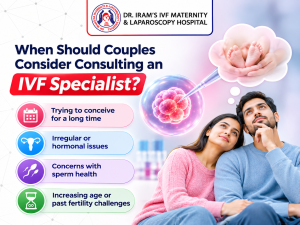
Couples should consider fertility evaluation when pregnancy does not occur after:

  • 12 months of regular unprotected intercourse if the woman is below 35 years.
  • 6 months if the woman is 35 years or older.
  • Earlier evaluation when the woman is above 40 years or when known fertility problems are present.

Earlier consultation may also be appropriate for women with irregular periods, suspected endometriosis, blocked fallopian tubes, or a history of reproductive health problems.

Male partners should also undergo fertility evaluation because infertility can involve either or both partners.

An IVF Clinic in Trilanga, Bhopal may be considered by couples who want to understand the available fertility investigations and treatment options.

IVF Treatment in BDA Colony, Bhopal

Couples searching for IVF Treatment in BDA Colony, Bhopal may have questions about the number of cycles required, treatment success, embryo transfer, and the overall IVF process. Dr. Iram Ajaz is the Obstetrician and Gynecologist behind Dr. Iram’s IVF Maternity & Laparoscopy Hospital in Bhopal. The hospital began its journey in 2013 and focuses on supporting couples through fertility-related evaluation and treatment.

During a consultation, couples can discuss their infertility history, previous investigations, and treatment expectations. The medical team can help explain the possible treatment pathway based on individual findings. The hospital also has Dr. Shahid Hassan, an Expert Laparoscopic and General Surgeon specialising in piles, fissure, fistula, and hernia treatments. The number of IVF cycles required should be assessed according to age, ovarian reserve, embryo development, and other fertility-related factors.

IVF Centre in Shahpura, Bhopal

Couples searching for an IVF Centre in Shahpura, Bhopal may be exploring fertility treatment options after experiencing difficulty conceiving. IVF involves several stages, and understanding each stage can help patients prepare for the process. A detailed evaluation of both partners is important before deciding whether IVF or another fertility treatment is appropriate. Patients should discuss the expected treatment timeline, available procedures, laboratory facilities, and follow-up arrangements with the fertility care team. Dr. Iram’s IVF Maternity & Laparoscopy Hospital has been supporting patients since its establishment in 2013.

IVF Specialist in Gulmohar Colony, Bhopal

Patients looking for an IVF Specialist in Gulmohar Colony, Bhopal may need guidance about repeated IVF attempts, low ovarian reserve, embryo quality, or previous unsuccessful transfers. A fertility specialist evaluates the reasons behind previous treatment outcomes before recommending another attempt. The consultation may involve reviewing hormonal reports, ultrasound findings, semen analysis, and previous IVF records. An individualised approach helps couples understand the available options and make informed decisions about their reproductive health.

IVF Clinic in Trilanga, Bhopal

Couples searching for an IVF Clinic in Trilanga, Bhopal may want to understand how many IVF cycles are generally required and what influences the chances of pregnancy. There is no fixed number of cycles suitable for every couple. Some patients may conceive after the first attempt, while others may require further evaluation and treatment. The doctor may recommend changes in medication protocols or additional investigations depending on the previous cycle results. Understanding the difference between egg retrieval and embryo transfer is also important when planning repeated IVF treatment.

Fertility Treatment in Arera Colony, Bhopal

People searching for Fertility Treatment in Arera Colony, Bhopal may be experiencing infertility due to hormonal problems, ovulation disorders, male-factor infertility, or unexplained causes. Fertility treatment begins with identifying the possible reason for difficulty conceiving. Depending on the diagnosis, treatment may include medication, ovulation induction, IUI, or IVF. Not every couple needs IVF as the first treatment option. The recommended approach depends on the patient’s age, fertility history, and medical findings. A proper fertility assessment helps determine which treatment may be suitable.

IVF Centre near Kolar Road, Bhopal

Couples searching for an IVF Centre near Kolar Road, Bhopal may want to compare fertility treatment options and understand the facilities available at different centres. Before starting treatment, patients should ask about the fertility specialist’s qualifications, embryology laboratory standards, treatment protocols, counselling, and follow-up care. They should also understand the estimated cost of treatment and whether additional procedures or frozen embryo transfers may involve separate expenses. Choosing a fertility centre should involve medical suitability and quality of care rather than location alone.

Summary

The number of IVF cycles required to achieve pregnancy varies from couple to couple. Some women may conceive during their first IVF attempt, while others may need additional cycles or embryo transfers. Age, ovarian reserve, egg quality, sperm health, embryo development, uterine conditions, and previous treatment outcomes all influence IVF results.

An unsuccessful first attempt does not automatically mean that future treatment will fail. Reviewing the previous cycle and understanding the underlying fertility factors can help guide further decisions. Dr. Iram Ajaz, Obstetrician and Gynecologist, and Dr. Shahid Hassan, Laparoscopic and General Surgeon, are associated with Dr. Iram’s IVF Maternity & Laparoscopy Hospital in Bhopal. Their respective specialities address different medical needs. The most appropriate number of IVF cycles should always be determined through an individual medical evaluation.

FAQs – How Many IVF Cycles May Be Needed to Achieve Pregnancy?

1. How many IVF cycles are usually needed to achieve pregnancy?

There is no fixed number of IVF cycles required. Some couples achieve pregnancy during their first attempt, while others may need two or more cycles depending on age, ovarian reserve, embryo quality, and other fertility factors.

2. Can I get pregnant in the first IVF cycle?

Yes, pregnancy is possible during the first IVF cycle. However, success depends on individual fertility conditions, egg and sperm quality, embryo development, and uterine health.

3. Does a failed first IVF cycle mean I cannot get pregnant?

No. An unsuccessful first IVF attempt does not mean future attempts will also fail. The doctor may review the previous cycle and recommend suitable changes or further investigations.

4. Is the second IVF cycle more successful than the first?

Not necessarily. Success depends on individual medical factors and the results of the previous cycle. Treatment adjustments may be considered when clinically appropriate.

5. How much time should I wait before another IVF cycle?

The waiting period depends on the patient’s recovery, ovarian response, medical history, and treatment plan. Some patients may proceed after their next menstrual cycle, while others may need additional time.

6. Does age affect the number of IVF cycles needed?

Yes. Age influences egg quality and ovarian reserve, which can affect IVF outcomes. Generally, fertility outcomes decline with increasing maternal age, although individual results vary.

7. Can one IVF egg retrieval produce multiple embryos?

Yes. One egg retrieval may produce multiple fertilized embryos. Suitable embryos may be transferred individually or frozen for future use, depending on the treatment plan.

8. What happens if IVF fails three times?

The fertility specialist may recommend a detailed review of previous cycles, embryo development, uterine health, and other reproductive factors. Further treatment should be planned according to the findings.

9. How do I choose an IVF centre in Bhopal?

Consider the doctor’s qualifications, fertility treatment experience, embryology laboratory facilities, treatment transparency, patient counselling, and follow-up arrangements before choosing a centre.

10. Who should I consult for IVF treatment in BDA Colony, Bhopal?

Couples can consult Dr. Iram Ajaz, associated with Dr. Iram’s IVF Maternity & Laparoscopy Hospital in Bhopal, to discuss fertility concerns, medical investigations, and available treatment options.

Conclusion – How Many IVF Cycles May Be Needed to Achieve Pregnancy?

The number of IVF cycles needed to achieve pregnancy cannot be predicted accurately for every couple. While some patients conceive after their first attempt, others may require additional treatment cycles or frozen embryo transfers.

A detailed fertility evaluation, appropriate treatment planning, and regular medical monitoring are important throughout the IVF journey. Dr. Iram Ajaz, Obstetrician and Gynecologist, and Dr. Shahid Hassan, Expert Laparoscopic and General Surgeon, are associated with Dr. Iram’s IVF Maternity & Laparoscopy Hospital in Bhopal. Their respective specialities support different areas of medical care.

Couples should discuss their individual medical condition and previous treatment results with a qualified fertility specialist before deciding on the next IVF attempt.

An unsuccessful IVF cycle can be emotionally difficult for couples who are trying to conceive. When treatment fails more than once, many questions arise: Why did the embryo not implant? Are there any underlying medical conditions? Should the treatment plan change? Is another attempt worth considering?

Repeated IVF Failure in Bhopal is a concern for couples who have experienced unsuccessful embryo transfers or pregnancy tests and want to understand their next steps. Although several factors can affect IVF outcomes, an unsuccessful cycle does not automatically mean that pregnancy is impossible.

At Dr. Iram’s IVF Maternity & Laparoscopic Hospital, couples can explore fertility evaluation and treatment options according to their medical history. An appointment with an appropriate IVF Specialist in Bhopal can help patients review previous reports, understand possible contributing factors, and decide whether further investigations are necessary.

The right approach is not to repeat every test or procedure automatically. Instead, the focus should be on understanding previous treatment results and creating an individualised plan.

What Is Repeated IVF Failure?

Repeated IVF failure generally describes unsuccessful outcomes after multiple IVF attempts. However, there is no single number of failed cycles that applies to every patient. Doctors consider factors such as age, embryo development, the number and quality of embryos transferred, and the predicted likelihood of implantation.

An IVF cycle may be unsuccessful because eggs do not fertilise, embryos stop developing, an embryo does not implant, or a pregnancy ends in an early loss. These outcomes are different and may require different assessments.

For couples concerned about Repeated IVF Failure in Bhopal, reviewing each stage of previous treatment can help clarify where difficulties occurred. A specialist may examine ovarian stimulation results, fertilisation reports, embryo development, transfer details, and pregnancy-test results before suggesting further treatment.

A Failed IVF Cycle does not always reveal a specific medical problem. Sometimes, no definite cause can be identified despite an appropriate evaluation.

What Are the Common Causes of Repeated IVF Failure?

1. Age-Related Changes in Egg Quality

Female age is an important factor affecting fertility and IVF outcomes. As age increases, ovarian reserve generally declines, and the proportion of eggs with chromosomal abnormalities increases. Such abnormalities may affect embryo development, implantation, or the continuation of pregnancy.

Ovarian reserve tests, including AMH and antral follicle count, can help assess the expected response to stimulation. However, these tests do not directly measure egg quality or guarantee the outcome of a future cycle.

A couple considering Repeated IVF Failure in Bhopal should discuss age, ovarian reserve, and previous egg-retrieval results with their fertility specialist. These details can help determine whether the treatment approach needs to be reviewed.

2. Embryo Development and Chromosomal Abnormalities

An embryo must develop appropriately before it can implant and continue growing. Some embryos stop developing in the laboratory, while others may appear suitable for transfer but have chromosomal abnormalities that cannot be identified from appearance alone.

Embryo grading provides useful information, but it cannot guarantee implantation or a live birth. In selected cases, a specialist may discuss preimplantation genetic testing for aneuploidy (PGT-A), including its limitations, costs, and possible benefits.

PGT-A is not appropriate for everyone and has not been shown to improve live-birth rates for all patients with infertility. A Failed IVF Cycle alone does not mean that genetic testing is automatically required.

3. Uterine and Endometrial Conditions

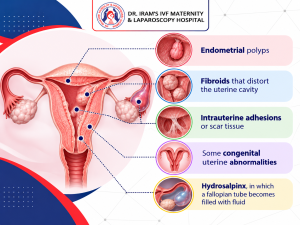
The uterus and its lining play an important role in embryo implantation. Certain conditions may affect the uterine cavity or reproductive health, including:

  • Endometrial polyps
  • Fibroids that distort the uterine cavity
  • Intrauterine adhesions or scar tissue
  • Some congenital uterine abnormalities
  • Hydrosalpinx, in which a fallopian tube becomes filled with fluid

Depending on the patient’s history and previous investigations, a doctor may recommend transvaginal ultrasound, saline sonography, or hysteroscopy.

For patients seeking Infertility Treatment in Bhopal, additional testing should be based on clinical findings rather than a standard package of investigations for everyone. The purpose is to identify conditions that could meaningfully change treatment decisions.

4. Sperm-Related Factors

Male fertility can also influence fertilisation and embryo development. Sperm concentration, movement, and shape may be assessed through a semen analysis. Further evaluation may be appropriate if results or medical history suggest an underlying issue.

Both partners should be included in the discussion whenever applicable. Fertility difficulties should not automatically be attributed to the female partner.

During IVF Treatment in Bhopal, the fertility team may review the male partner’s reports alongside the female partner’s ovarian response and embryo-development records. Additional tests should be recommended when they have a clear clinical purpose.

5. Ovarian Response and Hormonal Factors

Some patients produce fewer eggs than expected during ovarian stimulation. This may be associated with ovarian reserve, age, or individual differences in response to medication.

The treating specialist may review previous medication protocols, hormone measurements, the number of mature eggs retrieved, and fertilisation outcomes. Thyroid function or other hormonal assessments may be considered when symptoms, medical history, or previous results indicate a need.

An IVF Specialist in Bhopal can explain whether a change in stimulation protocol is reasonable and what limitations remain. Adjusting medication without reviewing the previous cycle may not address the actual reason for an unsuccessful outcome.

6. Medical Conditions and Lifestyle Factors

Certain medical conditions, including poorly controlled diabetes and thyroid disorders, may require attention before another pregnancy attempt. Other reproductive conditions may also influence fertility, depending on the individual case.

Smoking and tobacco use can negatively affect reproductive health. Maintaining a balanced diet, staying physically active, avoiding tobacco, and discussing alcohol use with a doctor can support general health. These steps cannot, however, guarantee IVF success or correct every underlying cause.

For couples experiencing Repeated IVF Failure in Bhopal, lifestyle advice should complement medical evaluation rather than replace it.

What Should You Do After a Failed IVF Cycle?

The next step is usually a structured review of previous treatment rather than immediately repeating the same protocol.

1. Collect All Previous IVF Reports

Bring together records from every previous cycle, including:

  • Stimulation medications and response
  • Number of eggs retrieved and mature eggs obtained
  • Fertilisation results
  • Embryo grading and development
  • Fresh or frozen embryo transfer details
  • Pregnancy-test results and any pregnancy losses
  • Previous scans and relevant medical investigations

These records help the doctor identify patterns and determine whether further evaluation may be useful.

2. Reassess the Treatment Plan

A specialist may consider changes to ovarian stimulation, embryo-transfer planning, or the management of an identified medical condition. Any change should have a clear clinical rationale.

Couples seeking IVF Treatment in Bhopal should ask why a particular change is being recommended, what benefit is expected, and whether there are alternative approaches. This helps them make informed decisions about further treatment.

3. Consider Targeted Investigations

Depending on the previous results, a doctor may recommend assessment of the uterine cavity, review of hormonal health, male fertility evaluation, or genetic counselling in selected situations.

Not every patient needs every investigation. Routine immune testing, endometrial receptivity panels, endometrial scratching, or other add-on procedures should not be assumed necessary simply because an earlier cycle was unsuccessful. Evidence for many such interventions remains limited.

A qualified IVF Specialist in Bhopal can explain which tests are supported by the patient’s history and which may not provide useful information.

4. Discuss the Chances of Another Attempt

The likely outcome of another cycle depends on several factors, including age, embryo availability, previous treatment response, and any identified medical conditions. General success rates advertised online may not accurately reflect an individual’s circumstances.

When discussing Repeated IVF Failure in Bhopal, ask the specialist to explain the expected benefits, limitations, costs, and alternatives of the proposed plan. No clinic or treatment can guarantee pregnancy.

5. Give Emotional Recovery Appropriate Attention

Unsuccessful fertility treatment can affect emotional well-being, relationships, and finances. Couples may benefit from counselling, support groups, or time to discuss their next steps together.

A negative result is not evidence that a patient has done something wrong. Emotional support should be offered alongside appropriate medical care.

How to Choose an IVF Centre in Bhopal After Unsuccessful Attempts

After one or more unsuccessful cycles, patients may want a second opinion or a detailed review of their existing treatment plan. Choosing a clinic should involve more than comparing advertised success rates.

When evaluating an IVF Centre in Bhopal, consider whether the team explains treatment options clearly, reviews previous reports, discusses costs transparently, and recommends investigations according to individual needs.

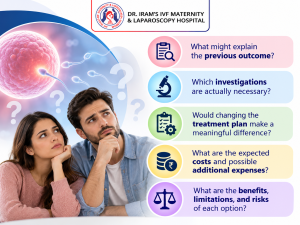
Ask questions such as:

  • What might explain the previous outcome?
  • Which investigations are actually necessary?
  • Would changing the treatment plan make a meaningful difference?
  • What are the expected costs and possible additional expenses?
  • What are the benefits, limitations, and risks of each option?

Patients looking for an IVF Clinic near Koh-e-Fiza can also confirm the clinic’s location, consultation availability, and the services offered before booking an appointment.

Dr. Iram’s IVF Maternity & Laparoscopic Hospital lists fertility services including IVF, IUI/ICSI, infertility workup, blastocyst culture and transfer, cryopreservation, and laparoscopy and hysteroscopy. Couples should confirm which services and consultations are appropriate for their individual circumstances.

Fertility Care Around Koh-e-Fiza and Nearby Areas

Finding a clinic that is convenient to reach can make consultations and follow-up visits easier during fertility treatment. Dr. Iram’s IVF Maternity & Laparoscopic Hospital lists its address as C-33, BDA Colony, Koh-e-Fiza, Bhopal, Madhya Pradesh – 462001.

Patients from BDA Colony, Koh-e-Fiza, Lalghati, and Bairagarh may consider travel distance and appointment schedules when planning consultations. Patients travelling from Arera Colony, Shahpura, MP Nagar, or Kolar Road can confirm directions and appointment availability directly with the clinic.

For those researching Repeated IVF Failure in Bhopal, location is one practical consideration, but the quality of counselling, clarity of treatment recommendations, and individual medical assessment are equally important.

A consultation at an IVF Centre in Bhopal should provide an opportunity to discuss previous treatment outcomes and understand the possible next steps without pressure to undergo unnecessary procedures.

Frequently Asked Questions – Repeated IVF Failure in Bhopal

1. How many unsuccessful IVF attempts indicate repeated IVF failure?

There is no universal number that applies to everyone. Doctors consider age, embryo quality, previous transfer outcomes, and the predicted chance of implantation. A detailed assessment may be appropriate when unsuccessful attempts accumulate.

2. Does a Failed IVF Cycle mean pregnancy is impossible?

No. An unsuccessful cycle does not automatically mean that a future attempt cannot result in pregnancy. The outlook depends on individual factors, and a specialist can provide a more personalised assessment.

3. Which tests may be needed after repeated IVF failure?

Depending on the clinical history, testing may include review of ovarian reserve, uterine anatomy, previous embryo-development records, and male fertility results. Additional tests should be recommended only when clinically justified.

4. Should I change my clinic after unsuccessful IVF attempts?

Not necessarily. You may first request a detailed review from your current team. If you remain uncertain about the explanation or proposed treatment, seeking a second opinion from a qualified specialist may help.

5. Can stress alone cause IVF failure?

It is not appropriate to assume that stress caused an unsuccessful cycle. Fertility treatment can be emotionally demanding, so counselling and emotional support can be useful without placing blame on the patient.

6. What should I ask during an IVF consultation?

Ask about the possible reasons for the previous outcome, the need for additional tests, realistic chances of success, available treatment options, total expected costs, and the risks or limitations of any proposed add-on procedure.

7. Where can I discuss my previous IVF reports in Bhopal?

You can contact a qualified fertility specialist to arrange a review of your previous treatment records. Dr. Iram’s IVF Maternity & Laparoscopic Hospital lists its location in BDA Colony, Koh-e-Fiza, Bhopal. Confirm consultation availability and relevant services directly with the clinic.

Conclusion – Repeated IVF Failure in Bhopal

Repeated unsuccessful IVF treatment can be difficult, but reviewing previous outcomes can help couples make informed decisions. Possible contributing factors include age-related changes in egg quality, embryo development, chromosomal abnormalities, uterine conditions, sperm-related factors, and individual responses to medication. In some cases, the exact cause remains unknown.

If you are concerned about Repeated IVF Failure in Bhopal, discuss your previous reports with a qualified fertility specialist before deciding on another cycle. A personalised assessment can help determine whether additional investigations, a change in treatment, or another approach may be appropriate.

The aim is to make informed decisions based on medical evidence, individual circumstances, and realistic expectations.

Infertility can be an emotional and challenging experience for couples who are trying to start or grow their families. When pregnancy does not occur despite regular, unprotected intercourse, a proper fertility evaluation can help identify possible causes and guide couples toward suitable treatment. Consulting an experienced Infertility Specialist in Bhopal can help both partners understand their reproductive health and explore appropriate treatment options.

Infertility can affect both men and women. Problems with ovulation, ovarian reserve, fallopian tubes, the uterus, sperm production, sperm movement, hormones, or other reproductive factors may contribute to difficulty conceiving. Sometimes, no specific cause is identified even after evaluation. For this reason, fertility assessment should ideally involve both partners.

An experienced Infertility Specialist in Bhopal can evaluate the medical history of both partners, recommend appropriate diagnostic tests, explain the findings, and develop an individualized treatment plan. Depending on the cause, treatment may include lifestyle changes, medicines, ovulation induction, IUI, or advanced assisted reproductive techniques such as IVF.

Infertility Specialist in Bhopal – Understanding Infertility

Infertility refers to difficulty achieving pregnancy despite regular unprotected sexual intercourse over a period of time. The World Health Organization recognizes infertility as a disease of the male or female reproductive system that may result from abnormalities affecting the reproductive system.

The condition may be related to male factors, female factors, a combination of both, or unexplained causes.

An Infertility Specialist in Bhopal generally evaluates both partners instead of assuming that infertility is caused only by the woman. This balanced approach can help identify the underlying issue and avoid unnecessary delays in treatment.

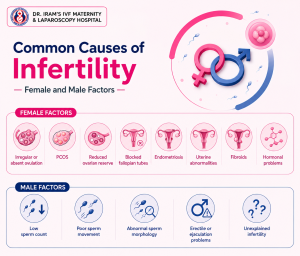
Common fertility-related concerns include:

  • Irregular or absent ovulation
  • PCOS
  • Reduced ovarian reserve
  • Blocked fallopian tubes
  • Endometriosis
  • Uterine abnormalities
  • Fibroids
  • Hormonal problems
  • Low sperm count
  • Poor sperm movement
  • Abnormal sperm morphology
  • Erectile or ejaculation problems
  • Unexplained infertility

Early evaluation can be particularly important when age, previous reproductive problems, or other risk factors may affect fertility.

Male Infertility in Bhopal – Causes and Risk Factors

Some common causes include:

Low Sperm Count

A lower-than-normal sperm concentration may reduce the chance of fertilization.

Poor Sperm Motility

Sperm need adequate movement to travel through the female reproductive tract. Reduced motility can affect natural conception.

Abnormal Sperm Morphology

Changes in sperm shape or structure may sometimes affect their ability to fertilize an egg.

Varicocele

A varicocele is an enlargement of veins around the testicle and may be associated with impaired sperm production in some men.

Hormonal Problems

Hormonal disorders involving reproductive hormones can affect sperm production.

Infections

Certain infections may affect the reproductive system or sperm quality.

Lifestyle Factors

Smoking, excessive alcohol consumption, obesity, poor sleep, prolonged heat exposure, and some medications may negatively affect reproductive health.

Previous Surgery or Injury

Previous testicular surgery, trauma, or certain medical conditions can sometimes contribute to male infertility.

For these reasons, men should be included in fertility evaluation from the beginning. An Infertility Specialist in Bhopal may recommend semen analysis and other investigations according to the patient’s history.

Female Infertility in Bhopal – Common Causes

Female Infertility in Bhopal may be associated with problems affecting ovulation, ovarian function, fallopian tubes, uterus, hormones, or reproductive age.

Some important causes include:

Ovulation Disorders

Irregular or absent ovulation is one of the common causes of female infertility. PCOS, thyroid disorders, high prolactin levels, significant weight changes, and other hormonal conditions may affect ovulation.

Reduced Ovarian Reserve

Ovarian reserve refers to the quantity of eggs remaining in the ovaries. It generally decreases with age, although the rate varies between individuals.

Fallopian Tube Blockage

Blocked or damaged fallopian tubes can prevent sperm and egg from meeting.

Endometriosis

Endometriosis can affect pelvic organs and may interfere with fertility through several mechanisms.

Uterine Conditions

Fibroids, polyps, adhesions, or certain structural abnormalities may affect implantation or pregnancy.

Age-Related Fertility Changes

Female fertility generally declines with increasing age, particularly because egg quantity and quality decrease over time.

Women experiencing persistent difficulty conceiving should consider evaluation by an Infertility Specialist in Bhopal rather than delaying assessment.

Male and Female Infertility – Why Both Partners Should Be Evaluated

Infertility is not exclusively a female health problem. Male and female factors may occur independently or together.

A complete fertility assessment may therefore include:

  • Medical history
  • Menstrual and ovulation history
  • Previous pregnancies
  • Physical examination when appropriate
  • Semen analysis
  • Hormonal testing
  • Ultrasound
  • Ovarian reserve assessment
  • Fallopian-tube evaluation
  • Uterine assessment

Evaluation of both partners can help identify the most appropriate treatment and prevent unnecessary procedures.

When couples consult an Infertility Specialist in Bhopal, the specialist can review both partners’ reports together and explain whether the problem appears to be male-factor, female-factor, combined, or unexplained infertility.

Diagnosis of Infertility – Tests and Investigations

The diagnosis of infertility is not based on one test. Different investigations may be recommended depending on age, medical history, symptoms, and previous treatment.

Semen Analysis

Semen analysis is one of the main investigations used to assess male fertility. It evaluates factors such as:

  • Sperm concentration
  • Sperm motility
  • Sperm morphology
  • Semen volume
  • Other semen characteristics

If the first result is abnormal, repeat testing may sometimes be recommended.

Ovulation Assessment

Ovulation can be assessed using:

  • Menstrual history
  • Ovulation predictor kits
  • Hormonal blood tests
  • Ultrasound follicular monitoring

Ovarian Reserve Testing

Depending on the clinical situation, doctors may recommend tests such as AMH and antral follicle count to assess ovarian reserve.

Ultrasound

Pelvic ultrasound can help evaluate the uterus, ovaries, follicles, fibroids, cysts, and other reproductive structures.

Fallopian-Tube Evaluation

Tests such as hysterosalpingography or other appropriate imaging methods may be used to determine whether the fallopian tubes are open.

Additional Testing

Additional hormonal, genetic, or other investigations may be recommended when indicated by the patient’s history or initial results.

A qualified Infertility Specialist in Bhopal selects investigations according to the individual patient rather than recommending every test for every couple.

When Should You Consult an Infertility Specialist in Bhopal?

Many couples wonder when fertility evaluation should begin.

Generally, couples may consider medical evaluation after:

  • 12 months of regular unprotected intercourse without pregnancy when the woman is under 35
  • 6 months when the woman is 35 or older
  • Earlier evaluation when there are known fertility problems or risk factors

Earlier consultation may be appropriate when a woman has very irregular periods, known PCOS, endometriosis, previous pelvic surgery, or other reproductive concerns, or when a man has a history of testicular problems, previous reproductive surgery, or known sperm abnormalities.

An Infertility Specialist in Bhopal can determine whether evaluation is required immediately or whether trying naturally for some additional time is reasonable.

Infertility Treatment in Bhopal – Available Treatment Options

Infertility Treatment in Bhopal depends on the underlying cause, age, duration of infertility, previous treatment, and reproductive health of both partners.

Treatment may include:

  • Lifestyle modification
  • Ovulation-induction medicines
  • Hormonal treatment
  • Treatment of underlying medical conditions
  • Surgical treatment when indicated
  • IUI
  • IVF
  • Other assisted reproductive techniques

Not every couple requires IVF. Some couples may achieve pregnancy with medicines or IUI, while others may benefit from proceeding to advanced fertility treatment.

A personalized approach helps ensure that treatment is appropriate for the specific fertility problem.

Ovulation Induction for Female Infertility

For women who do not ovulate regularly, fertility medicines may be used to encourage ovulation.

Before treatment, the doctor may assess:

  • Ovarian reserve
  • Hormonal status
  • Fallopian tubes
  • Partner’s semen parameters
  • Overall reproductive health

Ovulation induction may be combined with timed intercourse or IUI depending on the situation.

Women undergoing stimulation may require ultrasound monitoring to assess follicular development and reduce the risk of complications such as excessive ovarian response or multiple pregnancy.

For appropriate patients with Female Infertility in Bhopal, ovulation treatment can be an important part of the fertility-management plan.

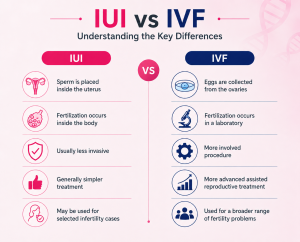
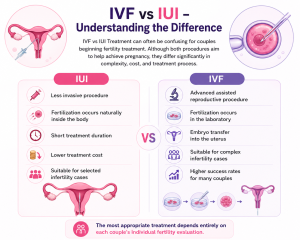
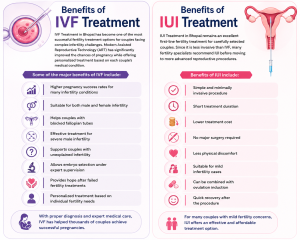
IUI Treatment for Selected Infertility Cases

Intrauterine insemination, or IUI, involves placing prepared sperm directly into the uterus around the time of ovulation.

IUI may be considered for selected cases of:

  • Unexplained infertility
  • Mild male-factor infertility
  • Ovulation problems
  • Use of donor sperm
  • Certain cervical factors

The treatment involves monitoring ovulation, preparing the sperm sample, and performing insemination at the appropriate time.

IUI does not guarantee pregnancy, and its suitability depends on several factors. Couples should discuss expected outcomes with their fertility specialist before starting treatment.

IVF Treatment for More Complex Fertility Problems

IVF, or in-vitro fertilization, involves retrieving eggs from the ovaries and fertilizing them with sperm in a laboratory. An embryo is subsequently transferred into the uterus.

IVF may be considered in situations such as:

  • Blocked fallopian tubes
  • Severe male-factor infertility
  • Certain cases of endometriosis
  • Reduced ovarian reserve
  • Previous unsuccessful fertility treatments
  • Unexplained infertility after appropriate initial treatment
  • Other circumstances where IVF is clinically appropriate

An IVF Centre in Bhopal can provide fertility evaluation and explain whether IVF or another treatment is appropriate.

The decision to proceed with IVF should be based on the couple’s individual medical circumstances rather than simply choosing the most advanced treatment.

Male Infertility Treatment Options

Treatment for Male Infertility in Bhopal depends on the underlying problem.

Possible approaches may include:

  • Lifestyle modification
  • Treatment of hormonal disorders
  • Treatment of infections when appropriate
  • Management of varicocele in selected patients
  • Surgical correction of certain reproductive problems
  • IUI when sperm parameters are suitable
  • IVF or ICSI when indicated

ICSI, or intracytoplasmic sperm injection, involves injecting a single sperm directly into an egg during an IVF cycle. It may be considered in certain cases of significant male-factor infertility.

The appropriate treatment should be selected after proper evaluation rather than based only on a single semen-analysis value.

Female Infertility Treatment Options

Treatment for Female Infertility in Bhopal depends on the cause.

Management may include:

  • Ovulation induction
  • Treatment of PCOS-related ovulation problems
  • Hormonal management
  • Treatment of endometriosis
  • Surgery for selected uterine or tubal conditions
  • IUI
  • IVF
  • Fertility preservation when appropriate

Age and ovarian reserve are important considerations when developing a fertility plan.

A fertility specialist can explain which treatment is most appropriate after reviewing the complete evaluation.

Infertility Treatment at an IVF Centre in Bhopal

An IVF Centre in Bhopal can provide several fertility services under coordinated care.

A typical fertility-care pathway may include:

  1. Initial consultation
  2. Evaluation of both partners
  3. Required diagnostic testing
  4. Identification of possible infertility causes
  5. Individualized treatment planning
  6. Ovulation monitoring where required
  7. IUI or IVF when appropriate
  8. Pregnancy testing and follow-up

The provided information about Dr. Iram’s IVF states that the centre began its fertility journey in 2013 and provides fertility-related care with a team of trained professionals.

For couples seeking an Infertility Specialist in Bhopal, comprehensive evaluation can help them understand their reproductive health before selecting a treatment.

Dr. Iram Ajaz – Fertility Care in Bhopal

According to the information provided for this website, Dr. Iram Ajaz is an Obstetrician-Gynecologist based in Bhopal and is associated with Dr. Iram’s IVF.

The provided website content describes Dr. Iram’s IVF as a fertility centre established in 2013, with a focus on fertility evaluation and assisted reproductive care.

For couples dealing with Male Infertility in Bhopal or Female Infertility in Bhopal, the fertility team can evaluate the individual circumstances of both partners and discuss suitable treatment options.

The focus of fertility care should be on accurate diagnosis, clear communication, individualized treatment planning, and appropriate follow-up throughout the treatment journey.

Why Choose an Infertility Specialist in Bhopal?

Selecting an experienced Infertility Specialist in Bhopal can help couples receive structured fertility evaluation and understand their treatment options.

Important factors to consider include:

  • Experience in reproductive medicine
  • Evaluation of both partners
  • Proper fertility testing
  • Ultrasound and follicular monitoring
  • Quality laboratory support
  • Individualized treatment planning
  • Availability of IUI
  • Availability of IVF when required
  • Clear explanation of treatment options
  • Appropriate follow-up care

Fertility treatment should not be approached as a one-size-fits-all process. The treatment plan should be based on the couple’s age, medical history, fertility diagnosis, test results, and previous treatment experience.

Lifestyle and Fertility – Healthy Habits That May Help

Medical treatment is important when infertility has an underlying cause, but healthy lifestyle habits can also support overall reproductive health.

Couples may consider:

  • Maintaining a healthy body weight
  • Eating a balanced diet
  • Exercising regularly
  • Avoiding smoking
  • Limiting alcohol
  • Getting adequate sleep
  • Managing stress
  • Avoiding unnecessary medications
  • Managing existing medical conditions
  • Following medical advice during fertility treatment

Lifestyle changes cannot correct every cause of infertility, but they can contribute to general health and may support fertility management.

Emotional Support During Infertility Treatment

Infertility can affect emotional well-being as well as physical health. Couples may experience stress, frustration, anxiety, disappointment, or uncertainty during the treatment process.

It can help to:

  • Communicate openly with your partner
  • Understand the treatment before starting
  • Ask questions during consultations
  • Avoid comparing your fertility journey with others
  • Seek professional emotional support when needed
  • Take care of sleep, nutrition, and daily routines

An experienced Infertility Specialist in Bhopal should explain the treatment process clearly so couples can make informed decisions about their reproductive care.

Benefits of Early Infertility Evaluation

Early fertility evaluation can help identify potential problems and prevent unnecessary delays.

Potential benefits include:

  • Identification of possible infertility causes
  • Evaluation of both partners
  • Early treatment planning
  • Better understanding of reproductive health
  • Identification of ovulation problems
  • Assessment of sperm quality
  • Evaluation of ovarian reserve
  • Assessment of fallopian tubes
  • Appropriate selection of IUI or IVF when required

For couples experiencing persistent difficulty conceiving, timely consultation with an Infertility Specialist in Bhopal can help determine the next appropriate step.

Frequently Asked Questions – Infertility Specialist in Bhopal

What does an Infertility Specialist in Bhopal do?

An Infertility Specialist in Bhopal evaluates couples who are having difficulty conceiving, identifies possible male or female fertility factors, recommends appropriate investigations, and develops an individualized treatment plan.

What are the common causes of infertility?

Infertility can result from ovulation problems, reduced ovarian reserve, blocked fallopian tubes, endometriosis, uterine conditions, low sperm count, poor sperm motility, hormonal problems, or unexplained factors.

What is Male Infertility in Bhopal?

Male Infertility in Bhopal refers to difficulty achieving pregnancy because of factors affecting sperm production, sperm quality, sperm transport, hormones, or sexual function.

What is Female Infertility in Bhopal?

Female Infertility in Bhopal refers to difficulty conceiving because of factors involving ovulation, ovarian reserve, fallopian tubes, uterus, hormones, endometriosis, age, or other reproductive conditions.

When should I see an infertility specialist?

Evaluation is generally recommended after 12 months of trying to conceive when the woman is under 35, or after 6 months when she is 35 or older. Earlier evaluation may be recommended when there are known fertility concerns.

What tests are performed for infertility?

Depending on the situation, testing may include semen analysis, hormonal tests, ultrasound, ovarian-reserve assessment, ovulation evaluation, and fallopian-tube testing.

Can Male Infertility be treated?

Yes. Treatment depends on the underlying cause and may include lifestyle changes, medicines, surgery in selected cases, IUI, IVF, or ICSI.

Can Female Infertility be treated?

Many causes of female infertility can be managed with medicines, ovulation induction, surgery in selected cases, IUI, IVF, or other appropriate treatments.

Is IVF necessary for every infertile couple?

No. IVF is not required in every case. Some couples may achieve pregnancy through lifestyle changes, medicines, timed intercourse, or IUI, depending on the cause of infertility.

What happens if the cause of infertility cannot be identified?

This is called unexplained infertility. Even when no specific cause is identified, fertility specialists can recommend evidence-based treatment options based on age, duration of infertility, and other individual factors.


Summary

Infertility can affect both men and women, and identifying the underlying cause is an important part of effective fertility management. Male Infertility in Bhopal may be related to sperm production, sperm movement, hormones, reproductive anatomy, or other factors, while Female Infertility in Bhopal may involve ovulation, ovarian reserve, fallopian tubes, uterus, endometriosis, age, or hormonal conditions.

A detailed evaluation by an Infertility Specialist in Bhopal can help couples understand their reproductive health and choose an appropriate treatment pathway. Depending on the diagnosis, Infertility Treatment in Bhopal may include lifestyle changes, medicines, ovulation induction, IUI, IVF, or other assisted reproductive techniques.

An IVF Centre in Bhopal can provide coordinated fertility evaluation and advanced assisted reproductive services when required. Most importantly, treatment should be personalized according to the medical needs of both partners.


Conclusion – Infertility Specialist in Bhopal

Difficulty conceiving can be caused by several factors, and infertility should not be considered solely a female or male problem. Male Infertility in Bhopal and Female Infertility in Bhopal both require appropriate evaluation so that the underlying factors can be identified and managed correctly.

Consulting an Infertility Specialist in Bhopal can help couples understand their fertility status, undergo the right diagnostic tests, and select a suitable treatment option. From medicines and ovulation induction to IUI and advanced IVF treatment, modern fertility care provides several options depending on the individual situation.

For couples looking for Infertility Treatment in Bhopal, a structured fertility evaluation at an IVF Centre in Bhopal can be an important first step. According to the provided website information, Dr. Iram Ajaz and the team associated with Dr. Iram’s IVF have been providing fertility-focused care since 2013. A personalized consultation can help couples understand their options and make informed decisions about their journey toward parenthood.

Trying to conceive can be an emotional journey for couples. When pregnancy does not occur naturally, fertility evaluation can help identify possible reasons and determine suitable treatment options. One such fertility treatment is IUI Treatment in Bhopal, a relatively simple assisted reproductive procedure in which prepared sperm is placed directly into the uterus around the time of ovulation.

For couples looking for fertility support, understanding the IUI process, eligibility, preparation, possible success rate, risks, and recovery can make the treatment journey easier to understand. IUI Treatment in Bhopal may be considered in selected cases of unexplained infertility, mild male-factor infertility, ovulation problems, or when donor sperm is required.

At an IVF Centre in Bhopal, fertility specialists can assess both partners and determine whether IUI, medication, IVF, or another approach is more appropriate for their individual situation.

What Is IUI Treatment?

IUI stands for Intrauterine Insemination. It is an assisted reproductive technique in which specially prepared sperm is placed directly inside the uterus close to the time of ovulation.

The purpose of IUI Treatment in Bhopal is to place a concentrated sample of healthy, motile sperm closer to the fallopian tubes, where fertilization may occur naturally.

Unlike IVF, fertilization during IUI takes place inside the woman’s body. IUI is therefore generally less invasive than IVF and may be considered before moving to more advanced fertility treatments in appropriate patients.

Why Is IUI Treatment Done?

There can be several reasons why a fertility specialist may recommend IUI Treatment in Bhopal.

Common situations include:

  • Unexplained infertility
  • Mild male-factor infertility
  • Problems with ovulation
  • Difficulty having vaginal intercourse
  • Use of donor sperm
  • Certain cervical factors
  • Selected fertility problems where IUI may be appropriate

The exact indication depends on the couple’s age, fertility history, ovarian function, sperm parameters, fallopian-tube status, and previous treatment.

An IVF Centre in Bhopal generally performs a detailed fertility assessment before recommending IUI so that treatment is matched to the patient’s specific needs.

Who Is Eligible for IUI Treatment in Bhopal?

Not every couple experiencing infertility is an ideal candidate for IUI.

A fertility specialist may consider IUI Treatment in Bhopal when:

1. Fallopian Tubes Are Open

At least one fallopian tube generally needs to be open and functional because fertilization usually occurs in the fallopian tube.

2. Ovulation Is Occurring

Women who ovulate regularly may be candidates for natural-cycle IUI. In some cases, medicines are used to stimulate ovulation.

3. Sperm Quality Is Suitable

The male partner’s semen is evaluated before treatment. The number and movement of sperm can influence whether IUI is appropriate.

4. Infertility Is Unexplained

For some couples with unexplained infertility, ovarian stimulation combined with IUI can be considered as an initial treatment approach. ASRM guidelines commonly recommend a limited course of oral-medication ovarian stimulation with IUI before IVF for suitable couples.

5. Donor Sperm Is Required

IUI can also be performed using donor sperm in appropriate circumstances.


When May IUI Not Be Recommended?

IUI Treatment in Bhopal may not be the best option when there are fertility factors that significantly reduce the likelihood of success.

Examples may include:

  • Blocked fallopian tubes
  • Severe male-factor infertility
  • Certain advanced stages of endometriosis
  • Significant reduction in ovarian reserve
  • Conditions requiring IVF or another assisted reproductive technique

The NHS notes that IUI is unlikely to increase pregnancy chances in some situations, including blocked fallopian tubes and severe sperm-quality problems.

A fertility specialist should therefore evaluate the couple before deciding whether IUI is appropriate.


IUI Treatment Procedure – Step-by-Step Guide

Understanding the IUI Treatment Procedure can help couples prepare for the treatment cycle.

Step 1: Fertility Evaluation

Before starting IUI, the doctor may evaluate:

  • Menstrual history
  • Ovulation pattern
  • Ovarian reserve
  • Uterine health
  • Fallopian tubes
  • Semen analysis
  • Previous pregnancies
  • Previous fertility treatments

A test to confirm that the fallopian tubes are open may be required before IUI.


Step 2: Ovulation Monitoring

The timing of IUI is extremely important.

Ovulation may be monitored through:

  • Ultrasound
  • Urine ovulation testing
  • Blood tests
  • Hormonal monitoring

Some women may undergo natural-cycle IUI, while others may receive medication to stimulate ovulation.

If ovarian stimulation is used, ultrasound monitoring is important to assess follicular development and reduce the risk of excessive stimulation.


Step 3: Ovulation Medicines

In selected patients, fertility medicines may be prescribed to encourage the development of one or more mature follicles.

Medicines can include oral ovulation-induction drugs or injectable medicines, depending on the treatment plan.

The choice of medicine and dose should always be determined by the fertility specialist.

Ovarian stimulation can increase the risk of multiple pregnancy, so appropriate monitoring is important.


Step 4: Sperm Collection and Preparation

On the day of IUI, a semen sample is usually collected.

The laboratory prepares the sample using a process commonly called sperm washing.

This preparation separates sperm from the seminal fluid and concentrates suitable, motile sperm for insemination.

If donor sperm is used, the fertility centre follows the applicable screening, storage, and preparation procedures.


Step 5: IUI Procedure

During IUI Treatment in Bhopal, the prepared sperm sample is placed into a thin catheter.

The catheter is gently passed through the cervix into the uterus, and the prepared sperm is introduced.

The procedure itself generally takes only a few minutes and usually does not require anaesthesia. Some women may experience mild discomfort or cramping.


Step 6: Pregnancy Test

After IUI, the fertility team will advise the couple when to perform a pregnancy test.

Testing too early can sometimes create confusion, particularly if an hCG trigger injection has been used.

Following the fertility specialist’s recommended testing date can provide a more reliable result.

IUI Treatment Success Rate

One of the most common questions couples ask is about the IUI Success Rate.

There is no single success rate that applies to every patient.

The chance of pregnancy can depend on:

  • Woman’s age
  • Egg quality
  • Ovarian reserve
  • Ovulation
  • Sperm count and motility
  • Cause of infertility
  • Number of mature follicles
  • Endometrial thickness
  • Whether fertility medicines are used
  • Previous fertility treatment

For example, UCLH reports a pregnancy rate of approximately 10–15% per IUI cycle in its service, illustrating why success figures should be interpreted according to the individual clinic and patient population rather than treated as a universal number.

Therefore, couples should discuss their individual IUI Success Rate with their fertility specialist rather than relying on a fixed percentage.

Factors That Can Affect IUI Success Rate

Several factors can influence the outcome of IUI Treatment in Bhopal.

Age

Female age is an important factor because egg quantity and quality generally change with age.

Sperm Quality

Adequate sperm concentration and movement can improve the likelihood that insemination will be useful.

Ovulation

Regular and appropriately timed ovulation is important for IUI.

Fallopian Tube Health

At least one open fallopian tube is generally required for natural fertilization following IUI.

Cause of Infertility

IUI may work better for some causes of infertility than others.

Treatment Protocol

The doctor may recommend natural-cycle IUI or IUI with carefully monitored ovarian stimulation depending on the patient’s condition.

How Many IUI Cycles May Be Needed?

The number of IUI cycles varies from patient to patient.

For suitable couples with unexplained infertility, ASRM recommends typically 3 or 4 cycles of ovarian stimulation with oral medications and IUI, followed by IVF if treatment is unsuccessful.

However, this does not mean every couple should undergo the same number of cycles.

A fertility specialist may recommend changing the treatment approach earlier depending on:

  • Age
  • Ovarian reserve
  • Sperm parameters
  • Previous treatment
  • Duration of infertility
  • Other medical factors

IUI vs IVF – What Is the Difference?

Both IUI and IVF are assisted reproductive treatments, but they work differently.

IUI IVF
Sperm is placed inside the uterus Eggs are collected from the ovaries
Fertilization occurs inside the body Fertilization occurs in a laboratory
Usually less invasive More involved procedure
Generally simpler treatment More advanced assisted reproductive treatment
May be used for selected infertility cases Used for a broader range of fertility problems

An IVF Centre in Bhopal can explain which treatment is appropriate based on the couple’s fertility evaluation.

For some couples, IUI may be attempted first, while others may benefit from proceeding directly to IVF.

IUI Treatment at an IVF Centre in Bhopal

A well-equipped IVF Centre in Bhopal can provide fertility evaluation, ovulation monitoring, semen preparation, IUI, and advanced fertility treatments under coordinated care.

The fertility journey may involve:

  • Initial consultation
  • Fertility investigations
  • Ultrasound monitoring
  • Hormonal assessment
  • Semen analysis
  • Ovulation induction
  • Sperm preparation
  • IUI
  • Pregnancy testing
  • Further fertility planning if required

The aim is to understand the underlying fertility problem and select a treatment plan appropriate for the couple.

Dr. Iram Ajaz – Fertility and IVF Care in Bhopal

According to the provided website information, Dr. Iram Ajaz is an Obstetrician-Gynecologist based in Bhopal and is the doctor behind Dr. Iram’s IVF.

The provided information states that Dr. Iram’s IVF began in 2013, with a focus on fertility care and supporting couples through their reproductive journey.

The centre describes a team of fertility professionals and trained staff working together to provide fertility services under one roof.

For couples considering IUI Treatment in Bhopal, a consultation with the fertility team can help determine whether IUI is suitable or whether another fertility treatment may provide a better option.

Why Choose an IVF Centre in Bhopal for IUI?

Choosing the right fertility centre can make the treatment process more organized and easier to understand.

Important factors include:

  • Experienced fertility specialists
  • Proper fertility assessment
  • Ultrasound monitoring
  • Quality laboratory facilities
  • Proper sperm preparation
  • Individualized treatment planning
  • Clear communication
  • Availability of IVF if IUI is unsuccessful
  • Emotional support throughout treatment

A fertility centre should also explain the expected benefits, limitations, possible risks, and alternatives before starting treatment.

IUI Treatment Recovery

One of the advantages of IUI Treatment in Bhopal is that recovery is generally quick.

The procedure usually takes only a few minutes, and patients can normally return home after a short period of observation. Mild cramping or light spotting can occur after IUI.

Most patients can return to their regular daily activities unless their fertility specialist recommends otherwise.

There is generally no lengthy surgical recovery period associated with IUI.

What to Expect After IUI?

After IUI Treatment in Bhopal, some women may notice:

  • Mild abdominal cramping
  • Light spotting
  • Temporary pelvic discomfort
  • No noticeable symptoms at all

These symptoms do not necessarily indicate whether the treatment has worked.

Pregnancy symptoms usually cannot reliably confirm pregnancy immediately after IUI. The recommended pregnancy test should be performed at the time advised by the fertility team.

Possible Risks and Complications of IUI

IUI is generally considered a safe fertility procedure, but no medical treatment is completely without risk.

Possible concerns include:

  • Mild cramping
  • Light spotting
  • Rare infection
  • Multiple pregnancy when ovulation medicines are used
  • Ovarian hyperstimulation syndrome in stimulated cycles
  • Ectopic pregnancy

The NHS notes that the risk of infection after IUI is very small, while fertility medicines can increase the risk of multiple pregnancy and, rarely, ovarian hyperstimulation syndrome.

Patients should immediately contact their fertility team if they develop severe abdominal pain, significant bloating, breathing difficulty, faintness, or other concerning symptoms after stimulation.

How to Improve Your Chances During IUI Treatment

There is no guaranteed method to make IUI successful, but maintaining general health can support fertility treatment.

Patients may be advised to:

  • Follow prescribed medicines correctly
  • Attend scheduled ultrasound appointments
  • Follow the recommended timing for IUI
  • Avoid smoking
  • Limit alcohol according to medical advice
  • Maintain a balanced diet
  • Maintain a healthy weight
  • Get adequate sleep
  • Manage stress
  • Follow the fertility specialist’s instructions

Both partners should participate in the fertility evaluation because infertility can involve female, male, combined, or unexplained factors.

What Happens If IUI Does Not Work?

An unsuccessful IUI cycle does not necessarily mean that pregnancy is impossible.

Depending on the patient’s situation, the doctor may:

  • Review the previous cycle
  • Adjust medications
  • Repeat IUI
  • Perform additional investigations
  • Consider IVF
  • Recommend another assisted reproductive treatment

ASRM guidance supports moving to IVF after an appropriate course of oral-medication ovarian stimulation with IUI for suitable couples with unexplained infertility when pregnancy has not occurred.

Frequently Asked Questions About IUI Treatment in Bhopal

What is IUI Treatment in Bhopal?

IUI Treatment in Bhopal is an assisted reproductive procedure in which specially prepared sperm is placed directly into the uterus around ovulation to increase the opportunity for fertilization.

Is IUI painful?

IUI is generally not painful, although some women may experience temporary discomfort or mild cramping during or after the procedure.

How long does IUI take?

The actual insemination procedure usually takes only a few minutes and patients can generally go home after a short rest.

What is the IUI Success Rate?

The IUI Success Rate varies according to age, sperm quality, ovulation, fertility diagnosis, treatment protocol, and other factors. Some fertility services report approximately 10–15% pregnancy per cycle, but individual results can differ significantly.

How many IUI cycles should I try?

There is no universal number. For suitable couples with unexplained infertility, ASRM commonly recommends a course of about 3–4 cycles using oral ovarian stimulation with IUI before considering IVF if unsuccessful.

Is IUI better than IVF?

IUI and IVF are different treatments. IUI is less invasive and simpler, while IVF involves egg retrieval and laboratory fertilization. The appropriate option depends on the cause of infertility and individual circumstances.

Can I return to work after IUI?

Because IUI is usually a short outpatient procedure with quick recovery, many patients can return to normal daily activities soon afterward. Individual instructions may vary.

Can IUI result in twins?

If fertility medicines are used to stimulate multiple follicles, the risk of multiple pregnancy can increase. This is one reason monitoring is important during stimulated IUI cycles.


Conclusion – IUI Treatment in Bhopal

IUI Treatment in Bhopal can be an option for selected couples who are having difficulty conceiving. The procedure involves monitoring ovulation, preparing sperm, and placing the prepared sample directly into the uterus at an appropriate time.

The IUI Success Rate depends on several individual factors, including age, ovulation, sperm quality, fallopian-tube health, and the underlying cause of infertility. IUI is generally less invasive than IVF, but it is not appropriate for every fertility problem.

For couples considering fertility treatment, an IVF Centre in Bhopal can provide a complete evaluation and explain whether IUI, IVF, medication, or another approach is more suitable.

According to the information provided, Dr. Iram Ajaz has been involved in fertility care through Dr. Iram’s IVF since 2013. Couples considering IUI Treatment in Bhopal can discuss their fertility history, diagnostic reports, treatment options, expected outcomes, and possible next steps with an experienced fertility specialist before beginning treatment.

IVF Treatment in Bhopal has given new hope to countless couples facing infertility by offering advanced fertility solutions tailored to their individual needs. Choosing between In Vitro Fertilization (IVF) and Intrauterine Insemination (IUI) is one of the most important decisions during the fertility journey. Both treatments are designed to help couples achieve pregnancy, but the right option depends on factors such as age, fertility diagnosis, medical history, and previous treatment outcomes. Dr. Iram’s IVF, one of the Best IVF Centers in Bhopal, has been helping couples experience the joy of parenthood since 2013 through advanced Assisted Reproductive Technology (ART), personalized fertility treatment, and compassionate care. With experienced fertility specialists, skilled embryologists, and comprehensive infertility services available under one roof, the centre supports couples throughout every stage of their journey to becoming parents.


Best IVF Center in Bhopal – Dr. Iram’s IVF

Best IVF Center in Bhopal is Dr. Iram’s IVF, a trusted fertility centre dedicated to helping couples overcome infertility through advanced reproductive medicine and compassionate patient care. Since its establishment in 2013, the centre has successfully assisted numerous couples in achieving their dream of parenthood by providing evidence-based fertility treatments using the latest Assisted Reproductive Technology (ART).

At Dr. Iram’s IVF, every couple receives personalized attention because infertility affects each individual differently. The experienced team of fertility specialists, embryologists, and healthcare professionals carefully evaluates both male and female infertility before recommending the most suitable treatment plan.

The centre offers comprehensive fertility services including:

  • IVF (In Vitro Fertilization)
  • IUI (Intrauterine Insemination)
  • ICSI
  • Blastocyst Transfer
  • Laser Assisted Hatching
  • Cryopreservation
  • Laparoscopy
  • Hysteroscopy
  • Donor Programs

Their ethical approach, transparent communication, and emotional support help couples feel confident throughout their fertility journey.


What is IUI?

IUI Treatment in Bhopal is one of the first fertility treatments recommended for selected couples experiencing infertility. Intrauterine Insemination (IUI) is a simple and minimally invasive procedure in which specially prepared healthy sperm are placed directly into the uterus around the time of ovulation.

The goal of IUI is to increase the chances of fertilization by helping sperm reach the egg more easily.

IUI may be recommended for couples experiencing:

  • Mild male infertility
  • Unexplained infertility
  • Ovulation disorders
  • Cervical factor infertility
  • Mild endometriosis
  • Donor sperm treatment

The procedure is relatively quick and usually does not require anesthesia.


What is IVF?

IVF Treatment in Bhopal is one of the most advanced fertility treatments available today. In Vitro Fertilization (IVF) involves fertilizing an egg with sperm outside the body in a specialized laboratory. Once healthy embryos develop, one or more embryos are carefully transferred into the uterus to achieve pregnancy.

IVF is often recommended when simpler fertility treatments have not been successful or when more complex infertility factors are present.

IVF provides hope for couples facing various fertility challenges while offering higher pregnancy success rates in many situations.


IVF vs IUI – Understanding the Difference

IVF vs IUI Treatment can often be confusing for couples beginning fertility treatment. Although both procedures aim to help achieve pregnancy, they differ significantly in complexity, cost, and treatment process.

IUI

  • Less invasive procedure
  • Fertilization occurs naturally inside the body
  • Short treatment duration
  • Lower treatment cost
  • Suitable for selected infertility cases

IVF

  • Advanced assisted reproductive procedure
  • Fertilization occurs in the laboratory
  • Embryo transfer into the uterus
  • Suitable for complex infertility cases
  • Higher success rates for many couples

The most appropriate treatment depends entirely on each couple’s individual fertility evaluation.


IVF vs IUI: Which Fertility Treatment Is Right for You?

IVF Treatment in Bhopal and IUI Treatment in Bhopal are both effective fertility options, but choosing the right one requires careful medical evaluation.

Your fertility specialist may consider several factors before recommending treatment, including:

  • Female age
  • Duration of infertility
  • Ovarian reserve
  • Fallopian tube condition
  • Male sperm quality
  • Previous fertility treatments
  • Underlying medical conditions

After a comprehensive fertility assessment, the medical team develops a personalized treatment plan based on each couple’s unique needs.


Who is a Good Candidate for IUI?

IUI Treatment in Bhopal may be suitable for couples with relatively simple fertility concerns.

IUI may be recommended when:

  • Fallopian tubes are open
  • Ovulation is normal or can be stimulated
  • Male infertility is mild
  • Unexplained infertility is present
  • Donor sperm is being used

Proper patient selection plays an important role in improving treatment success.


Who is a Good Candidate for IVF?

IVF Treatment in Bhopal may be recommended for couples facing more complex fertility challenges.

IVF is commonly advised for:

  • Blocked fallopian tubes
  • Severe male infertility
  • Advanced maternal age
  • Failed IUI cycles
  • Endometriosis
  • Low ovarian reserve
  • Unexplained infertility after prolonged treatment

IVF provides advanced reproductive support for couples who require more specialized fertility treatment.


Success Rates of IVF and IUI

IVF Treatment in Bhopal generally offers higher pregnancy success rates than IUI, particularly for couples with complex infertility conditions.

However, success depends on several factors, including:

  • Age
  • Egg quality
  • Sperm quality
  • Overall reproductive health
  • Underlying infertility diagnosis
  • Lifestyle factors

An experienced fertility specialist helps determine the treatment most likely to provide the best outcome.

Benefits of IVF Treatment

IVF Treatment in Bhopal has become one of the most successful fertility treatment options for couples facing complex infertility challenges. Modern Assisted Reproductive Technology (ART) has significantly improved the chances of pregnancy while offering personalized treatment based on each couple’s medical condition.

Some of the major benefits of IVF include:

  • Higher pregnancy success rates for many infertility conditions
  • Suitable for both male and female infertility
  • Helps couples with blocked fallopian tubes
  • Effective treatment for severe male infertility
  • Supports couples with unexplained infertility
  • Allows embryo selection under expert supervision
  • Provides hope after failed fertility treatments
  • Personalized treatment based on individual fertility needs

With proper diagnosis and expert medical care, IVF has helped thousands of couples achieve successful pregnancies.


Benefits of IUI Treatment

IUI Treatment in Bhopal remains an excellent first-line fertility treatment for carefully selected couples. Since it is less invasive than IVF, many fertility specialists recommend IUI before moving to more advanced reproductive procedures.

Benefits of IUI include:

  • Simple and minimally invasive procedure
  • Short treatment duration
  • Lower treatment cost
  • No major surgery required
  • Less physical discomfort
  • Suitable for mild infertility cases
  • Can be combined with ovulation induction
  • Quick recovery after the procedure

For many couples with mild fertility concerns, IUI offers an effective and affordable treatment option.


When Should You Visit a Fertility Specialist?

Infertility Treatment in Bhopal should not be delayed if pregnancy does not occur despite regular unprotected intercourse.

You should consult a fertility specialist if:

  • You have been trying to conceive for over one year
  • The woman is above 35 years and unable to conceive after six months
  • Irregular or absent menstrual cycles
  • History of recurrent miscarriages
  • Male infertility concerns
  • Endometriosis
  • Blocked fallopian tubes
  • Previous failed fertility treatments
  • Known reproductive disorders

Early fertility evaluation helps identify the underlying cause and allows treatment to begin at the right time.


Why Dr. Iram’s IVF is the Best IVF Center in Bhopal for Fertility Treatment

Dr. Iram’s IVF is recognized as one of the Best IVF Centers in Bhopal, helping couples achieve parenthood through advanced fertility care, ethical medical practice, and personalized treatment. Since 2013, the centre has successfully supported couples facing both male and female infertility using modern Assisted Reproductive Technology (ART).

The experienced team understands that infertility is not only a medical condition but also an emotional journey. Every patient receives individualized attention, transparent guidance, and continuous emotional, psychological, and medical support throughout the treatment process.

Couples choose Dr. Iram’s IVF because of:

  • One of the Best IVF Centers in Bhopal
  • Helping couples since 2013
  • Advanced Assisted Reproductive Technology (ART)
  • Experienced Fertility Specialists and Embryologists
  • Personalized Fertility Treatment Plans
  • Ethical and Transparent Medical Care
  • Emotional, Psychological, and Medical Support
  • IVF, IUI, ICSI, Blastocyst Transfer, and Cryopreservation under one roof
  • Advanced Laparoscopy and Hysteroscopy Services
  • Comprehensive Male and Female Infertility Evaluation

Choosing an experienced fertility centre like Dr. Iram’s IVF allows couples to receive comprehensive fertility care, advanced reproductive treatments, and compassionate support throughout every stage of their journey toward parenthood.


Summary

IVF Treatment in Bhopal and IUI Treatment in Bhopal are both effective fertility treatments designed to help couples achieve pregnancy. While IUI is often recommended for mild infertility conditions, IVF provides advanced reproductive support for more complex fertility challenges. Selecting the right treatment depends on several factors, including age, fertility diagnosis, medical history, and previous treatment outcomes.

At Dr. Iram’s IVF, one of the Best IVF Centers in Bhopal, couples receive comprehensive fertility evaluation, advanced Assisted Reproductive Technology (ART), personalized treatment plans, and continuous emotional support. Since 2013, the centre has remained committed to helping couples achieve their dream of parenthood through compassionate, ethical, and evidence-based fertility care.


FAQs – IVF Treatment in Bhopal

What is the difference between IVF and IUI?

IUI involves placing prepared sperm directly into the uterus, while IVF involves fertilizing the egg outside the body before transferring the embryo into the uterus.


Which treatment has a higher success rate, IVF or IUI?

In many cases, IVF offers higher success rates than IUI, especially for couples with complex infertility conditions.


Who is a good candidate for IUI?

IUI may be suitable for couples with mild male infertility, unexplained infertility, ovulation disorders, or cervical factor infertility.


Who should consider IVF treatment?

IVF may be recommended for couples with blocked fallopian tubes, severe male infertility, endometriosis, low ovarian reserve, or repeated unsuccessful IUI cycles.


When should I visit a fertility specialist?

You should seek fertility evaluation if pregnancy has not occurred after one year of regular unprotected intercourse, or after six months if the woman is above 35 years of age.


What fertility treatments are available at Dr. Iram’s IVF?

The centre offers IVF, IUI, ICSI, Blastocyst Transfer, Laser Assisted Hatching, Cryopreservation, Laparoscopy, Hysteroscopy, and Donor Programs.


Why choose Dr. Iram’s IVF for fertility treatment?

Couples choose Dr. Iram’s IVF because of its experienced fertility specialists, advanced reproductive technology, ethical treatment approach, personalized care, and comprehensive infertility services under one roof.


Does Dr. Iram’s IVF provide support throughout the fertility journey?

Yes. The centre provides emotional, psychological, and medical support throughout every stage of fertility treatment to help couples feel informed, confident, and supported.


Conclusion – IVF vs IUI: Which Fertility Treatment Is Right for You?

IVF Treatment in Bhopal and IUI Treatment in Bhopal offer hope to couples facing infertility, but choosing the right option depends on individual fertility factors and a thorough medical evaluation. Early diagnosis, personalized treatment planning, and expert guidance are essential for improving the chances of a successful pregnancy.

Dr. Iram’s IVF, one of the Best IVF Centers in Bhopal, has been helping couples achieve parenthood since 2013 through advanced Assisted Reproductive Technology, experienced fertility specialists, and compassionate patient care. By offering comprehensive fertility services under one roof along with ethical, transparent, and personalized treatment, the centre continues to support couples in taking confident steps toward building their families.

Starting a family is one of the most beautiful dreams for many couples. However, for some people, getting pregnant may take longer than expected. Infertility is becoming increasingly common among couples due to lifestyle changes, stress, medical conditions, and delayed pregnancies. Understanding the causes of infertility can help couples take the right steps at the right time.

At DR. IRAM’S IVF MATERNITY HANDS LAPAROSCOPY HOSPITAL, many couples visit an experienced Infertility Specialist in Bhopal to understand why pregnancy is not happening naturally. Early diagnosis and proper treatment can improve the chances of conception and help couples move forward with confidence.

Infertility can affect both men and women. In many cases, both partners may contribute equally to fertility problems. Visiting the Best IVF Hospital in Bhopal helps couples receive proper evaluation, counseling, and advanced fertility treatment options based on their condition.

What is Infertility?

Infertility is the inability to conceive naturally even after trying for one year with regular unprotected intercourse. For women above the age of 35, doctors usually recommend fertility evaluation after six months of trying.

An experienced Infertility Specialist in Bhopal carefully evaluates both partners because fertility problems can arise from male factors, female factors, or a combination of both. At the Best IVF Hospital in Bhopal, couples receive detailed fertility assessments that help identify the root cause of infertility.

Common Causes of Female Infertility

Female infertility can happen due to hormonal imbalance, reproductive disorders, lifestyle habits, or age-related changes. Understanding these causes helps women seek timely treatment.

1. Polycystic Ovary Syndrome (PCOS)

PCOS is one of the most common causes of infertility in women. It affects hormone levels and may prevent regular ovulation. Women with PCOS often experience irregular periods, weight gain, acne, and excessive hair growth.

When ovulation does not occur regularly, pregnancy becomes difficult. An experienced Infertility Specialist in Bhopal may recommend lifestyle changes, medications, or fertility treatments depending on the severity of the condition.

At the Best IVF Hospital in Bhopal, advanced fertility management options are available for women suffering from PCOS-related infertility.

2. Blocked Fallopian Tubes

The fallopian tubes carry the egg from the ovaries to the uterus. If these tubes are blocked due to infection, previous surgery, or endometriosis, sperm cannot meet the egg.

Blocked tubes are one of the major reasons why natural pregnancy becomes difficult. A skilled Infertility Specialist in Bhopal may suggest laparoscopy or IVF treatment depending on the condition of the tubes.

Many women visit the Best IVF Hospital in Bhopal for advanced diagnostic procedures and minimally invasive fertility treatments.

3. Endometriosis

Endometriosis occurs when tissue similar to the uterine lining grows outside the uterus. This condition may cause severe pelvic pain, painful periods, and fertility problems.

Endometriosis can affect the ovaries, fallopian tubes, and reproductive organs, making conception difficult. Consulting an experienced Infertility Specialist in Bhopal can help women manage symptoms and improve fertility outcomes.

The Best IVF Hospital in Bhopal offers advanced laparoscopic treatment options for women suffering from endometriosis.

4. Irregular Ovulation

Ovulation is necessary for pregnancy. Hormonal imbalance, stress, thyroid disorders, obesity, and PCOS can interfere with ovulation.

Women who do not ovulate regularly may have irregular menstrual cycles or missed periods. A qualified Infertility Specialist in Bhopal can perform hormone tests and ultrasound evaluations to identify ovulation-related problems.

At the Best IVF Hospital in Bhopal, fertility experts create personalized treatment plans for ovulation disorders.

5. Age-Related Fertility Decline

As women age, both egg quality and egg quantity decline naturally. Fertility decreases significantly after the age of 35.

Many couples today delay pregnancy due to career goals or personal reasons, which may increase fertility challenges later in life. Consulting an Infertility Specialist in Bhopal at the right time can help women understand their reproductive health better.

The Best IVF Hospital in Bhopal provides fertility preservation guidance and advanced reproductive treatments for age-related infertility.

6. Uterine Fibroids

Fibroids are non-cancerous growths inside the uterus that may interfere with implantation or pregnancy. Some women may experience heavy bleeding, pelvic pressure, or pain.

Large fibroids can affect fertility and increase pregnancy complications. A trusted Infertility Specialist in Bhopal may recommend medication or surgical treatment based on the size and location of fibroids.

Women seeking fertility-friendly treatment often choose the Best IVF Hospital in Bhopal for expert care.

Common Causes of Male Infertility

Male infertility contributes to a significant number of infertility cases. Fertility problems in men are commonly related to sperm quality, sperm count, or hormonal imbalance.

1. Low Sperm Count

Low sperm count means fewer sperm are present in semen, reducing the chances of fertilization.

Several factors may cause low sperm count, including smoking, alcohol consumption, obesity, infections, stress, and hormonal disorders. An experienced Infertility Specialist in Bhopal can recommend semen analysis and fertility evaluations for proper diagnosis.

At the Best IVF Hospital in Bhopal, couples receive complete male fertility assessments and treatment options.

2. Poor Sperm Motility

Sperm motility refers to the ability of sperm to swim properly toward the egg. Poor sperm movement can reduce the chances of natural conception.

Lifestyle habits, infections, and genetic conditions can affect sperm motility. Consulting an Infertility Specialist in Bhopal helps men understand the underlying causes and available treatments.

The Best IVF Hospital in Bhopal offers advanced reproductive technologies that help overcome sperm motility issues.

3. Hormonal Imbalance in Men

Hormones play an important role in sperm production. Problems with testosterone or other hormones can affect fertility.

Symptoms may include fatigue, low sexual desire, and reduced muscle strength. A qualified Infertility Specialist in Bhopal may suggest blood tests to evaluate hormone levels.

The Best IVF Hospital in Bhopal provides fertility care for hormonal disorders affecting male reproductive health.

4. Varicocele

Varicocele is the enlargement of veins inside the scrotum. It can affect sperm quality and sperm production.

This condition is common and treatable in many cases. Early consultation with an Infertility Specialist in Bhopal can help improve fertility outcomes through proper treatment.

Men seeking advanced fertility solutions often visit the Best IVF Hospital in Bhopal for expert diagnosis and treatment.

5. Lifestyle Factors Affecting Male Fertility

Modern lifestyle habits significantly affect fertility in men. Smoking, alcohol, stress, unhealthy food, lack of sleep, and excessive heat exposure can reduce sperm health.

Simple lifestyle changes can improve fertility naturally. An experienced Infertility Specialist in Bhopal may guide couples regarding healthy habits that support reproductive health.

The Best IVF Hospital in Bhopal focuses on both medical treatment and lifestyle counseling for couples.

Lifestyle Factors That Affect Fertility in Men and Women

Stress and Mental Health

Stress affects hormonal balance and reproductive health in both men and women. Emotional pressure related to work, finances, or family expectations may impact fertility.

Relaxation techniques, counseling, and healthy routines can help improve emotional well-being. Consulting an Infertility Specialist in Bhopal may also help couples manage fertility-related anxiety.

Obesity and Poor Diet

Excess body weight can affect hormone levels, ovulation, and sperm quality. Eating unhealthy food regularly may reduce fertility over time.

The Best IVF Hospital in Bhopal encourages couples to follow a balanced diet rich in fruits, vegetables, proteins, and essential nutrients.

Smoking and Alcohol

Smoking damages eggs and sperm, while excessive alcohol intake can reduce fertility in both men and women.

An experienced Infertility Specialist in Bhopal often advises couples to quit smoking and reduce alcohol intake before starting fertility treatment.

When Should Couples See a Fertility Specialist?

Visiting an experienced Infertility Specialist in Bhopal early can improve the chances of successful treatment and pregnancy.

The Best IVF Hospital in Bhopal provides personalized fertility care with advanced diagnostic and treatment options.

Couples should consider consulting a fertility expert if:

  • Pregnancy is not happening after one year of trying
  • Women have irregular periods
  • Women are above 35 years of age
  • Men have low sperm count or sexual health concerns
  • There is a history of miscarriage
  • Couples have PCOS, endometriosis, or thyroid disorders

Fertility Treatments Available for Infertility

Ovulation Induction

This treatment uses medicines to stimulate ovulation in women who do not ovulate regularly.

IUI Treatment

Intrauterine Insemination (IUI) is a fertility procedure where healthy sperm is placed directly into the uterus to improve the chances of conception.

IVF Treatment

IVF is one of the most advanced fertility treatments available today. Eggs and sperm are fertilized in a laboratory, and the embryo is transferred into the uterus.

Many couples visit the Best IVF Hospital in Bhopal for advanced IVF treatment under the guidance of a trusted Infertility Specialist in Bhopal.

Laparoscopic Surgery

Laparoscopy helps diagnose and treat fertility-related conditions such as endometriosis, fibroids, and blocked fallopian tubes.

At DR. IRAM’S IVF MATERNITY HANDS LAPAROSCOPY HOSPITAL, minimally invasive procedures are performed with modern techniques to support reproductive health.

Tips to Improve Fertility Naturally

Maintain a Healthy Weight

Maintaining a healthy body weight supports hormone balance and improves reproductive health.

Eat a Fertility-Friendly Diet

Include fresh fruits, green vegetables, whole grains, nuts, and proteins in your daily meals.

Exercise Regularly

Moderate physical activity helps maintain overall health and improves blood circulation.

Reduce Stress

Meditation, yoga, and proper sleep can help reduce stress and support hormonal balance.

Avoid Smoking and Alcohol

Healthy lifestyle choices improve fertility and increase the chances of conception.

Couples visiting an Infertility Specialist in Bhopal are often advised to combine healthy habits with proper medical treatment for better fertility outcomes.

Frequently Asked Questions (FAQs)

What is the most common cause of infertility in women?

PCOS, irregular ovulation, blocked fallopian tubes, and age-related fertility decline are some of the most common causes of infertility in women.

Can male infertility be treated?

Yes, many cases of male infertility can be treated through lifestyle changes, medications, surgery, or advanced fertility treatments.

When should couples visit an infertility specialist?

Couples should consult an Infertility Specialist in Bhopal if pregnancy is not happening after one year of trying naturally.

Does stress affect fertility?

Yes, stress may affect hormones and reproductive health in both men and women.

Is IVF the only treatment for infertility?

No, treatment depends on the cause of infertility. Some couples may benefit from medications, lifestyle changes, IUI, or surgery before IVF.

Can lifestyle changes improve fertility?

Yes, healthy eating, exercise, stress management, and avoiding smoking and alcohol can improve fertility naturally.

Is age an important factor in fertility?

Yes, fertility decreases with age, especially after 35 years in women.

How is infertility diagnosed?

Doctors may recommend blood tests, ultrasound, semen analysis, and other diagnostic procedures to identify fertility problems.

Can PCOS cause infertility?

Yes, PCOS can affect ovulation and make pregnancy difficult without proper treatment.

Where can couples get fertility treatment in Bhopal?

Couples seeking fertility care can consult DR. IRAM’S IVF MATERNITY HANDS LAPAROSCOPY HOSPITAL, recognized by many patients as the Best IVF Hospital in Bhopal for advanced reproductive care.

Many couples dream of becoming parents, but sometimes pregnancy may take longer than expected. Fertility challenges can feel stressful, especially when couples try for a long time without success. Today, advanced fertility techniques like Best LAH treatment in Bhopal are helping improve the chances of pregnancy for couples undergoing IVF treatment. Modern reproductive technology has made it possible to support embryo implantation and increase the likelihood of a successful pregnancy.

Laser Assisted Hatching (LAH) is one of these advanced IVF techniques. In this procedure, a small opening is created in the embryo’s outer layer to help it attach more easily to the uterus. Clinics offering the Best IVF centre in Bhopal use modern laboratory technology and experienced embryologists to perform this procedure safely. With the help of advanced methods and expert care, couples can now access the Best fertility treatment in Bhopal to improve their chances of starting a family.

What Is Laser Assisted Hatching (LAH)?

Doctors use Laser Assisted Hatching (LAH) as an advanced technique during IVF treatment to improve the chances of embryo implantation and pregnancy. In the early stage of development, a thin protective layer called the zona pellucida surrounds each embryo and protects it while it grows.

Before pregnancy can occur, the embryo must break out of this outer shell so it can attach to the lining of the uterus. This natural process is known as hatching. Sometimes the outer layer becomes thicker than normal, making it difficult for the embryo to hatch on its own. In such cases, fertility specialists may recommend Best LAH treatment in Bhopal to support the hatching process and improve the chances of successful implantation.

During this procedure, experts use a precise medical laser to create a tiny opening in the embryo’s outer shell. This small opening helps the embryo hatch more easily and attach to the uterus. Clinics known as the Best IVF centre in Bhopal perform this technique in advanced laboratories with experienced embryologists to ensure safe and effective treatment.

How Laser Assisted Hatching Works

Doctors use Laser Assisted Hatching during IVF treatment to help the embryo break through its outer protective shell and attach more easily to the uterus lining. In the IVF laboratory, embryologists closely monitor embryo development to ensure proper growth. If they notice that the embryo’s outer layer is thick and may prevent implantation, doctors may recommend Best LAH treatment in Bhopal to support the hatching process. During the procedure, specialists use a highly precise medical laser to create a tiny opening in the embryo’s outer shell. This small opening allows the embryo to hatch more easily and improves the chances of successful implantation and pregnancy. Clinics recognized as the Best IVF centre in Bhopal perform this procedure using advanced laboratory technology and experienced specialists to ensure safe and effective treatment.

Steps of the Laser Assisted Hatching Procedure

The Laser Assisted Hatching procedure is performed in a specialized IVF laboratory where embryos are carefully handled by trained embryologists. This technique is used during IVF to help the embryo hatch from its outer shell before implantation. In many cases, doctors may recommend Best LAH treatment in Bhopal when the embryo’s outer layer appears thick or when previous IVF attempts have not resulted in pregnancy.

  • Embryo Development

    After fertilization during IVF, the embryos are placed in a controlled laboratory environment where their growth is closely monitored. Embryologists observe the embryos for a few days to ensure they are developing properly. Only embryos that show healthy development are considered for the next stage of the procedure.

  • Embryo Selection

    Once the embryos develop, doctors carefully evaluate their quality using advanced laboratory techniques. Healthy embryos with good growth potential are selected for further treatment. Choosing the right embryo is important because it increases the chances of successful implantation.

  • Laser Application

    In this step, a very precise medical laser is used to create a tiny opening in the embryo’s outer protective layer. This opening helps the embryo hatch more easily when it reaches the uterus. The procedure is performed with extreme care to ensure the embryo remains safe and undamaged.

  • Embryo Transfer

    After the hatching procedure, the selected embryo is gently transferred into the woman’s uterus. If the embryo successfully attaches to the uterine lining, pregnancy can occur. This advanced technique may help improve implantation rates for some IVF patients.

Why Doctors Recommend Laser Assisted Hatching

Fertility specialists may recommend Best LAH treatment in Bhopal in certain situations to improve the chances of successful implantation during IVF. Laser Assisted Hatching is usually suggested when doctors believe that helping the embryo hatch from its outer shell can increase the likelihood of pregnancy.

Doctors may suggest this procedure in the following cases:

  • Women above 35 years of age
  • Previous IVF failure
  • Thick embryo shell
  • Frozen embryo transfer cycles
  • Poor embryo implantation in earlier treatments

By helping the embryo hatch more easily, doctors aim to improve the chances of successful implantation and pregnancy. Clinics providing the Best fertility treatment in Bhopal often use this advanced technique to support patients who have experienced repeated IVF failures.

Who Can Benefit from Laser Assisted Hatching

Laser Assisted Hatching is not necessary for every couple undergoing IVF treatment. However, in some situations, doctors may suggest Best LAH treatment in Bhopal when the embryo needs additional support to successfully implant in the uterus. This advanced technique is usually recommended after careful evaluation of the patient’s fertility condition and IVF history.

This treatment may be recommended for:

  • Women with advanced maternal age – As women get older, the embryo’s outer shell may become slightly thicker, which can make natural hatching more difficult during the implantation stage.
  • Couples with repeated IVF failure – Patients who have undergone IVF cycles in the past without successful implantation may benefit from assisted hatching to support embryo attachment.
  • Patients using frozen embryos – Frozen embryos sometimes develop a slightly stronger outer layer after thawing, which may make assisted hatching helpful during embryo transfer.
  • Embryos with thicker outer shells – In some cases, the embryo’s protective layer can be thicker than usual, making it harder for the embryo to hatch naturally.
  • Couples facing implantation difficulties – If embryos have not successfully attached to the uterus in earlier IVF attempts, doctors may consider this technique to improve implantation chances.

Fertility specialists carefully study each patient’s medical history, embryo development, and previous treatment outcomes before recommending this procedure, ensuring that couples receive the most appropriate and personalized fertility care.

Benefits of Laser Assisted Hatching

Best LAH treatment in Bhopal can provide added support for couples undergoing IVF when embryo implantation becomes challenging. Laser Assisted Hatching is an advanced laboratory technique designed to help the embryo break through its outer shell more easily so that it can attach to the uterus lining. By assisting this natural hatching process, fertility specialists aim to improve the chances of successful implantation and pregnancy in suitable IVF cases.

Couples who undergo this advanced fertility technique may experience the following potential benefits:

  • Improved embryo implantation
  • Higher chances of pregnancy for some patients
  • Helpful for women with repeated IVF failure
  • Useful for frozen embryo transfer cycles
  • Advanced technology performed in a controlled laboratory

This technique is performed in specialized IVF laboratories by trained embryologists using precise medical equipment to ensure safety and accuracy during the procedure.

Risks of Laser Assisted Hatching

Laser Assisted Hatching is an advanced IVF technique, and experienced fertility specialists usually perform it safely. However, like any medical procedure, it can involve certain risks if specialists do not perform it carefully. In some cases, doctors recommend Best LAH treatment in Bhopal to improve implantation chances while maintaining proper medical supervision.

Possible risks include:

  • Damage to the embryo if specialists do not perform the procedure correctly

  • A slight chance of identical twins

  • No guarantee of pregnancy

Trained embryologists perform this procedure using advanced laboratory technology, which significantly reduces these risks. Fertility clinics also follow strict laboratory protocols and safety standards to ensure that they carry out the treatment safely and effectively.

Success Rate of Laser Assisted Hatching

The success of IVF treatment depends on several important factors, including the patient’s fertility health and the quality of the embryo. In some cases, doctors may recommend Best LAH treatment in Bhopal to help improve implantation chances and support a successful pregnancy during IVF.

Several factors can influence the success rate of this procedure, such as:

  • Age of the woman
  • Embryo quality
  • Cause of infertility
  • Previous IVF history
  • Overall reproductive health

Fertility specialists carefully evaluate these factors before recommending the most suitable treatment plan, ensuring that each couple receives the most appropriate care for their fertility journey.

Choosing the Right Clinic for Laser Assisted Hatching in Bhopal

Choosing the right fertility hospital is an important step for couples planning IVF treatment. When searching for advanced fertility care, many couples look for Best LAH treatment in Bhopal to ensure they receive safe procedures, modern laboratory technology, and expert medical guidance throughout their fertility journey.

Couples should choose a clinic that offers experienced fertility specialists, advanced reproductive technology, and personalized treatment plans. These factors help improve the chances of successful embryo implantation and pregnancy while ensuring patients receive proper care and support during every stage of treatment.

At Dr. Iram’s IVF Maternity & Laparoscopy Hospital, couples receive comprehensive fertility care from an experienced medical team. Recognized as the Best IVF centre in Bhopal, the hospital focuses on accurate diagnosis, advanced treatment methods, and compassionate support to help couples achieve their dream of parenthood.

FAQs

1. What is Laser Assisted Hatching in IVF treatment?

Laser Assisted Hatching is an advanced IVF technique that helps the embryo break through its outer shell before implantation. This process may improve the chances of the embryo attaching to the uterus and achieving pregnancy.

2. Who should consider Best LAH treatment in Bhopal?

Doctors may recommend Best LAH treatment in Bhopal for women above 35 years, couples with repeated IVF failure, patients using frozen embryos, or cases where the embryo has a thicker outer shell that may affect implantation.

3. Is Laser Assisted Hatching a safe procedure?

Yes, Laser Assisted Hatching is generally safe when performed by experienced embryologists in a specialized IVF laboratory. Modern laser technology allows doctors to create a small opening in the embryo’s shell without harming the embryo.

4. Does Laser Assisted Hatching improve IVF success rates?

Laser Assisted Hatching may help improve implantation rates for certain IVF patients, especially those with previous IVF failures or embryos with thick outer shells. However, the success of IVF still depends on factors such as age, embryo quality, and fertility health.

5. Where can couples find the Best LAH treatment in Bhopal?

Couples looking for advanced IVF techniques can consult experienced fertility specialists at clinics that provide modern reproductive technology, skilled embryologists, and personalized fertility care for better treatment outcomes.


Many couples dream of becoming parents. For some, pregnancy happens naturally, but for others it may take longer and become stressful. If you are facing difficulty in conceiving, options like IUI treatment in Bhopal can help improve the chances of pregnancy. Modern fertility treatments such as IUI and IVF have helped many couples overcome infertility and start their families. Understanding how these treatments work can help you choose the right option for your journey to parenthood.

At Dr. Iram’s IVF Maternity & Laparoscopy Hospital, couples receive advanced fertility care and compassionate support throughout their treatment journey. Known as the Best IVF centre in Bhopal, the hospital focuses on accurate diagnosis and personalized treatment for both male and female infertility. Under the guidance of Dr. Iram, Director of the hospital, an experienced team of doctors and embryologists works closely with couples to provide medical, emotional, and psychological support at every step.

IUI and IVF: Two Common Options to Help Couples Get Pregnant

When a couple faces difficulty in conceiving naturally, doctors may recommend fertility treatments.

IUI (Intrauterine Insemination)

IUI treatment in Bhopal is often recommended as the first step for couples who are facing mild fertility problems. In this procedure, specially prepared healthy sperm are placed directly into the woman’s uterus around the time of ovulation. This helps the sperm reach the egg more easily and increases the chances of fertilization. The procedure is simple, quick, and usually painless. Because it is less invasive and more affordable, many couples choose IUI treatment in Bhopal as an initial fertility treatment before considering more advanced options.

IVF (In Vitro Fertilization)

IVF (In Vitro Fertilization) is a more advanced fertility procedure used when other treatments may not work or when infertility is more complex. In IVF, eggs are collected from the woman’s ovaries and fertilized with sperm in a laboratory to create embryos. IVF is often recommended for conditions like blocked fallopian tubes, severe male infertility, or repeated failure of other fertility treatments. At the Best IVF centre in Bhopal, specialists carefully evaluate each couple’s health and fertility condition before recommending IVF as the most suitable treatment.

What Is IUI Treatment and How Does It Help in Pregnancy?

IUI treatment in Bhopal is a common fertility procedure that helps sperm reach the egg more easily, increasing the chances of pregnancy. In a natural pregnancy, sperm must travel through the cervix and uterus to reach the egg in the fallopian tube. Sometimes this journey becomes difficult because of certain fertility issues. During an IUI procedure, doctors place specially prepared healthy sperm directly into the uterus around the time of ovulation, which improves the chances of fertilization.

Steps Involved in IUI Treatment

The IUI procedure usually includes a few simple steps.

  • Ovulation Monitoring
    Doctors carefully track the woman’s ovulation cycle to determine the best time for the procedure.
  • Sperm Preparation
    In the laboratory, healthy and active sperm are separated and concentrated to improve the chances of fertilization.
  • Insemination Procedure
    The prepared sperm are gently placed into the uterus using a thin and soft catheter. This step is quick and usually causes very little discomfort.

The entire procedure usually takes only a few minutes, and most women can return to their normal daily activities on the same day. Many couples prefer this method because it is simple, safe, and less invasive compared to other advanced fertility treatments.

What Is IVF Treatment and How Does the Procedure Work?

IUI treatment in Bhopal is often recommended as an initial fertility option, but in some cases doctors may suggest IVF (In Vitro Fertilization) when more advanced treatment is needed. IVF is one of the most advanced fertility procedures available today. In this treatment, fertilization takes place outside the body in a specialized laboratory before the embryo is placed into the uterus.

Steps Involved in IVF Treatment

The IVF procedure usually includes several important steps.

  • Egg Stimulation
    The woman is given fertility medications to help the ovaries produce multiple eggs. This increases the chances of selecting healthy eggs for fertilization.
  • Egg Retrieval
    Doctors collect the mature eggs from the ovaries through a small medical procedure. This is usually done under mild sedation to ensure comfort.
  • Fertilization
    The collected eggs are combined with sperm in a laboratory so that fertilization can take place. This process helps form embryos that can grow into a pregnancy.
  • Embryo Transfer
    It is carefully placed into the uterus. If the embryo successfully attaches to the uterine lining, pregnancy can occur.

IVF is usually recommended when fertility problems are more complex, such as blocked fallopian tubes, severe male infertility, or when other fertility treatments have not been successful. At the Best IVF centre in Bhopal, advanced assisted reproductive technology is used to identify the exact cause of infertility and provide effective and personalized treatment for couples.

IUI vs IVF: What Is the Difference Between These Two Treatments?

Both IUI and IVF are fertility treatments that help couples achieve pregnancy. However, the procedures, complexity, cost, and success rates of these treatments are different. Doctors usually suggest IUI treatment in Bhopal as the first step for couples with mild fertility problems, while IVF is recommended when infertility is more complex or when other treatments have not worked.

  • Procedure Complexity

    IUI is a simple and less invasive procedure. In this treatment, prepared sperm are placed directly into the uterus during ovulation to improve the chances of fertilization. IVF is a more advanced procedure that involves several steps, including stimulating the ovaries, retrieving eggs, fertilizing them in a laboratory, and transferring the embryo into the uterus.

  • Cost

    IUI is generally more affordable because the procedure is simpler and requires fewer medical steps. IVF usually costs more because it involves advanced laboratory technology, medications, and multiple medical procedures.

  • Success Rates

    The success rate of IUI is usually lower than IVF, but it can still be effective for couples with mild infertility issues. IVF typically offers higher success rates, especially for couples with more serious fertility problems such as blocked fallopian tubes or severe male infertility.

  • Treatment Duration

    IUI cycles are shorter and easier to repeat if pregnancy does not occur in the first attempt. IVF cycles take more time because they involve several stages of treatment, but they may provide better results in certain situations.

Doctors at the Best IVF centre in Bhopal carefully evaluate each couple’s fertility condition before recommending the most suitable treatment option.

Who Can Benefit from IUI Treatment?

IUI treatment in Bhopal is often recommended for couples who are facing mild fertility problems and need medical help to improve their chances of pregnancy. It is usually considered a simple and effective first step in fertility care, especially for couples who have been trying to conceive for a long time without success.

It may help in the following situations:

  • Unexplained infertility
  • Mild male infertility
  • Cervical mucus problems
  • Ovulation disorders
  • Couples using donor sperm

This treatment is often chosen by couples who want to begin fertility care with a less invasive procedure before considering more advanced options. Doctors providing the Best infertility treatment in Bhopal usually recommend this approach when fertility issues are mild and manageable.

When Do Doctors Suggest IVF Instead of IUI?

Sometimes IUI may not be enough to help a couple achieve pregnancy. Doctors often recommend starting with IUI treatment in Bhopal, but if certain medical conditions are present or if the treatment does not work after several cycles, IVF may be suggested as the next step.

Doctors may recommend IVF in the following situations:

  • Blocked fallopian tubes – when the eggs cannot travel to meet the sperm.
  • Severe male infertility – when sperm count or quality is very low.
  • Endometriosis – when this condition affects the reproductive organs and fertility.
  • Advanced maternal age – when a woman’s fertility naturally declines with age.
  • Repeated IUI failures – when pregnancy does not occur after several IUI attempts.

In such cases, IVF may provide a better chance of achieving pregnancy because fertilization happens in a controlled laboratory environment. At the Best IVF centre in Bhopal, specialists use advanced reproductive technology and personalized treatment plans to manage complex infertility problems and improve the chances of success.

How Many IUI Cycles Should You Try Before Choosing IVF?

Doctors usually recommend trying IUI treatment in Bhopal for about three to four cycles before considering IVF. Many couples are able to achieve pregnancy within the first few attempts, as this treatment can effectively increase the chances of fertilization.

However, if pregnancy does not occur after several cycles, doctors may suggest moving to IVF to improve the chances of success. The decision to switch treatments depends on several important factors, including:

  • Age of the woman
  • Overall fertility health of both partners
  • The underlying cause of infertility
  • Results from previous treatments

IUI vs IVF Success Rates: Which Treatment Has Better Results?

The success rates of fertility treatments can vary depending on several factors. Many couples begin with IUI treatment in Bhopal because it is a simpler and less invasive option that can work well for mild fertility problems. However, the success of either treatment depends on the couple’s overall reproductive health and the underlying cause of infertility.

Several important factors can influence the success rates of IUI and IVF:

  • Age of the Woman
    Age plays a major role in fertility. Younger women generally have better egg quality and higher chances of successful fertilization and pregnancy. As age increases, egg quality and quantity may decline, which can affect treatment success.
  • Cause of Infertility
    The reason behind infertility is another key factor. Conditions like mild sperm issues or ovulation problems may respond well to IUI, while more complex issues such as blocked fallopian tubes or severe male infertility may require IVF for better results.
  • Quality of Eggs and Sperm
    Healthy eggs and sperm are essential for successful fertilization. Good sperm count, movement, and egg quality increase the chances that fertilization will occur and a healthy embryo will develop.

In general, IVF tends to have higher success rates than IUI because fertilization takes place in a controlled laboratory environment. However, many couples are still able to conceive successfully through IUI, especially when fertility problems are mild and detected early.

The doctors at Dr. Iram’s IVF Maternity & Laparoscopy Hospital carefully assess each couple’s medical condition and fertility history to recommend the treatment that offers the best chance of achieving pregnancy.

Advantages and Disadvantages of IUI and IVF

Both IUI and IVF are effective fertility treatments that help couples achieve pregnancy. Many couples begin with IUI treatment in Bhopal because it is a simpler and less invasive option. However, each treatment has its own benefits and limitations, and the right choice depends on the couple’s medical condition and fertility needs.

Advantages of IUI

  • Simple procedure
  • Less expensive
  • Minimal discomfort
  • Short recovery time

Disadvantages of IUI

  • Lower success rate than IVF
  • May require multiple cycles

Advantages of IVF

  • Higher success rate
  • Useful for complex infertility problems
  • Allows embryo screening if needed

Disadvantages of IVF

  • Higher cost
  • More medical procedures

Choosing between these treatments depends on several factors such as the cause of infertility, age, overall reproductive health, and previous treatment results. Fertility specialists usually guide couples in selecting the most suitable option for their parenthood journey.

IUI or IVF: How to Choose the Right Treatment for Pregnancy

Choosing the right fertility treatment can sometimes feel confusing for couples. Many people begin their journey with IUI treatment in Bhopal because it is a simpler and less invasive option that can help improve the chances of pregnancy. However, every couple’s situation is different, so doctors carefully evaluate several factors before recommending the most suitable treatment.

Some of the important factors doctors consider include:

  • Age of the woman
  • Duration of infertility
  • Medical history of both partners
  • Results of fertility tests
  • Previous treatment outcomes

If initial treatments do not lead to pregnancy, doctors may recommend moving to IVF to improve the chances of success. The choice of treatment depends on several medical factors, and fertility specialists guide couples toward the most suitable option for their condition.

At Dr. Iram’s IVF Maternity & Laparoscopy Hospital, couples receive advanced and personalized infertility treatment in Bhopal along with expert guidance throughout their fertility journey. Under the leadership of Dr. Iram, the hospital focuses on identifying the exact cause of infertility and offering effective treatment using modern assisted reproductive technology. The experienced team provides not only medical care but also emotional and psychological support, helping couples feel confident and supported at every stage of their parenthood journey.

FAQs

1. What is the difference between IUI and IVF treatment?

IUI is a simple fertility procedure where healthy sperm are placed directly into the uterus during ovulation to improve the chances of fertilization. IVF is a more advanced treatment where eggs and sperm are fertilized in a laboratory, and the resulting embryo is transferred into the uterus.

2. Is IUI treatment in Bhopal a good option for infertility?

Yes, IUI treatment in Bhopal is often recommended for couples with mild infertility problems. It is a simple, less invasive, and more affordable procedure that can help improve the chances of pregnancy, especially when ovulation problems or mild sperm issues are present.

3. When should couples choose IVF instead of IUI?

Doctors usually recommend IVF when infertility problems are more serious, such as blocked fallopian tubes, severe male infertility, or repeated failure of IUI cycles. IVF can offer higher success rates because fertilization takes place in a controlled laboratory environment.

4. How many IUI cycles are usually needed before trying IVF?

Most doctors suggest trying three to four IUI cycles before considering IVF. Many couples achieve pregnancy within these attempts. If pregnancy does not occur after several cycles, doctors may recommend IVF to increase the chances of successful conception.

5. Which treatment has a higher success rate, IUI or IVF?

IVF generally has higher success rates compared to IUI because fertilization occurs in a laboratory under controlled conditions. However, many couples still achieve pregnancy through IUI, especially when fertility problems are mild and diagnosed early by experienced fertility specialists.


Every couple dreams of holding their baby one day. But when months turn into years without pregnancy, it can feel confusing and heartbreaking. Many couples across Deep Nagar, Bhopal look for the Best Infertility Specialist in Bhopal to understand what might be affecting their chances and whether IVF can help.

Dr. Iram Aijaz, known as the best gynecologist in Bhopal, explains fertility in a simple way. She says having a baby is like growing a small plant. If the seed is healthy, the soil is good, and you give it proper care, it grows well. In the same way, IVF success depends on age, lifestyle, and overall health.

Age plays a big role. Women under 35 may have around 50% success rate per IVF cycle, while after 40, the chances can reduce to 15–20%. Lifestyle habits like stress, poor sleep, smoking, or unhealthy weight can lower success rates by up to 20–30%. Medical conditions like PCOS or thyroid imbalance can also affect results.

What Decides IVF Success? Important Factors You Should Know

IVF is not just one procedure it is a step-by-step medical process. For IVF to work successfully, many small things must go right at the same time. Understanding these factors helps couples feel more confident and prepared, especially those seeking fertility care in Awadhpuri, Bhopal.

First, egg quality is very important. Younger women usually have healthier eggs, which increases success rates. Women under 35 may have around 45–55% success per cycle, while success may reduce with increasing age.

Second, sperm health also plays a major role. Nearly 40–50% of infertility cases involve male factor infertility. Advanced techniques like ICSI have improved fertilization rates significantly in recent years.

Third, the health of the uterus matters. The lining of the uterus must be thick and healthy for the embryo to attach properly. Hormone balance, especially thyroid and progesterone levels, is carefully monitored before embryo transfer.

Recent 2026 fertility advancements show that improved lab technology and better embryo monitoring systems have increased overall IVF success rates by nearly 10–15% compared to previous years.

With guidance from the Best Infertility Specialist in Bhopal, every couple receives a personalized fertility treatment plan based on their age, reports, and health condition. Proper evaluation and timely care can greatly improve the chances of a healthy pregnancy in Bhopal.


How Age Affects IVF Success – Important Facts You Should Know

When couples plan for IVF, one question always comes first: Does age really matter?
The simple answer is yes.

Age is one of the most important factors that affects egg quality, embryo health, and overall IVF success. Even if periods are regular, fertility naturally changes over time. The Best Infertility Specialist in Bhopal always advises couples to understand how age influences their chances before starting treatment.

Let’s break it down in a clear and simple way.

Women Below 35 Years – Higher Success Rates

Women under 35 usually have better egg quality and a stronger ovarian reserve. Because of this, IVF success rates in this age group are around 50–55% per cycle.

At this stage, embryos are generally healthier, and implantation chances are higher. The Best Infertility Specialist in Bhopal recommends early evaluation if pregnancy does not happen within one year of trying.

Dr. Iram Aijaz, widely trusted as the best gynecologist in Bhopal, explains that fertility may start declining slowly after 30 even if there are no visible symptoms.

Women Between 35–40 Years – Gradual Decline

Between 35 and 40, egg quantity and quality begin to decrease faster. IVF success rates may range between 30–40% per cycle, depending on individual health.

In this age group:
The number of healthy eggs reduces.
The risk of miscarriage slightly increases.
Hormonal balance becomes more important.

With proper hormone testing, AMH evaluation, and ultrasound monitoring, many women still achieve successful outcomes. The Best Infertility Specialist in Bhopal creates personalized IVF treatment plans to improve implantation rates and reduce risks for women across Bhopal and surrounding neighborhoods.

Women Above 40 Years – Advanced Care Needed

After 40, IVF success rates may drop to around 15–25% per cycle due to lower egg quality.

However, modern fertility advancements have brought new hope. In 2026, techniques like:
Genetic embryo testing (PGT)
Advanced embryo freezing
Improved laboratory monitoring systems

have improved success rates by nearly 10–15% compared to earlier years.

Dr. Iram Aijaz, known as the best gynecologist in Bhopal, stays updated with these latest fertility developments to provide better outcomes for women in this age group in Bhopal.

Why Early Consultation Matters

Fertility declines naturally with age, but timely action can improve results. Consulting the Best Infertility Specialist in Bhopal early allows proper evaluation of ovarian reserve, hormone levels, and overall reproductive health.The sooner couples understand their fertility status, the better their chances of planning the right treatment, especially for those living in Khajurikala.


Why Choose Dr. Iram Aijaz for Fertility Care?

Selecting the right fertility expert is a crucial step in your parenthood journey. IVF success depends not only on technology but also on accurate diagnosis, careful planning, and emotional support. That is why many couples across Bhopal trust the Best Infertility Specialist in Bhopal, Dr. Iram Aijaz, for comprehensive and ethical fertility care.

Personalized Fertility Treatment

Every patient’s condition is different. Age, hormone levels, ovarian reserve, lifestyle habits, and medical history all affect IVF outcomes. The Best Infertility Specialist in Bhopal designs customized treatment plans after detailed evaluation, including AMH testing, hormonal profiling, ultrasound scans, and semen analysis. This individualized approach improves treatment precision and IVF success rates.

Latest IVF Technology

Fertility science has advanced significantly in recent years. Techniques such as ICSI, advanced embryo freezing, and genetic testing have improved IVF success rates by nearly 10–15% compared to older methods. As the best gynecologist in Bhopal, Dr. Iram Aijaz incorporates updated laboratory protocols and evidence-based techniques to enhance outcomes for couples in Bhopal.

High Ethical Standards and Transparency

Clear communication builds trust. The Best Infertility Specialist in Bhopal ensures patients understand every stage of treatment from diagnosis to embryo transfer. Procedures are recommended only when medically necessary, and realistic expectations are discussed openly.

Emotional Support Throughout the Journey

Infertility treatment can be emotionally challenging. Stress and anxiety may affect overall well-being. As the best gynecologist in Bhopal, Dr. Iram Aijaz provides continuous reassurance and guidance so that couples feel supported at every step.

By combining advanced fertility science, ethical practice, and compassionate care, the Best Infertility Specialist in Bhopal focuses not only on achieving pregnancy but also on protecting the physical and emotional health of every patient.

Lifestyle Factors That Can Influence IVF Success

Many couples in Bhopal believe that IVF success depends only on medical treatment. However, lifestyle habits also play a significant role. Daily choices can directly affect hormone balance, egg quality, sperm health, and implantation success.
The Best Infertility Specialist in Awadhpuri, Bhopal emphasizes that IVF outcomes improve when medical care is supported by healthy lifestyle practices, especially for couples living.

Stress and Emotional Health

Chronic stress increases cortisol levels, which can disturb ovulation and hormonal balance. Research indicates that high stress levels may reduce pregnancy chances by approximately 15–20%.

For this reason, emotional well-being is an important part of fertility care. The Best Infertility Specialist in Bhopal ensures that patients receive not only medical treatment but also reassurance and counseling when needed. A stable and calm mental state supports better treatment response for patients across Bhopal.

Weight and Nutrition

Body weight significantly affects reproductive hormones. Both obesity and being underweight can reduce IVF success rates.

Studies show that maintaining a healthy Body Mass Index (BMI) can improve IVF outcomes by nearly 20–30%. A balanced diet rich in protein, iron, folic acid, antioxidants, and essential vitamins helps improve egg and sperm quality.

As the best gynecologist in Bhopal, Dr. Iram Aijaz provides structured dietary guidance before starting IVF cycles to optimize results for families in Bhopal.

Smoking and Alcohol

Smoking negatively impacts egg quality and sperm function. It may reduce IVF success rates by up to 40–50%. Alcohol consumption can also interfere with hormone regulation and embryo implantation.

The Best Infertility Specialist in Bhopal strongly advises quitting smoking and limiting alcohol intake at least three months before beginning IVF treatment.

Sleep and Physical Activity

Adequate sleep is essential for maintaining reproductive hormone balance. Poor sleep patterns may disrupt estrogen and progesterone levels.

Moderate physical activity improves blood circulation and overall reproductive health. However, excessive exercise may have the opposite effect. The best gynecologist in Bhopal recommends balanced activities such as walking, yoga, or light workouts during fertility treatment.

Health Conditions That Can Reduce IVF Success

Certain health problems can affect fertility and lower the chances of IVF success. Identifying and treating these conditions early can significantly improve outcomes for couples seeking fertility treatment in Khajurikala, Bhopal.

PCOS (Polycystic Ovary Syndrome)

PCOS is a common hormonal disorder that affects ovulation. Irregular periods and hormonal imbalance can make conception difficult. With proper management from the Best Infertility Specialist in Bhopal, hormone levels can be balanced to improve IVF success.

Endometriosis

Endometriosis occurs when tissue similar to the uterine lining grows outside the uterus. It may affect egg quality and implantation. Early diagnosis by the best gynecologist in Bhopal can help create a more effective IVF treatment plan.

Thyroid Disorders

Thyroid imbalance, even if mild, can interfere with ovulation and embryo development. The Best Infertility Specialist in Bhopal ensures thyroid levels are properly controlled before beginning IVF treatment.

Male Factor Issues

Around 40–50% of infertility cases are related to male factors such as low sperm count or poor motility. Advanced procedures like ICSI have greatly improved fertilization rates when male factor infertility is present.

Proper medical evaluation and timely treatment play a key role in improving IVF outcomes for couples across Bhopal.


A Real Patient Story

A 37, had been trying to conceive for five years. With every negative test, her hope became smaller. She felt tired, anxious, and emotionally drained.

Then she decided to consult the Best Infertility Specialist in Bhopal, Dr. Iram Aijaz. During her first visit, she felt something different she felt understood. After detailed evaluation, her thyroid imbalance was treated and a personalized IVF plan was created.

In her second IVF cycle, she conceived successfully. Today, She says that meeting the best gynecologist in Bhopal not only helped her medically but also restored her confidence and belief in motherhood.


Signs That It’s Time to Seek Fertility Expert Advice

Recognizing the right time to consult a specialist can greatly improve your chances of conception. Many couples delay evaluation, hoping pregnancy will happen naturally. However, timely medical guidance can prevent unnecessary stress and increase success rates.

You should consider visiting the Best Infertility Specialist in Bhopal if:

  • You are under 35 and have been trying to conceive for one year without success.
  • You are above 35 and have been trying for six months without pregnancy.
  • You experience irregular, very painful, or absent periods.
  • You have been diagnosed with PCOS, thyroid imbalance, or other hormonal disorders.
  • You have had two or more miscarriages.
  • There are known male factor concerns such as low sperm count or poor motility.

Early fertility evaluation includes hormone testing, ovarian reserve assessment, ultrasound scans, and semen analysis. Identifying the cause early allows proper treatment planning and improves the chances of a healthy pregnancy.

Consulting the Best Infertility Specialist in Bhopal at the right time can make your fertility journey clearer, more structured, and more hopeful.

Patient Testimonial

“After years of disappointment, we finally found the right guidance with the Best Infertility Specialist in Bhopal, Dr. Iram Aijaz. Her clear explanations, careful planning, and supportive approach made all the difference. We are forever grateful to the best gynecologist in Bhopal for helping us complete our family.”

FREQUENTLY ASKED QUESTIONS

  1. Who is the Best Infertility Specialist in Bhopal?

    Dr. Iram Aijaz is widely recognized as the Best Infertility Specialist in Bhopal for her expertise in IVF, accurate diagnosis, and patient-focused fertility care.

  2. Why is she known as the best gynecologist in Bhopal?

    Her advanced fertility treatments, ethical practice, and personalized care approach have earned her the reputation of the best gynecologist in Bhopal.


  3. Does age affect IVF success?

    Yes, age plays a major role in IVF outcomes. Women under 35 generally have higher success rates. Early consultation with the Best Infertility Specialist in Bhopal improves treatment planning and results.


  4. How many IVF cycles are usually needed for success?

    The number of IVF cycles varies depending on age, medical history, and egg quality. Many couples conceive within 1–3 cycles under the guidance of the Best Infertility Specialist in Bhopal.


  5. Can lifestyle changes improve IVF success?

    Yes. Maintaining a healthy weight, reducing stress, quitting smoking, and following a balanced diet can improve IVF success rates by 20–30%. The best gynecologist in Bhopal provides proper guidance before starting treatment.


  6. Is IVF safe and effective?

    IVF is a safe and well-established fertility treatment when performed under expert supervision. With modern technology and careful monitoring by the Best Infertility Specialist in Bhopal, success rates and safety standards continue to improve.