Posts

The journey of fertility treatment involves several important stages, and embryo transfer is one of the most significant steps in the IVF process. For couples who have frozen embryos from a previous IVF cycle, Frozen Embryo Transfer (FET) provides another opportunity to attempt pregnancy without repeating the complete egg retrieval and fertilisation process.

Frozen Embryo Transfer in Bhopal is an important fertility treatment option for couples who have suitable frozen embryos and are ready to proceed with embryo transfer. During this procedure, a previously frozen embryo is carefully thawed and placed into the woman’s uterus when the uterine lining is appropriately prepared. Dr. Iram Ajaz is an Obstetrician and Gynecologist based in Bhopal and the visionary behind Dr. Iram’s IVF Maternity & Laparoscopy Hospital. The hospital began its journey in 2013 with a vision to support couples experiencing fertility challenges through coordinated medical care and fertility treatment options.

The hospital’s medical team also includes Dr. Shahid Hassan, an Expert Laparoscopic and General Surgeon specialising in piles, fissure, fistula, and hernia treatments. Understanding the FET procedure, preparation, timing, medication, and recovery can help couples feel more informed before starting this stage of their fertility journey.

Dr. Iram Ajaz – Obstetrician and Gynecologist in Bhopal

Dr. Iram Ajaz is an Obstetrician and Gynecologist based in Bhopal, Madhya Pradesh. She is the visionary behind Dr. Iram’s IVF Maternity & Laparoscopy Hospital, which began its journey in 2013.The hospital focuses on fertility-related evaluation, treatment guidance, and coordinated patient care. Its approach involves helping couples understand reproductive health concerns, available treatment options, and the different stages of fertility treatment.

Women and couples looking for an IVF Centre in Shahpura, Bhopal may consider consulting a qualified fertility care team to understand their reproductive health and treatment requirements. Choosing a fertility centre involves considering the doctor’s qualifications, clinical experience, available laboratory facilities, treatment protocols, and communication throughout the treatment process.

Dr. Shahid Hassan – Laparoscopic and General Surgeon in Bhopal

Dr. Shahid Hassan is an Expert Laparoscopic and General Surgeon associated with Dr. Iram’s IVF Maternity & Laparoscopy Hospital.

His areas of specialisation include:

  • Laparoscopic Surgery
  • General Surgery
  • Piles Treatment
  • Anal Fissure Treatment
  • Fistula Treatment
  • Hernia Treatment

Patients experiencing symptoms associated with these conditions may consult a general surgeon for examination, diagnosis, and discussion of suitable treatment options.

Dr. Iram Ajaz and Dr. Shahid Hassan have different medical specialities. Dr. Iram Ajaz focuses on Obstetrics, Gynecology, and fertility-related care, whereas Dr. Shahid Hassan specialises in laparoscopic and general surgical conditions.
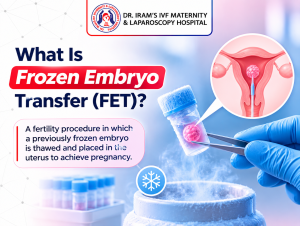
What Is Frozen Embryo Transfer (FET)?

When the couple is ready for another transfer, the frozen embryo is carefully thawed by the embryology team and transferred into the uterus.

Frozen Embryo Transfer in Bhopal may be considered when:

  • Suitable embryos are available from a previous IVF cycle.
  • A fresh embryo transfer was postponed.
  • The doctor recommends allowing time for recovery after ovarian stimulation.
  • The couple wants to use previously frozen embryos.
  • Additional embryos remain after an earlier IVF attempt.
  • The medical team recommends a later transfer based on the patient’s condition.

FET does not generally require another ovarian stimulation and egg retrieval cycle because the embryos have already been created and frozen.

Why Is Frozen Embryo Transfer Recommended?

There are several medical and personal reasons why a fertility specialist may recommend frozen embryo transfer instead of fresh embryo transfer.

1. Embryos Are Available from a Previous IVF Cycle

During IVF treatment, more than one suitable embryo may develop. If some embryos are not transferred during the initial cycle, they may be frozen for future use. This allows couples to consider another transfer without repeating egg collection and fertilisation.

2. The Uterine Lining Needs More Time

Sometimes the uterine lining may not be considered suitable for immediate embryo transfer. Hormonal changes during ovarian stimulation can influence the endometrial environment. In such situations, the doctor may recommend freezing suitable embryos and planning a transfer during a later cycle.

3. Prevention or Management of Ovarian Hyperstimulation Syndrome

Some women may develop or have an increased risk of Ovarian Hyperstimulation Syndrome (OHSS) following ovarian stimulation. When clinically indicated, the fertility specialist may recommend freezing all suitable embryos and postponing transfer until the patient has recovered.

4. Additional Medical Evaluation Is Required

Certain patients may need further investigations or treatment before embryo transfer. For example, the doctor may recommend evaluating the uterine cavity, reviewing hormonal levels, or addressing a medical condition before proceeding.

5. Family Planning and Fertility Preservation

Embryo freezing may also allow couples to preserve embryos for future family planning. These embryos can potentially be used later, subject to applicable consent requirements and medical considerations.

How Does the Frozen Embryo Transfer Procedure Work?

The FET process involves several stages. The exact treatment plan depends on the woman’s menstrual cycle, previous IVF history, embryo development stage, and uterine health.

Step 1: Initial Consultation and Medical Review

The first step involves reviewing the patient’s previous IVF treatment records and frozen embryo details.

The fertility specialist may evaluate:

  • Previous IVF cycle reports.
  • Number of frozen embryos.
  • Embryo development stage.
  • Previous embryo transfer history.
  • Menstrual cycle pattern.
  • Hormonal reports.
  • Uterine health.
  • Medical history and current medications.

This assessment helps determine the appropriate FET protocol.

Step 2: Preparation of the Uterine Lining

The endometrium is the inner lining of the uterus where the embryo needs to implant. Before embryo transfer, the doctor evaluates the thickness and development of the uterine lining. Preparation may be performed through a natural cycle or a medicated cycle. In a natural cycle, the doctor monitors the patient’s natural ovulation. In a medicated cycle, hormonal medicines such as oestrogen and progesterone may be prescribed to prepare the endometrium.

Step 3: Ultrasound and Hormonal Monitoring

The fertility team may perform transvaginal ultrasound scans and blood tests to monitor the uterine lining and hormonal response. These investigations help determine whether the endometrium is developing appropriately for embryo transfer. The timing of the transfer is planned according to the embryo’s developmental stage and the patient’s hormonal preparation.

Step 4: Thawing of Frozen Embryos

. The embryology team evaluates the embryo after warming to determine whether it is suitable for transfer.

Step 5: Embryo Transfer

The selected embryo is transferred into the uterus using a thin, flexible catheter. The doctor gently passes the catheter through the cervix and places the embryo inside the uterine cavity. Ultrasound guidance may be used to help position the catheter. The procedure generally does not require general anaesthesia and is usually completed within a short period.

Step 6: Pregnancy Testing

After embryo transfer, the patient continues prescribed medications according to the doctor’s instructions. A blood test measuring beta-hCG is performed on the date advised by the fertility specialist to check for pregnancy. If the result is positive, further follow-up and ultrasound examinations are arranged to assess the developing pregnancy.

Types of Frozen Embryo Transfer Cycles

There are two commonly used approaches for preparing the uterus before FET: the natural cycle and the medicated cycle.

1. Natural Cycle Frozen Embryo Transfer

A natural FET cycle follows the woman’s natural menstrual and ovulation pattern.

This approach may be suitable for women who have regular menstrual cycles and predictable ovulation.

The process generally includes:

  • Monitoring the menstrual cycle.
  • Ultrasound examination of the ovaries and uterine lining.
  • Monitoring ovulation through blood or urine tests.
  • Determining the appropriate transfer date.
  • Thawing and transferring the embryo at the correct time.

Some patients may also receive progesterone support depending on their medical history and treatment plan.

2. Medicated Frozen Embryo Transfer

A medicated FET cycle uses hormonal medicines to prepare the uterine lining for embryo implantation.

This approach may be recommended for women with irregular menstrual cycles, unpredictable ovulation, or other medical requirements.

The process generally includes:

  • Starting the prescribed hormonal medication.
  • Monitoring the uterine lining through ultrasound.
  • Assessing the hormonal response.
  • Starting progesterone at the instructed time.
  • Scheduling embryo thawing and transfer according to the embryo’s developmental stage.

The doctor determines which approach is appropriate based on the patient’s medical condition and previous treatment history.

When Is the Best Time for Frozen Embryo Transfer?

The timing of FET is an important part of fertility treatment. The embryo needs to be transferred when the uterine lining is receptive and appropriately synchronised with the embryo’s developmental stage.

The timing depends on:

  • Whether the patient follows a natural or medicated cycle.
  • The date of ovulation.
  • The start of progesterone medication.
  • The developmental stage of the frozen embryo.
  • The thickness and appearance of the endometrium.
  • Previous treatment history.

For example, a Day 5 blastocyst transfer in a programmed cycle is commonly planned after approximately five full days of progesterone exposure, according to the clinic’s protocol. However, exact timing can vary according to the embryo stage, medication schedule, and clinical assessment. Patients should never change the timing of progesterone or other prescribed medicines without consulting their fertility specialist.

How to Prepare for Frozen Embryo Transfer?

Proper preparation can help patients follow the treatment schedule and attend all necessary appointments.

1. Complete the Recommended Medical Tests

The doctor may recommend ultrasound examinations, hormonal blood tests, and other investigations before starting FET. Previous IVF records and embryo freezing reports should also be reviewed.

2. Follow the Medication Schedule

Oestrogen and progesterone may be prescribed during a medicated FET cycle. Patients should take medicines at the prescribed dose and time. Missing or changing medication without medical advice can affect the treatment schedule.

3. Maintain a Balanced Diet

A balanced diet containing vegetables, fruits, whole grains, protein, and adequate fluids supports general health. There is no particular food that guarantees embryo implantation or pregnancy.

4. Avoid Smoking and Tobacco

Smoking and tobacco use can negatively affect reproductive health. Couples should discuss lifestyle changes with their doctor before treatment.

5. Maintain Healthy Daily Habits

Adequate sleep, regular gentle physical activity, and stress-management practices may support general well-being during fertility treatment.

6. Discuss Existing Medical Conditions

Patients should inform the fertility specialist about diabetes, thyroid disorders, blood pressure problems, allergies, and any medicines they are taking. Existing health conditions may require appropriate management before embryo transfer.

7. Understand the Procedure and Timing

Patients should ask their doctor about the planned embryo transfer date, medication schedule, embryo stage, and follow-up appointments. Being informed about each step can help reduce uncertainty during the treatment process.

What Happens After Frozen Embryo Transfer?

After the embryo has been transferred into the uterus, the patient enters the waiting period before pregnancy testing.

During this period, the embryo may implant into the uterine lining if the conditions are suitable.

The doctor may recommend:

  • Continuing prescribed progesterone or other hormonal medication.
  • Taking medicines at the same time every day.
  • Avoiding smoking and alcohol.
  • Maintaining normal daily activities as advised.
  • Attending the scheduled pregnancy test.
  • Reporting unusual or concerning symptoms.

Mild cramping or light spotting may occur in some patients. However, these symptoms cannot confirm whether implantation has occurred.

Severe abdominal pain, heavy bleeding, fever, or other concerning symptoms should be reported to the healthcare provider.

Patients should not stop hormonal medication simply because they experience spotting or have no pregnancy symptoms.

What Is the Difference Between Fresh Embryo Transfer and Frozen Embryo Transfer?

Fresh and frozen embryo transfers are both used in IVF treatment, but they take place at different stages.

Fresh Embryo Transfer Frozen Embryo Transfer
Embryo is transferred during the same IVF treatment cycle. Embryo is frozen and transferred during a later cycle.
Follows ovarian stimulation and egg retrieval. Uses an embryo created during an earlier cycle.
Takes place without embryo freezing for that particular transfer. Requires thawing a previously frozen embryo.
Timing depends on the stimulation and uterine response. Timing depends on natural ovulation or hormonal preparation.
May not be suitable when fresh transfer is medically inadvisable. Allows transfer to be postponed when clinically appropriate.

Neither approach is automatically better for every patient. The choice depends on individual medical findings, embryo availability, and the fertility specialist’s recommendation.

What Are the Benefits of Frozen Embryo Transfer?

When clinically appropriate, FET offers several potential advantages.

1. Avoids Repeating Egg Retrieval

The patient does not generally need another ovarian stimulation and egg collection procedure for an FET using previously frozen embryos.

2. Allows Flexible Treatment Timing

Embryo transfer can be scheduled during a later menstrual cycle when the patient is medically and emotionally ready.

3. Provides Time for Medical Evaluation

The doctor may have additional time to evaluate uterine health and address medical concerns before transfer.

4. Supports Use of Previously Frozen Embryos

Embryos remaining from an earlier IVF cycle may be used for another pregnancy attempt or future family planning.

5. May Reduce Certain Risks

For selected patients at increased risk of OHSS, a freeze-all approach followed by later FET can reduce the risk associated with immediate fresh embryo transfer.

The benefits vary from patient to patient, and FET does not guarantee pregnancy.

What Are the Possible Risks of Frozen Embryo Transfer?

Frozen embryo transfer is commonly performed in fertility treatment, but it may involve certain risks.

These include:

  • An embryo may not survive the thawing process.
  • Embryo implantation may not occur.
  • Pregnancy may not develop despite transfer.
  • Ectopic pregnancy may occur.
  • Multiple pregnancy may occur, particularly when more than one embryo is transferred.
  • Hormonal medicines may cause side effects.
  • Rare complications may occur during the treatment process.

The doctor explains the relevant risks, embryo transfer plan, and available alternatives before proceeding.

How Successful Is Frozen Embryo Transfer?

The success of FET varies depending on several factors.

Important factors include:

  • Woman’s age when the eggs were collected.
  • Embryo quality and developmental stage.
  • Chromosomal status, if tested.
  • Uterine health.
  • Endometrial preparation.
  • Previous fertility treatment history.
  • Other medical conditions.

The age at which the eggs were collected is particularly relevant because egg quality is influenced by maternal age at the time of retrieval.

Embryo survival after thawing, implantation, and pregnancy outcomes can also vary.

A fertility specialist can discuss individual expectations using the patient’s medical records and embryo information. No single success percentage applies to every patient.
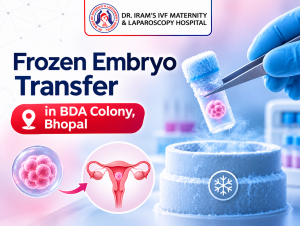
Frozen Embryo Transfer in BDA Colony, Bhopal

Couples searching for Frozen Embryo Transfer in BDA Colony, Bhopal may want to understand the procedure, preparation, medication, and appropriate timing before using their frozen embryos.

Dr. Iram Ajaz is associated with Dr. Iram’s IVF Maternity & Laparoscopy Hospital in Bhopal. The hospital began its journey in 2013 with a vision to support couples facing fertility challenges. During a fertility consultation, patients can discuss their previous IVF treatment, frozen embryo records, menstrual cycle, and medical history. The decision to proceed with FET depends on embryo availability, uterine preparation, and the patient’s overall medical condition.

IVF Centre in Shahpura, Bhopal

Couples looking for an IVF Centre in Shahpura, Bhopal may be exploring options for using embryos preserved during a previous IVF cycle. Frozen embryos can provide another opportunity for embryo transfer without repeating the complete egg retrieval and fertilisation process. Patients should understand the embryo freezing method, storage arrangements, thawing process, and the medical requirements before scheduling treatment. A detailed consultation helps determine whether a natural or medicated FET cycle may be appropriate.

IVF Specialist in Gulmohar Colony, Bhopal

Patients searching for an IVF Specialist in Gulmohar Colony, Bhopal may have questions about embryo implantation, uterine lining preparation, progesterone medication, and transfer timing. A fertility specialist reviews previous treatment reports and evaluates the uterine environment before recommending embryo transfer. Patients should also discuss any previous unsuccessful embryo transfers, irregular periods, or underlying medical conditions. The treatment schedule should always be individualised according to the patient’s reproductive health.

IVF Clinic in Trilanga, Bhopal

Couples searching for an IVF Clinic in Trilanga, Bhopal may want to understand how frozen embryos are stored and used during a later fertility treatment cycle. Embryos are generally preserved using vitrification and stored in specialised liquid nitrogen storage systems. When the patient is ready, the embryology team follows the planned warming procedure and evaluates the embryo before transfer. The doctor coordinates the transfer timing with the patient’s natural or medicated cycle.

Fertility Treatment in Arera Colony, Bhopal

People looking for Fertility Treatment in Arera Colony, Bhopal may need guidance about different fertility treatment options, including IVF, IUI, and frozen embryo transfer. The appropriate approach depends on the cause of infertility, previous treatment results, age, and reproductive health. Couples who already have frozen embryos may not need another complete IVF cycle before considering an embryo transfer. A medical consultation helps determine the next suitable step.

IVF Centre near Kolar Road, Bhopal

Couples searching for an IVF Centre near Kolar Road, Bhopal may want information about frozen embryo storage, laboratory facilities, embryo thawing, and transfer procedures. Before choosing a fertility centre, patients should understand the available laboratory facilities, embryo storage arrangements, treatment protocols, counselling, and follow-up care. They should also ask about the estimated treatment costs and whether medication, embryo storage, thawing, and transfer are included in the treatment plan. The choice of a fertility centre should be based on medical suitability and the quality of care.

Dr. Iram’s IVF Maternity & Laparoscopy Hospital – Bhopal

Dr. Iram’s IVF Maternity & Laparoscopy Hospital began its journey in 2013 with a vision to support couples experiencing fertility challenges.The hospital focuses on coordinated medical care, patient guidance, and helping individuals understand their available treatment options. Couples considering fertility treatment can discuss their reproductive health, previous IVF reports, and treatment requirements with the appropriate medical team.

FAQs – Frozen Embryo Transfer (FET)

1. What is Frozen Embryo Transfer (FET)?

Frozen Embryo Transfer is a fertility procedure in which an embryo created during an earlier IVF cycle is frozen, stored, thawed, and transferred into the uterus during a later cycle.

2. How long does a frozen embryo transfer procedure take?

The complete FET preparation cycle may take several weeks, depending on whether a natural or medicated protocol is used. The actual embryo transfer procedure is generally short and does not usually require general anaesthesia.

3. Is frozen embryo transfer painful?

Most patients experience little discomfort during embryo transfer. Some may experience mild cramping when the catheter is inserted. The procedure is generally performed without general anaesthesia.

4. When is the best time for frozen embryo transfer?

The transfer is scheduled when the uterine lining is appropriately prepared and synchronised with the embryo’s developmental stage. The exact timing depends on the patient’s cycle and treatment protocol.

5. What medications are used before FET?

Depending on the treatment plan, doctors may prescribe oestrogen and progesterone to prepare and support the uterine lining. Medication and dosage vary according to individual requirements.

6. Can frozen embryos survive the thawing process?

Most embryos survive modern vitrification and warming procedures, but not every embryo is guaranteed to survive. The embryology team evaluates the embryo after thawing before transfer.

7. Is bed rest necessary after frozen embryo transfer?

Prolonged bed rest is generally not required after an uncomplicated embryo transfer. Patients can usually return to normal light activities according to their doctor’s advice.

8. When can I take a pregnancy test after FET?

A beta-hCG blood test is generally performed on the date advised by the fertility specialist, often around 9–14 days after transfer depending on the embryo stage and clinic protocol.

9. Is frozen embryo transfer better than fresh embryo transfer?

Neither procedure is universally better. The choice depends on the patient’s medical condition, embryo availability, uterine preparation, and risk factors. The fertility specialist recommends the appropriate option.

10. Who should I consult for frozen embryo transfer in Bhopal?

Couples can consult an appropriately qualified fertility specialist to discuss their frozen embryo records, uterine health, medication requirements, and transfer timing. Dr. Iram Ajaz is associated with Dr. Iram’s IVF Maternity & Laparoscopy Hospital in Bhopal.

Conclusion – What Is Frozen Embryo Transfer (FET)?

Frozen Embryo Transfer is a fertility procedure that allows couples to use embryos preserved during a previous IVF cycle. It involves careful preparation of the uterine lining, appropriate hormonal support, embryo thawing, and transfer at the right time. Understanding the different FET protocols, preparation requirements, and possible risks helps couples make informed decisions about their fertility treatment.

Dr. Iram Ajaz, Obstetrician and Gynecologist, and Dr. Shahid Hassan, Expert Laparoscopic and General Surgeon, are associated with Dr. Iram’s IVF Maternity & Laparoscopy Hospital in Bhopal. Couples should discuss their individual fertility history, embryo quality, and treatment options with a qualified fertility specialist before proceeding with frozen embryo transfer.
Starting an IVF journey can bring hope, expectations, and many questions for couples experiencing fertility challenges. One of the most common questions is how many IVF cycles may be needed to achieve pregnancy. Some couples conceive during their first IVF attempt, while others may require two or more cycles depending on their age, reproductive health, embryo quality, and underlying fertility conditions.

IVF Treatment in Bhopal offers couples an opportunity to explore assisted reproductive techniques when natural conception has not been successful or when specific medical conditions affect fertility. However, the number of IVF cycles required is different for every individual. There is no fixed number that guarantees pregnancy, and treatment outcomes depend on several medical factors.

Dr. Iram Ajaz is an Obstetrician and Gynecologist based in Bhopal and the visionary behind Dr. Iram’s IVF Maternity & Laparoscopy Hospital. The hospital began its journey in 2013 with a vision to support couples facing fertility challenges. Its medical team includes Dr. Shahid Hassan, an Expert Laparoscopic and General Surgeon specialising in piles, fissure, fistula, and hernia treatments.

Understanding how IVF cycles work, what influences success rates, and when another attempt may be considered can help couples make informed decisions about their treatment.

Dr. Iram Ajaz – Obstetrician and Gynecologist in Bhopal

Dr. Iram Ajaz is an Obstetrician and Gynecologist based in Bhopal, Madhya Pradesh. She is the visionary behind Dr. Iram’s IVF Maternity & Laparoscopy Hospital, which began its journey in 2013 with the aim of supporting couples experiencing fertility challenges.

The hospital focuses on providing fertility-related evaluation, treatment guidance, and coordinated patient care. Its approach includes explaining medical information, discussing available treatment options, and helping couples understand the different stages involved in fertility treatment.

Couples looking for an IVF Centre in Shahpura, Bhopal may consider consulting a qualified fertility care team to understand their reproductive health and available treatment options.

Choosing an appropriate fertility centre involves considering the doctor’s qualifications, the clinical team’s experience, available laboratory facilities, treatment protocols, and the quality of communication throughout the process.

Dr. Shahid Hassan – Laparoscopic and General Surgeon in Bhopal

Dr. Shahid Hassan is an Expert Laparoscopic and General Surgeon associated with Dr. Iram’s IVF Maternity & Laparoscopy Hospital. His areas of specialisation include the evaluation and surgical management of piles, anal fissure, fistula, and hernia.

His surgical specialities include:

  • Laparoscopic Surgery
  • General Surgery
  • Piles Treatment
  • Anal Fissure Treatment
  • Fistula Treatment
  • Hernia Treatment

Patients experiencing symptoms related to these conditions may consult a general surgeon for proper evaluation and guidance regarding suitable treatment options.

Having doctors from different medical specialities associated with the hospital provides patients with access to different areas of medical care. Dr. Iram Ajaz focuses on Obstetrics, Gynecology, and fertility-related care, while Dr. Shahid Hassan specialises in laparoscopic and general surgical conditions.

Both doctors have distinct clinical roles within the hospital’s medical team.

What Is IVF Treatment?

In Vitro Fertilization (IVF) is an assisted reproductive technology in which eggs are collected from the ovaries and fertilized with sperm in a laboratory. The resulting embryos are monitored, and a suitable embryo may be transferred into the uterus.

IVF Treatment in Bhopal may be considered for couples experiencing different fertility problems, including blocked fallopian tubes, ovulation disorders, male-factor infertility, endometriosis, or unexplained infertility.

The IVF process generally involves several stages:

  1. Ovarian stimulation.
  2. Monitoring of follicle development.
  3. Egg retrieval.
  4. Fertilization in the laboratory.
  5. Embryo development and assessment.
  6. Embryo transfer, when appropriate.
  7. Pregnancy testing and follow-up.

Not every IVF cycle follows exactly the same schedule. Some patients may require additional investigations, medication adjustments, or embryo freezing before proceeding with embryo transfer.

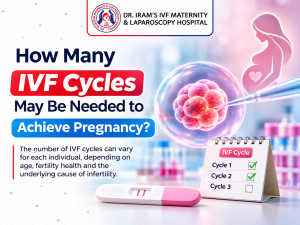
How Many IVF Cycles May Be Needed to Achieve Pregnancy?

There is no universal number of IVF cycles required to achieve pregnancy. Some couples may conceive after their first embryo transfer, while others may need multiple attempts.

The number of attempts depends on factors such as:

  • Woman’s age.
  • Ovarian reserve and egg quality.
  • Sperm quality.
  • Embryo development and quality.
  • Uterine health.
  • Underlying fertility conditions.
  • Previous IVF treatment outcomes.
  • Response to fertility medications.

When discussing IVF Treatment in Bhopal, it is important to understand that one unsuccessful cycle does not automatically mean that future attempts will also be unsuccessful.

A fertility specialist reviews the results of the previous cycle before recommending another attempt. The doctor may evaluate the ovarian response, number of eggs retrieved, fertilization results, embryo development, and uterine conditions.

1. First IVF Cycle – Understanding the Initial Response

The first IVF cycle provides important information about how the patient’s body responds to fertility medication and how the eggs develop. During this cycle, the doctor monitors ovarian follicles, determines the appropriate time for egg retrieval, and evaluates fertilization and embryo development. Some couples achieve pregnancy during their first attempt. Others may not achieve the expected result, but the treatment provides useful information for planning the next steps.

2. Second IVF Cycle – Reviewing and Adjusting Treatment

If the first IVF attempt does not result in pregnancy, the doctor may review the treatment response and identify possible reasons. Depending on the findings, adjustments may be considered in medication dosage, stimulation protocols, timing, or embryo transfer planning. Patients seeking an IVF Specialist in Gulmohar Colony, Bhopal should understand that repeating the same treatment without reviewing the previous cycle may not always be appropriate. A personalised treatment plan helps address individual fertility factors rather than following an identical approach for every patient.

3. Third IVF Cycle – Further Evaluation

If pregnancy has not occurred after two attempts, additional evaluation may be recommended.

The fertility specialist may review:

  • Ovarian reserve.
  • Egg development.
  • Fertilization rates.
  • Embryo quality.
  • Uterine cavity.
  • Endometrial thickness.
  • Previous embryo transfer details.
  • Male fertility factors.

The doctor may also discuss whether additional investigations or changes in the treatment approach are appropriate.

4. More Than Three IVF Cycles – Individualised Planning

Some couples may require more than three IVF cycles, depending on their medical circumstances. However, continuing treatment should always involve a careful discussion about expected benefits, risks, emotional well-being, and financial considerations. An IVF Clinic in Trilanga, Bhopal may be considered by couples seeking information about repeated IVF attempts and fertility evaluation.

There is no requirement for every couple to complete a fixed number of IVF cycles. The decision to continue, modify, or pause treatment should be made after reviewing individual medical findings.

Factors That Affect the Number of IVF Cycles Needed

Several factors influence how many IVF attempts may be required before achieving pregnancy.

1. Woman’s Age

Age is one of the important factors affecting IVF outcomes. As women grow older, ovarian reserve and egg quality may decline. This can influence the number of eggs retrieved, embryo development, and the likelihood of pregnancy. Younger women generally have better average IVF outcomes than older women, although individual results vary. Age-related fertility changes should be discussed early during an IVF Treatment in Bhopal consultation so that couples can understand their available options.

2. Ovarian Reserve

Ovarian reserve refers to the quantity of eggs remaining in the ovaries. Tests such as AMH (Anti-Müllerian Hormone) and antral follicle count may help assess ovarian reserve. A lower ovarian reserve may affect the number of eggs obtained during stimulation. However, ovarian reserve alone cannot determine whether a woman will or will not achieve pregnancy through IVF.

3. Egg Quality

Egg quality plays an important role in fertilization and embryo development. Chromosomal abnormalities in eggs become more common with increasing maternal age.

A fertility specialist evaluates the response during ovarian stimulation and reviews the laboratory findings before planning further treatment.

4. Sperm Quality

Sperm count, motility, and morphology can influence fertilization. Male-factor infertility may require additional evaluation and treatment planning.

In selected cases, a specialised laboratory technique called ICSI (Intracytoplasmic Sperm Injection) may be considered.

5. Embryo Quality

Embryo development is an important part of the IVF process. Embryos are assessed in the laboratory according to their developmental stage and appearance.

However, embryo appearance alone cannot guarantee implantation or a successful pregnancy.

6. Uterine Health

The uterus provides the environment in which an embryo implants and develops. Fibroids affecting the uterine cavity, polyps, adhesions, or other abnormalities may need evaluation.

Depending on the patient’s medical history, ultrasound, hysteroscopy, or other investigations may be recommended before embryo transfer.

7. Previous IVF History

Previous treatment outcomes provide valuable information. The number of eggs retrieved, fertilization rate, embryo development, and previous transfer results help the specialist understand what changes may be appropriate.

Couples considering Fertility Treatment in Arera Colony, Bhopal should share their previous investigation reports and IVF records during consultation.

How Is an IVF Cycle Performed?

Understanding the IVF process can help couples prepare for treatment and know what to expect at each stage.

Step 1: Initial Fertility Consultation

The doctor reviews the couple’s medical history, duration of infertility, previous treatments, menstrual history, and reproductive health.

Investigations may include:

  • AMH testing.
  • Hormonal blood tests.
  • Pelvic ultrasound.
  • Semen analysis.
  • Uterine evaluation.
  • Other tests based on medical requirements.

The findings help the doctor determine whether IVF is appropriate.

Step 2: Ovarian Stimulation

Fertility medications are prescribed to stimulate the ovaries to develop multiple follicles rather than the single egg generally released during a natural menstrual cycle. The response is monitored through ultrasound examinations and sometimes blood tests.

Step 3: Egg Retrieval

When the follicles reach an appropriate stage, a trigger medication is administered according to the treatment plan. Egg retrieval is generally performed using an ultrasound-guided procedure under suitable pain relief or anaesthesia. The collected eggs are sent to the laboratory for assessment.

Step 4: Fertilization

The retrieved eggs are combined with sperm in the laboratory. Depending on the clinical situation, conventional IVF or ICSI may be used.

The embryology team monitors fertilization and subsequent embryo development.

Step 5: Embryo Development

Fertilized eggs develop into embryos over the following days. The embryology team evaluates their development and identifies embryos that may be suitable for transfer or freezing.

Step 6: Embryo Transfer

A selected embryo is transferred into the uterus through a thin catheter. The procedure is generally performed without abdominal surgery.

Sometimes a fresh embryo transfer is planned, while in other situations embryos may be frozen for a later transfer.

Step 7: Pregnancy Test

A blood test measuring beta-hCG is generally performed at the time recommended by the fertility team.

A positive result indicates pregnancy hormone detection, but further ultrasound evaluation is needed to assess the pregnancy.

Diagnostic Evaluation Before IVF Treatment

A detailed medical evaluation is important before starting fertility treatment. It helps identify possible causes of infertility and determine the appropriate treatment approach. Depending on the patient’s history, investigations may include hormonal testing, ovarian reserve assessment, semen analysis, ultrasound, and uterine evaluation.

Some patients may also require assessment of reproductive organs or treatment of specific medical conditions before proceeding with IVF. Dr. Iram Ajaz focuses on Obstetrics and Gynecology, while Dr. Shahid Hassan specialises in laparoscopic and general surgical conditions. Their respective specialities address different medical concerns within the hospital.

Does Every IVF Cycle Include an Embryo Transfer?

No. An IVF cycle does not always proceed to embryo transfer. Sometimes the cycle may be cancelled because of an inadequate ovarian response, or egg retrieval may not result in suitable embryos. In other situations, the doctor may recommend freezing all suitable embryos and planning a frozen embryo transfer later. This is why couples should understand the difference between an ovarian stimulation cycle, an egg retrieval cycle, and an embryo transfer attempt.

What Is the Difference Between an IVF Cycle and an Embryo Transfer?

An IVF cycle generally refers to the treatment process involving ovarian stimulation and egg retrieval. Embryo transfer is a separate stage in which an embryo is placed into the uterus. One egg retrieval cycle may produce multiple embryos. These embryos may be transferred individually in separate fresh or frozen transfer attempts, depending on their suitability and the patient’s medical condition.

For example, a patient may undergo one egg retrieval and have additional frozen embryos available for future transfers.Therefore, the number of embryo transfers does not always equal the number of complete ovarian stimulation cycles.

Can Pregnancy Occur in the First IVF Attempt?

Yes, pregnancy can occur during the first IVF attempt. However, success is not guaranteed. The outcome depends on several factors, including maternal age, embryo quality, ovarian reserve, sperm health, and uterine conditions. Some couples may achieve pregnancy after their first transfer, while others may need additional attempts. A consultation for IVF Treatment in Bhopal can help couples understand their individual fertility profile and the factors that may influence treatment outcomes. It is important to avoid comparing one couple’s IVF journey with another because fertility conditions and treatment responses differ.

What Happens If the First IVF Cycle Fails?

An unsuccessful IVF cycle can be emotionally difficult for couples. However, it does not always mean that pregnancy will not be possible in the future.

The next step is usually to review the previous treatment cycle carefully.

The doctor may consider:

  • Whether ovarian stimulation was adequate.
  • How many mature eggs were collected.
  • Whether fertilization occurred successfully.
  • How embryos developed.
  • Whether embryo transfer was performed.
  • Whether any uterine concerns were identified.
  • Whether further investigations are required.

Depending on the findings, the treatment protocol may be modified or another approach may be recommended.

Patients looking for an IVF Specialist in Gulmohar Colony, Bhopal should discuss the reasons for the unsuccessful attempt and understand the possible benefits and limitations of another cycle.

How Can Couples Prepare for IVF Treatment?

Preparing for IVF involves medical evaluation as well as lifestyle considerations.

Some helpful steps include:

  1. Maintain a balanced and nutritious diet.
  2. Avoid smoking and tobacco.
  3. Limit or avoid alcohol as advised by the doctor.
  4. Maintain a healthy body weight.
  5. Follow prescribed medications.
  6. Attend all monitoring appointments.
  7. Share previous medical reports with the fertility specialist.
  8. Discuss existing medical conditions and medications.
  9. Maintain realistic expectations about treatment outcomes.
  10. Seek emotional support when needed.

These steps may support general reproductive health, but they cannot guarantee IVF success.

Is IVF Treatment Safe?

IVF is an established fertility treatment, but it involves medications and medical procedures that may have potential risks.

Possible complications include:

  • Ovarian Hyperstimulation Syndrome (OHSS).
  • Bleeding or infection associated with egg retrieval.
  • Complications related to sedation or anaesthesia.
  • Multiple pregnancy, particularly when more than one embryo is transferred.
  • Ectopic pregnancy.
  • Emotional and financial stress.

The fertility specialist discusses relevant risks and preventive measures before treatment begins.

Patients exploring IVF Treatment in BDA Colony, Bhopal should understand the complete treatment plan, expected monitoring, and possible complications before starting an IVF cycle.

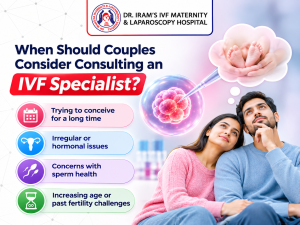
When Should Couples Consider Consulting an IVF Specialist?

Couples should consider fertility evaluation when pregnancy does not occur after:

  • 12 months of regular unprotected intercourse if the woman is below 35 years.
  • 6 months if the woman is 35 years or older.
  • Earlier evaluation when the woman is above 40 years or when known fertility problems are present.

Earlier consultation may also be appropriate for women with irregular periods, suspected endometriosis, blocked fallopian tubes, or a history of reproductive health problems.

Male partners should also undergo fertility evaluation because infertility can involve either or both partners.

An IVF Clinic in Trilanga, Bhopal may be considered by couples who want to understand the available fertility investigations and treatment options.

IVF Treatment in BDA Colony, Bhopal

Couples searching for IVF Treatment in BDA Colony, Bhopal may have questions about the number of cycles required, treatment success, embryo transfer, and the overall IVF process. Dr. Iram Ajaz is the Obstetrician and Gynecologist behind Dr. Iram’s IVF Maternity & Laparoscopy Hospital in Bhopal. The hospital began its journey in 2013 and focuses on supporting couples through fertility-related evaluation and treatment.

During a consultation, couples can discuss their infertility history, previous investigations, and treatment expectations. The medical team can help explain the possible treatment pathway based on individual findings. The hospital also has Dr. Shahid Hassan, an Expert Laparoscopic and General Surgeon specialising in piles, fissure, fistula, and hernia treatments. The number of IVF cycles required should be assessed according to age, ovarian reserve, embryo development, and other fertility-related factors.

IVF Centre in Shahpura, Bhopal

Couples searching for an IVF Centre in Shahpura, Bhopal may be exploring fertility treatment options after experiencing difficulty conceiving. IVF involves several stages, and understanding each stage can help patients prepare for the process. A detailed evaluation of both partners is important before deciding whether IVF or another fertility treatment is appropriate. Patients should discuss the expected treatment timeline, available procedures, laboratory facilities, and follow-up arrangements with the fertility care team. Dr. Iram’s IVF Maternity & Laparoscopy Hospital has been supporting patients since its establishment in 2013.

IVF Specialist in Gulmohar Colony, Bhopal

Patients looking for an IVF Specialist in Gulmohar Colony, Bhopal may need guidance about repeated IVF attempts, low ovarian reserve, embryo quality, or previous unsuccessful transfers. A fertility specialist evaluates the reasons behind previous treatment outcomes before recommending another attempt. The consultation may involve reviewing hormonal reports, ultrasound findings, semen analysis, and previous IVF records. An individualised approach helps couples understand the available options and make informed decisions about their reproductive health.

IVF Clinic in Trilanga, Bhopal

Couples searching for an IVF Clinic in Trilanga, Bhopal may want to understand how many IVF cycles are generally required and what influences the chances of pregnancy. There is no fixed number of cycles suitable for every couple. Some patients may conceive after the first attempt, while others may require further evaluation and treatment. The doctor may recommend changes in medication protocols or additional investigations depending on the previous cycle results. Understanding the difference between egg retrieval and embryo transfer is also important when planning repeated IVF treatment.

Fertility Treatment in Arera Colony, Bhopal

People searching for Fertility Treatment in Arera Colony, Bhopal may be experiencing infertility due to hormonal problems, ovulation disorders, male-factor infertility, or unexplained causes. Fertility treatment begins with identifying the possible reason for difficulty conceiving. Depending on the diagnosis, treatment may include medication, ovulation induction, IUI, or IVF. Not every couple needs IVF as the first treatment option. The recommended approach depends on the patient’s age, fertility history, and medical findings. A proper fertility assessment helps determine which treatment may be suitable.

IVF Centre near Kolar Road, Bhopal

Couples searching for an IVF Centre near Kolar Road, Bhopal may want to compare fertility treatment options and understand the facilities available at different centres. Before starting treatment, patients should ask about the fertility specialist’s qualifications, embryology laboratory standards, treatment protocols, counselling, and follow-up care. They should also understand the estimated cost of treatment and whether additional procedures or frozen embryo transfers may involve separate expenses. Choosing a fertility centre should involve medical suitability and quality of care rather than location alone.

Summary

The number of IVF cycles required to achieve pregnancy varies from couple to couple. Some women may conceive during their first IVF attempt, while others may need additional cycles or embryo transfers. Age, ovarian reserve, egg quality, sperm health, embryo development, uterine conditions, and previous treatment outcomes all influence IVF results.

An unsuccessful first attempt does not automatically mean that future treatment will fail. Reviewing the previous cycle and understanding the underlying fertility factors can help guide further decisions. Dr. Iram Ajaz, Obstetrician and Gynecologist, and Dr. Shahid Hassan, Laparoscopic and General Surgeon, are associated with Dr. Iram’s IVF Maternity & Laparoscopy Hospital in Bhopal. Their respective specialities address different medical needs. The most appropriate number of IVF cycles should always be determined through an individual medical evaluation.

FAQs – How Many IVF Cycles May Be Needed to Achieve Pregnancy?

1. How many IVF cycles are usually needed to achieve pregnancy?

There is no fixed number of IVF cycles required. Some couples achieve pregnancy during their first attempt, while others may need two or more cycles depending on age, ovarian reserve, embryo quality, and other fertility factors.

2. Can I get pregnant in the first IVF cycle?

Yes, pregnancy is possible during the first IVF cycle. However, success depends on individual fertility conditions, egg and sperm quality, embryo development, and uterine health.

3. Does a failed first IVF cycle mean I cannot get pregnant?

No. An unsuccessful first IVF attempt does not mean future attempts will also fail. The doctor may review the previous cycle and recommend suitable changes or further investigations.

4. Is the second IVF cycle more successful than the first?

Not necessarily. Success depends on individual medical factors and the results of the previous cycle. Treatment adjustments may be considered when clinically appropriate.

5. How much time should I wait before another IVF cycle?

The waiting period depends on the patient’s recovery, ovarian response, medical history, and treatment plan. Some patients may proceed after their next menstrual cycle, while others may need additional time.

6. Does age affect the number of IVF cycles needed?

Yes. Age influences egg quality and ovarian reserve, which can affect IVF outcomes. Generally, fertility outcomes decline with increasing maternal age, although individual results vary.

7. Can one IVF egg retrieval produce multiple embryos?

Yes. One egg retrieval may produce multiple fertilized embryos. Suitable embryos may be transferred individually or frozen for future use, depending on the treatment plan.

8. What happens if IVF fails three times?

The fertility specialist may recommend a detailed review of previous cycles, embryo development, uterine health, and other reproductive factors. Further treatment should be planned according to the findings.

9. How do I choose an IVF centre in Bhopal?

Consider the doctor’s qualifications, fertility treatment experience, embryology laboratory facilities, treatment transparency, patient counselling, and follow-up arrangements before choosing a centre.

10. Who should I consult for IVF treatment in BDA Colony, Bhopal?

Couples can consult Dr. Iram Ajaz, associated with Dr. Iram’s IVF Maternity & Laparoscopy Hospital in Bhopal, to discuss fertility concerns, medical investigations, and available treatment options.

Conclusion – How Many IVF Cycles May Be Needed to Achieve Pregnancy?

The number of IVF cycles needed to achieve pregnancy cannot be predicted accurately for every couple. While some patients conceive after their first attempt, others may require additional treatment cycles or frozen embryo transfers.

A detailed fertility evaluation, appropriate treatment planning, and regular medical monitoring are important throughout the IVF journey. Dr. Iram Ajaz, Obstetrician and Gynecologist, and Dr. Shahid Hassan, Expert Laparoscopic and General Surgeon, are associated with Dr. Iram’s IVF Maternity & Laparoscopy Hospital in Bhopal. Their respective specialities support different areas of medical care.

Couples should discuss their individual medical condition and previous treatment results with a qualified fertility specialist before deciding on the next IVF attempt.

For many couples, starting a family is one of life’s most meaningful dreams. While many conceive naturally within the first year of trying, some couples may experience difficulty achieving pregnancy despite having regular, unprotected intercourse. In such situations, the first and most important step is a comprehensive Infertility Workup in Bhopal, which helps identify the underlying causes of infertility before beginning fertility treatment.

Many couples feel anxious when they hear the word “infertility.” However, infertility is a medical condition that can affect both men and women, and identifying the exact cause is essential for choosing the most appropriate treatment. Rather than beginning advanced fertility procedures immediately, doctors first recommend a detailed fertility evaluation to understand reproductive health, hormonal balance, ovulation, sperm quality, and other important factors affecting conception.

At Dr. Iram’s IVF Hospital, one of the leading IVF Centres in Bhopal, couples receive compassionate, personalized, and evidence-based fertility care. Through advanced diagnostic facilities, experienced fertility specialists, and comprehensive infertility workup, the hospital helps couples understand their reproductive health and begin the most suitable fertility treatment with confidence.

Best IVF Centre in Bhopal – Dr. Iram’s IVF Hospital

The journey toward parenthood is unique for every couple. At Dr. Iram’s IVF Hospital, fertility care begins with careful evaluation rather than assumptions. Every couple undergoes a personalized infertility assessment to identify the specific factors affecting conception, allowing fertility specialists to recommend the most appropriate treatment plan.

The hospital believes that successful fertility treatment starts with an accurate diagnosis. A comprehensive infertility workup often helps identify conditions that can be treated effectively before moving toward assisted reproductive techniques.

Dr. Iram’s IVF Hospital provides complete fertility evaluation for:

✔ Female infertility assessment

✔ Male infertility evaluation

✔ Hormonal investigations

✔ Ovulation assessment

✔ Semen analysis

✔ Ultrasound evaluation

✔ Tubal patency assessment

✔ Ovarian reserve testing

✔ Genetic evaluation (when indicated)

✔ Fertility counseling

✔ IVF and IUI planning

✔ Recurrent pregnancy loss evaluation

Every fertility treatment plan is designed according to the individual medical needs of each couple.

About Dr. Iram’s IVF Hospital

The decision to have a baby is one of the most emotional and meaningful milestones in life. For many couples, the journey to parenthood may involve unexpected challenges, but hope, compassionate care, and expert medical guidance can make that journey easier.

Established in 2013, Dr. Iram’s IVF Hospital has grown into one of the respected fertility centers in India, offering comprehensive reproductive healthcare under one roof. The hospital is committed to providing ethical, evidence-based, and patient-centered fertility care while supporting couples through every stage of their fertility journey.

The experienced fertility team understands that infertility affects not only physical health but also emotional well-being. By combining advanced fertility technology with compassionate counseling and individualized treatment planning, the hospital helps couples move closer to their dream of becoming parents.

Dr. Iram’s IVF Hospital offers:

✔ Comprehensive infertility evaluation

✔ Personalized fertility treatment

✔ Advanced reproductive technologies

✔ Modern diagnostic facilities

✔ Experienced fertility specialists

✔ Compassionate patient care

✔ One-stop fertility services

✔ Ethical and transparent treatment approach

The hospital’s mission is to make fertility care accessible, supportive, and scientifically guided for every couple seeking parenthood.


Meet Dr. Iram Ajaz & Fertility Team

Dr. Iram Ajaz is a highly experienced Obstetrician and Gynecologist and the visionary behind Dr. Iram’s IVF Hospital in Bhopal. With years of experience in women’s reproductive health and infertility management, she has helped countless couples navigate the challenges of infertility through comprehensive evaluation and advanced fertility treatments.

Supported by a multidisciplinary team of fertility specialists, embryologists, counselors, and trained healthcare professionals, Dr. Iram’s IVF Hospital provides coordinated fertility care under one roof.

The fertility team specializes in:

✔ Female infertility management

✔ Male infertility evaluation

✔ IVF (In Vitro Fertilization)

✔ IUI (Intrauterine Insemination)

✔ Ovulation induction

✔ Fertility preservation

✔ Reproductive endocrinology

✔ Pregnancy care after fertility treatment

✔ Recurrent pregnancy loss evaluation

Their collaborative approach ensures that every patient receives personalized attention, detailed counseling, and evidence-based fertility care throughout the treatment process.


Why Choose Dr. Iram’s IVF Hospital?

Selecting the right fertility center is an important decision for couples planning infertility treatment. Dr. Iram’s IVF Hospital focuses on accurate diagnosis, individualized care, and comprehensive fertility services to improve the chances of successful treatment.

Couples choose Dr. Iram’s IVF Hospital because of:

✔ Established fertility center since 2013

✔ Experienced fertility specialists

✔ Comprehensive infertility workup

✔ Advanced fertility diagnostics

✔ IVF & IUI expertise

✔ Personalized treatment plans

✔ Modern laboratory facilities

✔ Ethical fertility practices

✔ Compassionate patient support

✔ Complete reproductive healthcare under one roof

The goal is to help every couple receive the right diagnosis before starting fertility treatment, ensuring that treatment decisions are based on accurate medical findings.


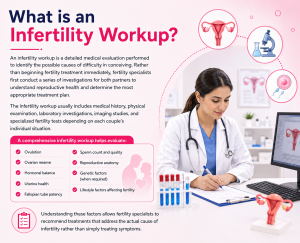
What is an Infertility Workup?

An infertility workup is a detailed medical evaluation performed to identify the possible causes of difficulty in conceiving. Rather than beginning fertility treatment immediately, fertility specialists first conduct a series of investigations for both partners to understand reproductive health and determine the most appropriate treatment plan.

The infertility workup usually includes medical history, physical examination, laboratory investigations, imaging studies, and specialized fertility tests depending on each couple’s individual situation.

A comprehensive infertility workup helps evaluate:

✔ Ovulation

✔ Ovarian reserve

✔ Hormonal balance

✔ Uterine health

✔ Fallopian tube patency

✔ Sperm count and quality

✔ Reproductive anatomy

✔ Genetic factors (when required)

✔ Lifestyle factors affecting fertility

Understanding these factors allows fertility specialists to recommend treatments that address the actual cause of infertility rather than simply treating symptoms.


Why is an Infertility Workup Important Before Fertility Treatment?

Beginning fertility treatment without identifying the underlying cause may reduce the effectiveness of treatment and delay pregnancy. A detailed infertility evaluation helps fertility specialists understand why conception is not occurring and allows them to select the most appropriate treatment.

An infertility workup helps:

✔ Identify the cause of infertility

✔ Detect hormonal disorders

✔ Evaluate egg quality and ovarian reserve

✔ Assess sperm health

✔ Examine uterine and fallopian tube health

✔ Detect ovulation problems

✔ Diagnose reproductive disorders

✔ Guide appropriate fertility treatment

✔ Improve treatment success rates

✔ Avoid unnecessary procedures

A proper fertility assessment ensures that each couple receives personalized treatment based on their unique reproductive health rather than following a generalized approach.


Who Should Get an Infertility Evaluation?

Couples should consider an infertility workup if pregnancy has not occurred despite regular, unprotected intercourse for an appropriate period. Early evaluation can also be beneficial for individuals with known reproductive health concerns.

An infertility evaluation is generally recommended for:

✔ Couples trying to conceive for 12 months without success

✔ Women over 35 years trying for 6 months without pregnancy

✔ Women with irregular menstrual cycles

✔ Women with PCOS

✔ Women with endometriosis

✔ Women with recurrent miscarriages

✔ Men with abnormal semen analysis

✔ Men or women with previous reproductive surgeries

✔ Couples with unexplained infertility

✔ Individuals with known hormonal disorders

Seeking timely fertility evaluation allows early diagnosis and improves the chances of successful treatment by addressing underlying reproductive health issues before they become more complex.

What Tests Are Included in an Infertility Workup?

A complete infertility workup involves evaluating both partners because infertility can result from female factors, male factors, or a combination of both. The purpose of these investigations is to identify the exact reason for difficulty in conceiving and recommend the most appropriate fertility treatment.

Depending on individual medical history and symptoms, fertility specialists may recommend different tests.

The infertility workup may include:

✔ Detailed medical history

✔ Physical examination

✔ Hormonal evaluation

✔ Ovulation assessment

✔ Pelvic ultrasound

✔ Semen analysis

✔ Fallopian tube evaluation

✔ Ovarian reserve testing

✔ Blood investigations

✔ Genetic testing (when indicated)

✔ Additional fertility investigations based on individual needs

These tests provide valuable information about reproductive health and help fertility specialists develop a personalized treatment plan.

Female Fertility Evaluation

The female fertility assessment focuses on identifying conditions that may affect ovulation, egg quality, hormonal balance, uterine health, or fallopian tube function.

A comprehensive female fertility workup may include:

Medical History

The fertility specialist reviews:

✔ Menstrual cycle pattern

✔ Previous pregnancies

✔ Miscarriage history

✔ Previous surgeries

✔ Medical conditions

✔ Family history

✔ Lifestyle factors

✔ Current medications

Understanding the patient’s medical background helps guide further investigations.

Hormonal Blood Tests

Hormones play a vital role in fertility. Blood investigations help evaluate reproductive hormone levels and identify hormonal disorders.

Common hormonal tests include:

✔ FSH (Follicle Stimulating Hormone)

✔ LH (Luteinizing Hormone)

✔ AMH (Anti-Müllerian Hormone)

✔ Estradiol

✔ Progesterone

✔ Prolactin

✔ Thyroid Function Tests

✔ Blood Sugar Evaluation

These investigations help assess ovarian function and ovulation.

Ovulation Assessment

Regular ovulation is essential for natural conception.

Ovulation assessment may include:

✔ Menstrual history

✔ Follicular monitoring

✔ Ultrasound examination

✔ Hormonal evaluation

✔ Ovulation tracking

These tests help determine whether eggs are developing and being released normally.

Pelvic Ultrasound

Ultrasound is an important part of infertility evaluation because it helps assess the reproductive organs.

Pelvic ultrasound evaluates:

✔ Uterus

✔ Ovaries

✔ Endometrial thickness

✔ Ovarian follicles

✔ Fibroids

✔ Ovarian cysts

✔ Polycystic ovaries (PCOS)

This examination provides valuable information about reproductive anatomy.


Fallopian Tube Evaluation

Healthy fallopian tubes are essential because fertilization normally occurs inside the tubes.

Doctors may recommend investigations such as:

✔ HSG (Hysterosalpingography)

✔ Sonosalpingography

✔ Laparoscopy (when indicated)

These procedures help determine whether the fallopian tubes are open or blocked.


Ovarian Reserve Testing

Ovarian reserve refers to the quantity and quality of remaining eggs.

Assessment may include:

✔ AMH test

✔ Antral Follicle Count (AFC)

✔ Ultrasound evaluation

These tests help fertility specialists estimate reproductive potential and plan treatment accordingly.


Male Fertility Evaluation

Male infertility contributes to a significant proportion of infertility cases. Therefore, evaluation of the male partner is equally important during infertility workup.

The male fertility assessment generally includes:

✔ Medical history

✔ Physical examination

✔ Semen analysis

✔ Hormonal evaluation

✔ Genetic testing (when required)

✔ Ultrasound examination (selected cases)

Early evaluation allows many male fertility problems to be identified and managed appropriately.


Semen Analysis

Semen analysis is one of the most important investigations in male infertility evaluation.

The test assesses:

✔ Sperm count

✔ Sperm motility

✔ Sperm morphology

✔ Semen volume

✔ Sperm concentration

✔ Presence of infection

✔ Overall semen quality

Abnormal findings may require additional investigations or consultation with a fertility specialist.

Hormonal Evaluation in Men

Hormonal blood tests may be recommended if semen analysis suggests hormonal abnormalities.

These investigations may include:

✔ Testosterone

✔ FSH

✔ LH

✔ Prolactin

✔ Thyroid Function Tests

Hormonal evaluation helps identify endocrine disorders affecting sperm production.

Common Causes of Infertility

Infertility can result from a variety of medical conditions affecting either partner. Sometimes, more than one factor contributes to difficulty in conceiving.

Common Female Causes

✔ Polycystic Ovary Syndrome (PCOS)

✔ Endometriosis

✔ Blocked fallopian tubes

✔ Ovulation disorders

✔ Diminished ovarian reserve

✔ Uterine fibroids

✔ Hormonal imbalance

✔ Thyroid disorders

✔ Premature ovarian insufficiency


Common Male Causes

✔ Low sperm count

✔ Poor sperm motility

✔ Abnormal sperm morphology

✔ Hormonal imbalance

✔ Varicocele

✔ Genetic disorders

✔ Infections

✔ Lifestyle factors


Combined or Unexplained Causes

In some couples, infertility results from factors affecting both partners. In other cases, all investigations appear normal, and no specific cause is identified.

This is known as:

✔ Unexplained infertility

A detailed infertility workup helps fertility specialists choose the most appropriate treatment even in such situations.

Lifestyle Factors That Can Affect Fertility

Lifestyle habits can influence reproductive health in both men and women. Improving these factors may enhance natural fertility and improve the success of fertility treatments.

Important lifestyle factors include:

✔ Smoking

✔ Alcohol consumption

✔ Obesity

✔ Poor nutrition

✔ Lack of physical activity

✔ Chronic stress

✔ Sleep disturbances

✔ Exposure to environmental toxins

✔ Excessive caffeine intake

✔ Uncontrolled medical conditions

Healthy lifestyle modifications are often recommended alongside fertility treatment to support better reproductive outcomes.

Treatment Options After an Infertility Workup

Once the infertility evaluation is complete, fertility specialists develop an individualized treatment plan based on the identified cause.

Treatment options may include:

Lifestyle Modifications

✔ Healthy diet

✔ Weight management

✔ Exercise

✔ Stress reduction

✔ Smoking cessation


Fertility Medications

Medicines may be prescribed to:

✔ Stimulate ovulation

✔ Correct hormonal imbalance

✔ Improve reproductive function


Intrauterine Insemination (IUI)

IUI may be recommended for selected couples after appropriate fertility evaluation.

It involves:

✔ Processing healthy sperm

✔ Placing sperm inside the uterus during ovulation


In Vitro Fertilization (IVF)

IVF may be considered for couples with:

✔ Blocked fallopian tubes

✔ Severe male infertility

✔ Advanced maternal age

✔ Failed previous fertility treatments

✔ Unexplained infertility

Dr. Iram’s IVF Hospital provides comprehensive fertility treatment based on detailed infertility workup and individualized reproductive care.


Benefits of Early Infertility Assessment

Seeking fertility evaluation early offers several important advantages for couples planning pregnancy.

Early infertility workup may help:

✔ Identify fertility problems sooner

✔ Improve treatment success

✔ Reduce unnecessary delays

✔ Detect treatable conditions

✔ Preserve fertility when appropriate

✔ Guide personalized treatment

✔ Improve pregnancy outcomes

✔ Provide emotional reassurance

Early diagnosis allows couples to begin the most suitable fertility treatment at the right time, improving their chances of achieving a successful pregnancy.

Currently Serving Couples Across Bhopal

Dr. Iram’s IVF Hospital provides comprehensive fertility care for couples from Bhopal and nearby regions who are facing challenges in conceiving naturally. With advanced fertility diagnostics, personalized treatment plans, and compassionate care, the hospital supports couples throughout every stage of their parenthood journey.

The fertility team provides specialized care for:

✔ Female Infertility Evaluation

✔ Male Infertility Evaluation

✔ Comprehensive Infertility Workup

✔ Hormonal Assessment

✔ Ovulation Monitoring

✔ Semen Analysis

✔ Ovarian Reserve Testing

✔ Fallopian Tube Evaluation

✔ IVF (In Vitro Fertilization)

✔ IUI (Intrauterine Insemination)

✔ Fertility Preservation

✔ Recurrent Pregnancy Loss Evaluation

✔ PCOS-related Infertility

✔ Endometriosis-related Infertility

✔ Unexplained Infertility

✔ Pregnancy Care After Fertility Treatment

Couples from different parts of Bhopal choose Dr. Iram’s IVF Hospital for ethical fertility care, advanced reproductive technology, and personalized guidance designed to improve the chances of successful conception.

How to Improve Fertility Naturally Before Treatment

While medical treatment may be necessary for many couples, adopting healthy lifestyle habits before and during fertility treatment can support reproductive health and improve treatment outcomes.

Helpful lifestyle recommendations include:

✔ Maintain a healthy body weight

✔ Eat a balanced and nutritious diet

✔ Exercise regularly

✔ Avoid smoking and tobacco

✔ Limit alcohol consumption

✔ Manage stress through relaxation techniques

✔ Get adequate sleep

✔ Take prescribed vitamins and supplements

✔ Control diabetes and thyroid disorders

✔ Attend regular fertility consultations

Healthy lifestyle changes cannot treat every cause of infertility, but they can improve overall reproductive health and complement fertility treatment.

Common Myths About Infertility

Infertility is surrounded by many myths that can create unnecessary confusion and delay proper treatment. Understanding the facts helps couples make informed decisions about their reproductive health.

Myth 1: Infertility Is Always a Woman’s Problem

Fact: Infertility can affect both men and women. Male factors contribute to a significant percentage of infertility cases, which is why evaluation of both partners is essential.

Myth 2: IVF Is the First Treatment for Every Couple

Fact: IVF is not always the first step. Many couples achieve pregnancy with lifestyle modifications, medications, or IUI after a proper infertility workup identifies the underlying cause.

Myth 3: Young Couples Cannot Have Infertility

Fact: Although fertility generally declines with age, infertility can affect couples of any age due to hormonal disorders, reproductive conditions, or male fertility factors.

Myth 4: Stress Alone Causes Infertility

Fact: Stress may affect overall well-being, but infertility usually results from identifiable medical conditions affecting either partner. A comprehensive infertility workup helps determine the actual cause.

Myth 5: If You Already Have One Child, You Cannot Experience Infertility

Fact: Secondary infertility is a recognized condition where couples who previously conceived naturally experience difficulty becoming pregnant again.

Summary

An Infertility Workup in Bhopal is the most important first step before beginning fertility treatment. A detailed fertility evaluation helps identify the underlying causes of infertility in both partners, allowing fertility specialists to recommend the most suitable treatment rather than relying on a generalized approach. Investigations such as hormonal testing, ovulation assessment, ultrasound, ovarian reserve testing, fallopian tube evaluation, and semen analysis provide valuable information that guides personalized fertility care.

At Dr. Iram’s IVF Hospital, fertility treatment begins with accurate diagnosis, compassionate counseling, and individualized care. Whether a couple requires lifestyle modifications, fertility medications, IUI, IVF, or advanced reproductive technologies, a thorough infertility workup improves treatment planning and increases the chances of achieving a healthy pregnancy.

FAQs – Infertility Workup in Bhopal: The First Step Before Fertility Treatment

1. What is an infertility workup?

An infertility workup is a comprehensive medical evaluation of both partners that helps identify the underlying causes of infertility before starting fertility treatment.

2. When should couples undergo an infertility evaluation?

Couples should consider evaluation if pregnancy has not occurred after 12 months of regular, unprotected intercourse, or after 6 months if the woman is over 35 years of age.

3. Is infertility testing necessary for both partners?

Yes. Since infertility can affect both men and women, evaluating both partners provides a complete understanding of reproductive health and improves treatment planning.

4. What tests are commonly included in an infertility workup?

Common investigations include hormonal blood tests, ovulation assessment, pelvic ultrasound, ovarian reserve testing, fallopian tube evaluation, semen analysis, and additional fertility tests based on individual needs.

5. Can infertility be treated after the workup?

Yes. Depending on the diagnosis, treatment may include lifestyle modifications, fertility medications, ovulation induction, IUI, IVF, or other assisted reproductive techniques.

6. Does every couple with infertility require IVF?

No. Many couples conceive successfully with simpler treatments after a proper infertility evaluation identifies the underlying cause.

7. How long does an infertility workup take?

The duration varies depending on the investigations required. Some tests are completed within a few days, while others are scheduled according to the woman’s menstrual cycle.

8. Who should I consult for an infertility workup in Bhopal?

Dr. Iram Ajaz and the experienced fertility team at Dr. Iram’s IVF Hospital provide comprehensive infertility evaluation, personalized fertility treatment, and advanced reproductive care for couples planning parenthood.

Conclusion – Infertility Workup in Bhopal: The First Step Before Fertility Treatment

The journey to parenthood begins with understanding your reproductive health. An Infertility Workup in Bhopal is the essential first step before starting fertility treatment, as it helps identify the exact cause of infertility and allows fertility specialists to recommend the most appropriate treatment plan. Early evaluation not only improves treatment success but also helps avoid unnecessary procedures, saving valuable time and providing clarity for couples planning a family.

At Dr. Iram’s IVF Hospital, every couple receives compassionate, evidence-based fertility care supported by advanced diagnostic facilities and personalized treatment plans. From infertility evaluation and fertility counseling to IUI, IVF, and comprehensive reproductive healthcare, the experienced fertility team is committed to guiding couples with confidence, transparency, and hope throughout their parenthood journey.

Egg Freezing in Bhopal has become an increasingly popular fertility preservation option for women who wish to delay pregnancy without compromising their future chances of becoming a mother. Whether due to career goals, higher education, medical conditions, or waiting for the right time to start a family, many women are choosing egg freezing to protect their reproductive potential. Advances in reproductive medicine have made fertility preservation safer, more effective, and accessible than ever before.

At Dr. Iram’s IVF Hospital, one of the leading IVF Centres in Bhopal, women receive comprehensive fertility assessment, personalized counselling, and advanced egg freezing services using modern cryopreservation technology. Our experienced fertility specialists guide every patient through the entire fertility preservation process, helping them make informed decisions about their reproductive future with confidence and peace of mind.

Many women believe fertility remains the same throughout life, but female fertility naturally declines with age. Understanding how egg freezing works, who can benefit from it, and when to consider fertility preservation can help women make timely decisions that improve their future family planning options.


What Is Egg Freezing?

Egg Freezing, also known as Oocyte Cryopreservation, is an advanced fertility preservation technique in which a woman’s healthy eggs are collected, frozen, and safely stored for future use.

The frozen eggs remain preserved until the woman decides she is ready to become pregnant. At that time, the eggs can be thawed, fertilized with sperm through IVF, and transferred into the uterus.

Egg freezing allows women to preserve younger, healthier eggs, which may improve the chances of pregnancy later in life.


Why Is Fertility Preservation Becoming More Common?

Today, many women choose to delay pregnancy for personal, professional, or medical reasons. As age increases, both the number and quality of eggs naturally decline, making conception more difficult.

Fertility Preservation in Bhopal is becoming increasingly important because egg freezing gives women greater reproductive flexibility without the immediate pressure of planning a pregnancy.

Women may choose fertility preservation because of:

  • Career planning
  • Higher education
  • Delayed marriage
  • Medical treatments such as chemotherapy
  • Endometriosis
  • Family history of early menopause
  • Personal choice
  • Fertility concerns

Preserving eggs at a younger age can significantly improve future pregnancy outcomes.


Who Should Consider Egg Freezing?

Egg freezing is not only for women facing infertility. It can also benefit women who wish to preserve their fertility before age-related decline or certain medical treatments.

You may consider Egg Freezing in Bhopal if you:

  • Want to delay pregnancy for personal reasons
  • Are focusing on career or higher education
  • Have been diagnosed with endometriosis
  • Are undergoing cancer treatment
  • Have low ovarian reserve
  • Have a family history of early menopause
  • Are planning fertility preservation before ovarian surgery
  • Want to preserve fertility before certain medical treatments

A fertility specialist can evaluate your reproductive health and help determine whether egg freezing is the right option for you.


What Is the Best Age for Egg Freezing?

Although egg freezing can be performed at different ages, fertility specialists generally recommend preserving eggs at a younger age because younger eggs have better quality and a higher chance of resulting in a healthy pregnancy later.

Many specialists suggest that the ideal age for egg freezing is between 25 and 35 years, when egg quality is usually at its best.

However, every woman is different. A fertility assessment can help determine the right timing based on ovarian reserve and overall reproductive health.


Benefits of Egg Freezing

Egg freezing offers several advantages for women planning their future families.

Some important benefits include:

  • Preserves fertility for future pregnancy
  • Maintains younger egg quality
  • Provides greater reproductive flexibility
  • Supports women undergoing cancer treatment
  • Reduces age-related fertility concerns
  • Helps with long-term family planning
  • Gives emotional reassurance for future parenthood

While egg freezing cannot guarantee pregnancy, it significantly improves future reproductive options when performed at the appropriate age.

How Is the Egg Freezing Procedure Performed?

The Egg Freezing Procedure is a well-planned fertility preservation process that is performed over a period of about two to three weeks. At Dr. Iram’s IVF Hospital, every step is carefully monitored to ensure patient safety and maximize the number of healthy eggs collected.

The procedure generally includes:

  • Fertility consultation and evaluation
  • Hormonal blood tests
  • Ultrasound assessment of the ovaries
  • Ovarian stimulation with fertility medications
  • Regular follicle monitoring
  • Egg retrieval procedure
  • Advanced cryopreservation (freezing) of mature eggs

The egg retrieval procedure is performed under mild anesthesia and usually takes about 20–30 minutes. Most women can return home the same day and resume normal activities within a short period.


Is Egg Freezing Safe?

One of the most common concerns women have is whether egg freezing is safe.

Modern Egg Freezing in Bhopal is considered a safe and well-established fertility preservation technique when performed by experienced fertility specialists. The procedure has helped thousands of women worldwide preserve their fertility for future family planning.

Some women may experience temporary side effects such as:

  • Mild abdominal discomfort
  • Bloating
  • Cramping
  • Temporary pelvic pain
  • Mild spotting after egg retrieval

These symptoms usually improve within a few days. Serious complications are uncommon when the procedure is performed in a specialized fertility center.


What Is the Success Rate of Egg Freezing?

The success of egg freezing depends on several important factors, including:

  • Woman’s age at the time of freezing
  • Number of eggs preserved
  • Egg quality
  • Overall reproductive health
  • Quality of the IVF laboratory

Women who freeze their eggs at a younger age generally have higher chances of achieving a successful pregnancy in the future.

Although egg freezing significantly improves future fertility options, no fertility treatment can guarantee pregnancy. An experienced fertility specialist can provide realistic expectations based on individual circumstances.


When Should You Consult a Fertility Specialist?

Many women wait until they experience fertility problems before consulting a specialist. However, discussing fertility preservation early allows women to make informed decisions while more reproductive options are available.

You should consider consulting a fertility specialist if you:

  • Are planning to delay pregnancy
  • Have irregular menstrual cycles
  • Have been diagnosed with PCOS or Endometriosis
  • Have a low ovarian reserve
  • Are preparing for cancer treatment
  • Have a family history of early menopause
  • Wish to preserve fertility before ovarian surgery

Early fertility evaluation can help determine whether egg freezing is the right choice for your future family planning goals.


Why Choose Dr. Iram’s IVF Hospital for Egg Freezing in Bhopal?

Women looking for Egg Freezing in Bhopal trust Dr. Iram’s IVF Hospital because of its patient-centered approach, advanced reproductive technology, and experienced fertility specialists.

Patients choose Dr. Iram’s IVF Hospital because of:

  • Experienced Fertility Specialists
  • Advanced Egg Freezing Technology
  • Modern IVF Laboratory
  • Personalized Fertility Counselling
  • Comprehensive Fertility Evaluation
  • Ethical and Transparent Treatment
  • High Standards of Patient Care
  • Complete Fertility Services Under One Roof

Every treatment plan is designed according to the patient’s age, reproductive health, and future family planning goals, ensuring compassionate and individualized care throughout the journey.

Summary

Egg Freezing in Bhopal has become an important fertility preservation option for women who want to delay pregnancy without compromising their future chances of becoming a mother. Whether the decision is based on career goals, medical treatment, personal circumstances, or age-related fertility decline, freezing healthy eggs at the right time can provide greater reproductive flexibility. While egg freezing cannot guarantee pregnancy in the future, preserving eggs at a younger age significantly improves the chances of successful conception later in life.

At Dr. Iram’s IVF Hospital, women receive personalized fertility counselling, comprehensive reproductive evaluation, advanced egg freezing technology, and compassionate support throughout the fertility preservation journey. Our experienced fertility specialists help every woman understand her reproductive health and make informed decisions with confidence.


Frequently Asked Questions (FAQs)

Who should consider egg freezing?

Egg freezing is recommended for women who wish to delay pregnancy, are undergoing cancer treatment, have PCOS, low ovarian reserve, endometriosis, or want to preserve fertility before age-related decline.

What is the best age for egg freezing?

Most fertility specialists recommend freezing eggs between the ages of 25 and 35, as egg quality and quantity are generally highest during these years.

Is the egg freezing procedure painful?

The egg retrieval procedure is performed under mild anesthesia, so most women experience little or no pain during the procedure. Mild discomfort or bloating may occur for a few days afterward.

How long can frozen eggs be stored?

Frozen eggs can be safely stored for many years using advanced cryopreservation techniques without significant loss of quality.

Does egg freezing guarantee pregnancy?

No. Egg freezing improves future fertility options, but pregnancy depends on several factors such as the woman’s age at freezing, egg quality, overall reproductive health, and embryo development.

Is egg freezing safe?

Yes. Egg freezing is considered a safe and well-established fertility preservation procedure when performed by experienced fertility specialists using modern laboratory techniques.


Conclusion

Egg Freezing in Bhopal offers women the opportunity to preserve their fertility and make future family planning decisions with greater confidence. As more women choose to balance their personal, professional, and medical priorities, fertility preservation has become an important part of reproductive healthcare. Consulting a fertility specialist at the right time allows women to understand their fertility potential and explore the best options for their future.

At Dr. Iram’s IVF Hospital, our experienced fertility team combines advanced reproductive technology with personalized, ethical, and compassionate care to support every woman’s parenthood journey. Whether you are considering egg freezing for medical reasons or personal planning, timely fertility preservation can help protect your future reproductive choices and provide peace of mind.

When Aditi, a 30-year-old marketing professional, received an offer to work abroad she was excited — but soon began worrying about delaying motherhood. After discussing options with Dr. Iram Aijaz Fertility Specialist in Bhopal, she learned about fertility preservation and felt a new sense of control. Today, thousands of men and women like Aditi choose fertility preservation to secure future family plans while continuing careers, undergoing medical treatment, or pursuing personal goals. This blog explains the Fertility Preservation Procedure simply and engagingly so you can make an informed choice.


What is the Fertility Preservation Procedure?

Fertility preservation involves medical techniques used to freeze eggs, sperm, or embryos for future use. Under the guidance of a Fertility Specialist in Bhopal, this procedure helps individuals protect their reproductive potential and plan pregnancy at a time that feels right, without the pressure of age-related fertility decline.


There Are Three Main Types of Fertility Preservation Procedure

Fertility preservation procedures help individuals protect their ability to have biological children in the future. Under the guidance of an experienced Fertility Specialist in Bhopal, these procedures include options like egg, sperm, or embryo freezing, allowing patients to plan parenthood with confidence despite medical conditions, age-related concerns, or personal life choices.

1. Egg Freezing

This involves collecting mature eggs from the ovaries and freezing them for future use.

2. Sperm Freezing

A more straightforward process, where semen samples are collected, analyzed, and frozen for later use.

3. Embryo Freezing

In this method, eggs and sperm are fertilized in a lab to form embryos, which are then frozen for future pregnancy attempts.


Why Freeze Your Eggs or Sperm?

People choose to freeze eggs or sperm for medical, emotional, or personal reasons. Fertility preservation helps individuals who wish to delay parenthood or protect their reproductive health before medical treatments. Consulting a Fertility Specialist in Bhopal allows proper guidance and informed decisions about future family planning.


Reasons for Egg Freezing

  • To delay motherhood while focusing on career or personal goals.
  • Because of medical conditions such as endometriosis.
  • Prior to cancer treatments like chemotherapy, which can harm ovarian function.
  • When ovarian reserve is low.
  • Due to a family history of early menopause.

Reasons for Sperm Freezing

  • When cancer treatment may reduce sperm production.
  • For men with low sperm count who want to preserve options.
  • For those in occupations with chemical exposure or risk of injury.
  • Before upcoming surgeries that could affect fertility.
  • As a way to plan for future parenthood.

The Egg Freezing Process

1. Initial Consultation

First, your Fertility Specialist in Bhopal reviews medical history, hormone levels, and ovarian reserve. In many cases, Dr. Iram Aijaz, Gynecologist in Bhopal, explains the steps clearly so patients feel confident moving forward.

2. Ovarian Stimulation

Next, hormone injections are given over approximately 10–12 days to encourage multiple eggs to mature.

3. Egg Retrieval

Then a short, generally well-tolerated outpatient procedure uses ultrasound guidance to collect the eggs.

4. Egg Freezing

After retrieval, eggs are frozen using vitrification — a rapid freezing method that reduces ice-crystal damage.

5. Storage

Finally, the frozen eggs are stored securely in specialized labs until you decide to use them.


Factors Affecting Egg and Sperm Quality

Healthy eggs and sperm play a vital role in successful conception. Their quality is influenced by factors such as age, lifestyle habits, underlying medical conditions, and environmental exposure. Guidance from a Fertility Specialist in Bhopal helps individuals understand these influences, make informed reproductive choices, and take steps to improve fertility health and future pregnancy outcomes.

Factors Affecting Egg Quality

  • Age (older age generally means lower quality).
  • Hormone levels and ovarian reserve.
  • Lifestyle factors such as stress, smoking, and alcohol.
  • Nutrition and overall health.
  • Underlying medical conditions.

Factors Affecting Sperm Quality

  • Repeated exposure to heat or toxic chemicals.
  • Smoking, excessive alcohol, and poor diet.
  • Chronic stress or unhealthy lifestyle habits.
  • Certain medications that can impair sperm production.
  • Medical illnesses affecting reproductive health.

Thawing and Using Frozen Eggs or Sperm

When someone decides to start a family, frozen eggs or sperm are carefully thawed and typically used during IVF or ICSI cycles. A Fertility Specialist in Bhopal walks couples through preparation, which can improve the chance of a successful pregnancy.


Cost of Egg and Sperm Freezing

Costs for fertility preservation in Bhopal vary depending on consultations, number of cycles, laboratory and storage fees, and medication needs. Therefore, your Fertility Specialist in Bhopal will give a personalized cost breakdown based on the chosen treatment plan.


FAQ (Descriptive & Keyword-Optimized)

1. What is Fertility Preservation in Bhopal and who should consider it?
Fertility preservation in Bhopal means freezing eggs, sperm, or embryos for later use. Anyone delaying pregnancy, preparing for cancer treatment, or experiencing fertility concerns should consult a Fertility Specialist in Bhopal.

2. How does a Fertility Specialist in Bhopal help during egg or sperm freezing?
A Fertility Specialist in Bhopal evaluates fertility status, recommends the right preservation method, explains risks and benefits, and monitors each stage to ensure safety and effectiveness.

3. Is Fertility Preservation in Bhopal safe for long-term storage?
Yes. Clinics offering fertility preservation in Bhopal use advanced freezing techniques and storage protocols; a competent Fertility Specialist in Bhopal supervises the process to maintain sample integrity over time.

4. Does age matter when visiting a Fertility Specialist in Bhopal for preservation?
Absolutely. Younger patients generally have higher-quality eggs and sperm, so the earlier you consult a Fertility Specialist in Bhopal, the better your preservation prospects.

5. Can a Gynecologist like Dr. Iram Aijaz help with Fertility Preservation in Bhopal?
Yes. Dr. Iram Aijaz, Gynecologist in Bhopal, collaborates with fertility centers to advise patients on timing, methods, and realistic expectations, and can refer you to a trusted Fertility Specialist in Bhopal.

Doctors perform in-vitro fertilization (IVF) to help couples conceive when natural conception is difficult. They combine eggs and sperm in a laboratory to create embryos and then place them in the uterus. IVF can help address fertility issues like blocked fallopian tubes, low sperm count, hormonal imbalances, or unexplained infertility. Understanding the process helps reduce anxiety and build confidence. Many couples now turn to IVF Treatment in Bhopal because it combines advanced medical care with a compassionate approach, giving new hope to those dreaming of parenthood.

Why Proper Guidance Matters For IVF Journey Successful

IVF is not only a medical process it’s also an emotional journey filled with anticipation, hope, and sometimes fear. The right guidance can make the path smoother and more reassuring.

Specialists providing IVF Treatment in Bhopal focus on open communication, personalized care, and emotional support. Clear explanations and step-by-step guidance help couples understand the process better, preparing them mentally and physically for every stage.

The Step by Step IVF Process

Couples choosing IVF Treatment in Bhopal are guided through each stage carefully to ensure comfort and confidence. Here’s what the journey typically looks like:

1. Consultation and Diagnosis

Doctors evaluate medical history and run fertility tests to identify challenges and design a customized treatment plan.

2. Ovarian Stimulation

Fertility medications help the ovaries produce multiple eggs, increasing the chances of fertilization.

3. Egg Retrieval

Once the eggs mature, doctors collect them through a safe, minimally invasive procedure.

4. Fertilization in the Lab

Laboratory specialists combine the eggs with sperm under controlled conditions to create embryos.

5. Embryo Transfer

The doctor gently transfers a selected healthy embryo into the uterus for implantation.

6. Pregnancy Test and Follow-Up

After two weeks, doctors perform a pregnancy test to confirm whether the cycle was successful and continue to monitor care.

Each step of IVF Treatment in Bhopal is handled with precision, compassion, and constant support to make the journey as stress-free as possible.

Emotional Strength During the IVF Journey

Couples experience anticipation, hope, and sometimes worry during the IVF journey. Emotional well-being is just as important as medical treatment.

According to Dr. Iram Aijaz, staying emotionally balanced can greatly impact a couple’s IVF experience. She encourages couples to:

  • Stay connected and communicate openly
  • Seek counseling or support groups when needed
  • Keep realistic expectations
  • Focus on self-care and positive thoughts

The right emotional support, along with expert medical care, creates the perfect foundation for success.

A Journey of Hope: The Story of Meera and Aarav

Meera and Aarav had always dreamed of becoming parents. After years of disappointment, they decided to explore IVF Treatment in Bhopal under the care of Dr. Iram Aijaz.

From the very first consultation, Dr. Iram’s kind approach and clear explanations helped them regain hope. She guided them through each stage from ovarian stimulation to embryo transfer with empathy and encouragement.

Months later, Meera and Aarav’s dream came true when they welcomed a healthy baby girl. Their story reminds us that with patience, guidance, and modern fertility care, hope can truly become reality.

Tips for a Successful IVF Journey

Every couple’s experience is unique, but a few simple habits can make a big difference during IVF Treatment in Bhopal:

  1. Stay Positive: Believe in the process and take one step at a time.
  2. Follow Medical Advice: Stick to the treatment plan and attend all appointments.
  3. Maintain a Healthy Lifestyle: Balanced diet, proper rest, and mild exercise help support the body.
  4. Ask Questions: Don’t hesitate to discuss doubts with your doctor.
  5. Be Patient: Each cycle is different; success sometimes takes time.

These small yet powerful steps can help couples move through the process with clarity and strength.

FAQs About IVF Treatment in Bhopal

1. Is IVF painful?

Most parts of the procedure are minimally invasive. Egg retrieval might cause mild discomfort, but anesthesia ensures safety and ease.

2. How long does an IVF cycle take?

A typical cycle lasts 4–6 weeks, though it can vary depending on the individual.

3. What is the success rate?

Success depends on age, overall health, and fertility conditions. Couples who receive IVF Treatment in Bhopal benefit from skilled professionals and modern facilities that improve the likelihood of success.

4. Why choose IVF in Bhopal?

Bhopal offers advanced medical technology, experienced fertility experts, and affordable treatment options—all in a supportive environment designed to reduce stress.

5. How many attempts do couples usually need?

Some couples conceive on their first attempt, while others may need multiple cycles. Every journey is unique, and consistent medical supervision helps optimize results.