
Starting an IVF journey is an important decision for couples who are experiencing difficulty conceiving. Before beginning treatment, preparing the body and understanding the medical requirements can help patients approach the process with greater confidence. Physical health, nutritional habits, hormonal balance, and existing medical conditions are all important considerations before starting fertility treatment.
IVF Treatment in Bhopal involves several stages, including fertility evaluation, ovarian stimulation, egg retrieval, fertilisation, embryo development, and embryo transfer. Preparing for these stages requires medical guidance and a personalised approach because every woman’s reproductive health and fertility history are different.
A healthy lifestyle cannot guarantee IVF success, but appropriate preparation can support general health and help identify medical conditions that may need attention before treatment.
Dr. Iram Ajaz is an Obstetrician and Gynecologist based in Bhopal and the visionary behind Dr. Iram’s IVF Maternity & Laparoscopy Hospital. The hospital began its journey in 2013 with a vision to support couples experiencing fertility challenges.
The hospital’s medical team also includes Dr. Shahid Hassan, an Expert Laparoscopic and General Surgeon specialising in piles, fissure, fistula, and hernia treatments. Understanding how to prepare before IVF, which medical tests may be required, what foods to include, and which habits to avoid can help couples make informed decisions about their fertility journey.
Dr. Iram Ajaz – Obstetrician and Gynecologist in Bhopal
Dr. Iram Ajaz is an Obstetrician and Gynecologist based in Bhopal, Madhya Pradesh. She is the visionary behind Dr. Iram’s IVF Maternity & Laparoscopy Hospital, which began its journey in 2013.
The hospital focuses on fertility-related evaluation, treatment guidance, and coordinated patient care. Its approach involves helping couples understand reproductive health concerns, available treatment options, and the different stages of fertility treatment.
Couples searching for an IVF Centre in Shahpura, Bhopal may consider consulting a qualified fertility care team to understand their medical condition and available treatment options.
Proper consultation before IVF helps identify individual health concerns and determine whether additional investigations or medical preparation are required.
Dr. Shahid Hassan – Laparoscopic and General Surgeon in Bhopal
Dr. Shahid Hassan is an Expert Laparoscopic and General Surgeon associated with Dr. Iram’s IVF Maternity & Laparoscopy Hospital.
His areas of specialisation include:
- Laparoscopic Surgery
- General Surgery
- Piles Treatment
- Anal Fissure Treatment
- Fistula Treatment
- Hernia Treatment
Patients experiencing symptoms related to these conditions may consult a general surgeon for proper examination, diagnosis, and discussion of suitable treatment options.
Dr. Iram Ajaz and Dr. Shahid Hassan have different medical specialities. Dr. Iram Ajaz focuses on Obstetrics, Gynecology, and fertility-related care, while Dr. Shahid Hassan specialises in laparoscopic and general surgical conditions.
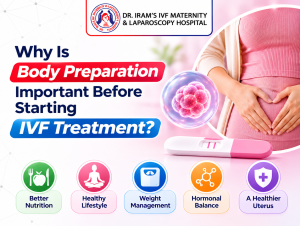
Why Is Body Preparation Important Before Starting IVF Treatment?
Preparing the body before IVF is important because fertility treatment involves hormonal medications, medical procedures, and several stages of reproductive development.
A woman’s overall health may influence how her body responds to fertility medications and pregnancy. Similarly, male reproductive health plays an important role in fertilisation and embryo development.
Before beginning IVF Treatment in Bhopal, couples should discuss their medical history, lifestyle habits, previous fertility treatments, and any existing health conditions with their doctor.
Preparation may help with:
- Identifying hormonal imbalances.
- Evaluating ovarian reserve.
- Assessing sperm health.
- Managing existing medical conditions.
- Reviewing nutritional requirements.
- Identifying medication-related concerns.
- Understanding the IVF treatment process.
- Planning the appropriate treatment schedule.
It is important to remember that even with good preparation, IVF outcomes cannot be guaranteed. Age, egg quality, sperm quality, embryo development, and other medical factors also influence treatment outcomes.
1. Follow a Balanced and Nutritious Diet
Nutrition is an important part of preparing for pregnancy. A balanced diet provides essential nutrients that support general health and reproductive functions.
Women preparing for IVF should focus on including different food groups in their daily meals.
Foods to Include Before IVF
Green Leafy Vegetables
Spinach, fenugreek leaves, broccoli, and other green vegetables provide folate, iron, and other essential nutrients.
Fresh Fruits
Oranges, apples, berries, guava, and seasonal fruits provide vitamins, minerals, and dietary fibre.
Protein-Rich Foods
Dal, beans, chickpeas, eggs, dairy products, fish, and other suitable protein sources support normal body functions.
Whole Grains
Oats, brown rice, whole wheat, and millets provide fibre and energy.
Healthy Fats
Nuts, seeds, olive oil, and other unsaturated fat sources can be included as part of a balanced diet.
Foods to Limit
Patients may be advised to limit:
- Highly processed foods.
- Excessive sugary beverages.
- Foods containing large amounts of trans fats.
- Excessively fried foods.
- High amounts of caffeine.
There is no special IVF diet that guarantees embryo implantation or pregnancy. Nutritional choices should be based on individual health requirements.
2. Maintain a Healthy Body Weight
Body weight can influence reproductive health and pregnancy outcomes. Both significantly higher and lower body weight may be associated with fertility-related concerns. Women with obesity may experience ovulation problems, hormonal changes, and certain pregnancy complications. Being underweight may also affect menstrual cycles and ovulation.
Before starting IVF Treatment in Bhopal, a doctor may assess the patient’s Body Mass Index (BMI), medical history, and nutritional status. If weight management is recommended, it should be approached gradually with appropriate medical and nutritional guidance. Extreme dieting, skipping meals, or excessive exercise should be avoided. In addition, treatment should not automatically be delayed for weight loss without discussing the effect of advancing maternal age and other fertility factors with the specialist.
3. Start Folic Acid After Medical Consultation
Folic acid is an important B vitamin that supports the development of the baby’s brain and spinal cord during early pregnancy. Women planning pregnancy are generally advised to take 400 micrograms of folic acid daily, beginning at least one month before conception, unless a different dose is prescribed. Folic acid supplementation helps reduce the risk of neural tube defects. However, it does not directly guarantee IVF success. Before starting fertility treatment, patients should discuss prenatal vitamins and other nutritional supplements with their doctor. Women with certain medical conditions or risk factors may require a different folic acid dose under medical supervision.
4. Stop Smoking and Avoid Tobacco
Smoking and tobacco use can negatively affect reproductive health in both men and women. In women, smoking may affect ovarian function, egg quality, and reproductive outcomes. In men, tobacco use may influence sperm count, motility, and overall sperm health.
Couples preparing for IVF Treatment in Bhopal should discuss smoking cessation before starting the treatment cycle. It is also important to avoid passive smoking because exposure to tobacco smoke may affect general and reproductive health. Stopping tobacco use is a beneficial step for both partners before attempting pregnancy.
5. Avoid Alcohol and Recreational Drugs
Alcohol and recreational drugs may affect reproductive health and pregnancy outcomes. Women preparing for pregnancy should avoid alcohol, and couples should discuss any substance use with their healthcare provider. Recreational drugs should be avoided, and patients should seek medical support if stopping substance use is difficult. Avoiding these substances is an important part of preconception health preparation.
6. Review All Medicines and Supplements
Before starting IVF, patients should inform their doctor about every medication and supplement they currently use.
This includes:
- Prescription medicines.
- Over-the-counter medicines.
- Herbal preparations.
- Vitamins and minerals.
- Weight-management supplements.
- Hormonal medications.
- Medicines for thyroid disorders or diabetes.
Some medicines may need adjustment before pregnancy, while others may need to continue throughout treatment. Patients should never stop prescribed medicines independently. A medication review is especially important for women with diabetes, hypertension, thyroid disorders, epilepsy, or other chronic health conditions.
7. Get Your Hormonal Health Evaluated
Hormones play an important role in the menstrual cycle, ovulation, egg development, and reproductive health. Hormonal assessment before IVF helps doctors understand whether additional medical management may be required.
Depending on the patient’s medical history, the doctor may recommend:
AMH (Anti-Müllerian Hormone): Helps assess ovarian reserve.
FSH (Follicle-Stimulating Hormone): Helps evaluate ovarian function.
TSH (Thyroid-Stimulating Hormone): Helps assess thyroid function.
Prolactin: May be evaluated when menstrual irregularities or other symptoms suggest a possible hormonal concern.
Other hormonal tests may be recommended according to the patient’s condition. An appropriate fertility evaluation helps determine the treatment plan and whether any underlying hormonal problems need attention.
8. Check Your Ovarian Reserve and Reproductive Health
Ovarian reserve refers to the remaining egg supply in the ovaries. Its assessment can help predict how the ovaries may respond to fertility medications.
Common methods of evaluation include:
- AMH blood testing.
- Antral follicle count through ultrasound.
- FSH and estradiol testing when indicated.
Ovarian reserve tests do not directly measure egg quality or guarantee pregnancy. Maternal age remains an important factor in IVF outcomes.
The fertility specialist may also assess the uterus and fallopian tubes based on the patient’s medical history and previous investigations.
Women considering an IVF Specialist in Gulmohar Colony, Bhopal should discuss their menstrual history, previous pregnancy experiences, and fertility reports during their initial consultation.
9. Evaluate Male Fertility Before IVF
IVF preparation is not only about the woman’s health. Male reproductive health is equally important because sperm quality influences fertilisation and embryo development.
A semen analysis may be recommended to evaluate:
- Sperm concentration.
- Sperm motility.
- Sperm morphology.
- Semen volume.
Depending on the findings, additional tests may be suggested.
Men can also support their general reproductive health by avoiding tobacco, limiting exposure to harmful substances, maintaining a balanced diet, and following healthy lifestyle habits. Both partners should participate in the fertility evaluation rather than focusing only on the woman’s reproductive health.
10. Manage Existing Medical Conditions
Certain medical conditions may influence fertility treatment and pregnancy outcomes. Before IVF, it is important to identify and appropriately manage existing health problems.
Thyroid Disorders
Thyroid hormones influence several body functions, including reproductive health. Women with thyroid disorders may require monitoring and medication adjustments before pregnancy.
Diabetes
Blood glucose levels should be reviewed and appropriately managed before pregnancy. Uncontrolled diabetes may increase the risk of pregnancy complications.
High Blood Pressure
Women with hypertension may require medical assessment and review of their medications before starting fertility treatment.
PCOS
Polycystic Ovary Syndrome may affect ovulation and ovarian response during fertility treatment. Patients with PCOS may require an individualised ovarian stimulation protocol.
Endometriosis
Endometriosis may affect reproductive health and can be associated with infertility. The doctor may evaluate the condition and discuss appropriate treatment options.
Patients searching for Fertility Treatment in Arera Colony, Bhopal should discuss existing medical conditions before beginning an IVF cycle.
11. Maintain Regular Physical Activity
Physical activity supports general health, weight management, and cardiovascular fitness.
Women preparing for IVF may benefit from moderate activities such as:
- Walking.
- Gentle yoga.
- Light stretching.
- Swimming, if medically appropriate.
- Other low-impact exercises.
The intensity of exercise should depend on the patient’s health and stage of treatment. During ovarian stimulation, the ovaries may become enlarged. The fertility team may recommend avoiding high-impact activities, jumping, or strenuous exercise to reduce the risk of complications such as ovarian torsion. Patients should follow their doctor’s activity instructions throughout the treatment cycle.
12. Maintain Proper Sleep and Manage Stress
Preparing for IVF can involve emotional pressure, uncertainty, medical appointments, and financial considerations.
Sleep and emotional well-being are important parts of overall health.
Some helpful habits include:
- Maintaining a regular sleep schedule.
- Getting adequate sleep.
- Practising relaxation techniques.
- Taking gentle walks.
- Spending time with supportive family members.
- Discussing concerns with the fertility care team.
- Seeking professional counselling when needed.
Stress management may improve emotional well-being, but patients should not blame themselves if an IVF cycle is unsuccessful. Stress alone is not an established explanation for IVF failure.
13. Complete Necessary Medical Tests Before IVF
Before starting treatment, the doctor may recommend several investigations depending on the patient’s medical history and clinic protocol.
These may include:
| Medical Test | Purpose |
|---|---|
| AMH Test | Assesses ovarian reserve |
| FSH and Estradiol | Evaluates selected hormonal parameters |
| TSH | Assesses thyroid function |
| Pelvic Ultrasound | Evaluates uterus and ovaries |
| Antral Follicle Count | Estimates the number of small ovarian follicles |
| Semen Analysis | Evaluates sperm parameters |
| Blood Glucose or HbA1c | Assesses blood sugar control when indicated |
| Infectious Disease Screening | Checks for relevant infections before treatment |
| Uterine Evaluation | Identifies abnormalities when clinically indicated |
Not every patient requires every test. The fertility specialist decides which investigations are appropriate.
14. Understand the IVF Treatment Process
Knowing the different stages of IVF can help couples prepare mentally and practically.
Step 1: Initial Consultation
The doctor reviews the medical history of both partners, previous treatments, menstrual cycles, and fertility concerns.
Step 2: Ovarian Stimulation
Hormonal medications are prescribed to stimulate the ovaries to develop multiple follicles.
Step 3: Follicular Monitoring
Ultrasound examinations and sometimes blood tests help monitor follicle development and response to medication.
Step 4: Egg Retrieval
Mature eggs are collected through an ultrasound-guided procedure under appropriate pain relief or anaesthesia.
Step 5: Fertilisation
Eggs are fertilised with sperm in the laboratory using conventional IVF or ICSI, depending on the clinical situation.
Step 6: Embryo Development
The embryology team monitors fertilisation and embryo development.
Step 7: Embryo Transfer
A suitable embryo may be transferred into the uterus during the same cycle or in a later frozen embryo transfer cycle.
Step 8: Pregnancy Testing
A beta-hCG blood test is performed on the date recommended by the fertility specialist.
Understanding these stages helps couples prepare for appointments, medication schedules, and follow-up visits.
15. Prepare Emotionally and Financially for IVF
IVF treatment may involve multiple appointments, medication schedules, laboratory procedures, and follow-up visits.
Couples should discuss the complete treatment plan before starting.
Important points to consider include:
- Estimated treatment expenses.
- Medication costs.
- Additional laboratory procedures.
- Embryo freezing and storage costs, if applicable.
- Time required for appointments.
- Possible additional treatment cycles.
- Emotional support and counselling.
An open discussion with the medical team can help couples understand the process and plan accordingly.
When Should You Start Preparing for IVF?
Ideally, couples should consult a fertility specialist before beginning an IVF cycle rather than waiting until the first day of ovarian stimulation. Preparation time varies depending on the patient’s health, medical history, and investigation results.
Some patients may be ready to begin treatment after initial evaluation, while others may need additional time to manage existing conditions or complete recommended investigations. Women above 35 years, particularly those approaching or over 40, should discuss treatment timing carefully because fertility generally declines with age. Couples should not postpone a fertility consultation unnecessarily while trying to achieve an ideal lifestyle or weight.
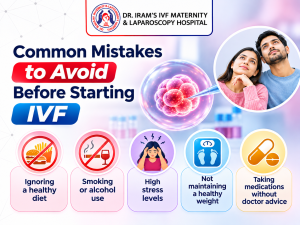
Common Mistakes to Avoid Before Starting IVF
Certain habits and assumptions may create unnecessary difficulties during fertility preparation.
1. Following Unverified Fertility Diets
There is no scientifically established diet that guarantees IVF success. Avoid restrictive diets and unverified fertility food plans.
2. Taking Supplements Without Medical Advice
Excessive or unnecessary supplements may cause side effects or interact with prescribed medicines.
3. Ignoring Male Fertility Evaluation
Both partners should undergo appropriate fertility assessment.
4. Delaying Consultation
Waiting too long may be unhelpful, particularly when age or known reproductive conditions are involved.
5. Comparing Treatment Results
Every couple has a different fertility history. Another person’s IVF experience cannot accurately predict your outcome.
6. Changing Prescribed Medication
Hormonal and other prescribed medicines should be taken exactly as instructed by the treating doctor.
IVF Treatment in BDA Colony, Bhopal
Couples searching for IVF Treatment in BDA Colony, Bhopal may have questions about how to prepare their bodies, which tests are required, and what lifestyle changes should be made before treatment. Dr. Iram Ajaz is associated with Dr. Iram’s IVF Maternity & Laparoscopy Hospital in Bhopal. The hospital began its journey in 2013 with a vision to support couples experiencing fertility challenges.
Before beginning IVF, couples may discuss their reproductive health, previous medical reports, hormonal conditions, and treatment history with the appropriate medical team. Preparation may involve nutritional guidance, medication review, ovarian reserve assessment, and evaluation of both partners.
IVF Centre in Shahpura, Bhopal
Couples looking for an IVF Centre in Shahpura, Bhopal may be exploring fertility treatment after unsuccessful attempts at natural conception or previous fertility procedures. Preparing for IVF involves more than taking medications. It includes understanding reproductive health, evaluating existing medical conditions, and following an appropriate treatment plan. A consultation can help couples understand whether IVF is suitable and what investigations should be completed before starting.
IVF Specialist in Gulmohar Colony, Bhopal
Patients searching for an IVF Specialist in Gulmohar Colony, Bhopal may want guidance about hormonal health, ovarian reserve, nutrition, and lifestyle preparation. A fertility specialist may evaluate menstrual cycles, AMH levels, ultrasound findings, and male fertility reports before recommending treatment. The preparation plan should be based on individual medical requirements rather than general advice alone.
IVF Clinic in Trilanga, Bhopal
Couples searching for an IVF Clinic in Trilanga, Bhopal may want to understand the medical tests, medication schedules, and lifestyle changes involved before beginning IVF. A proper pre-treatment evaluation helps identify conditions that may require attention before ovarian stimulation. Patients should also understand the different treatment stages, expected appointments, and possible risks associated with IVF procedures.
Fertility Treatment in Arera Colony, Bhopal
People looking for Fertility Treatment in Arera Colony, Bhopal may be experiencing difficulty conceiving due to hormonal conditions, PCOS, endometriosis, male-factor infertility, or unexplained infertility. The appropriate treatment depends on the underlying cause. Not every couple requires IVF immediately. A fertility assessment helps determine whether medication, ovulation induction, IUI, or IVF may be appropriate.
IVF Centre near Kolar Road, Bhopal
Couples searching for an IVF Centre near Kolar Road, Bhopal may want to understand the facilities, fertility evaluation process, laboratory standards, and treatment guidance available at different centres. Before choosing a centre, patients should consider the qualifications of the medical team, availability of embryology services, treatment transparency, and follow-up care. They should also discuss treatment expenses and the possibility of additional procedures or cycles.
Dr. Iram’s IVF Maternity & Laparoscopy Hospital – Bhopal
Dr. Iram’s IVF Maternity & Laparoscopy Hospital began its journey in 2013 with a vision to support couples experiencing fertility challenges. The hospital focuses on coordinated medical care, patient guidance, and helping individuals understand their available treatment options. Couples considering IVF can discuss their fertility history, medical reports, and treatment requirements with the appropriate healthcare professionals.
Summary
Preparing the body before IVF involves several important steps, including maintaining a balanced diet, managing existing medical conditions, reviewing medications, assessing reproductive health, and adopting healthy lifestyle habits. Both partners should participate in the preparation process because male and female reproductive health contribute to fertilisation and embryo development. Dr. Iram Ajaz, Obstetrician and Gynecologist, and Dr. Shahid Hassan, Expert Laparoscopic and General Surgeon, are associated with Dr. Iram’s IVF Maternity & Laparoscopy Hospital in Bhopal. A personalised medical evaluation helps couples understand their health requirements and prepare for the different stages of IVF treatment.
FAQs – How to Prepare Your Body Before Starting IVF Treatment?
1. How many months before IVF should I prepare my body?
Preparation should begin as early as possible before treatment. The exact time depends on the patient’s medical history, age, lifestyle, and investigation results. Some patients may need additional time to manage health conditions, while others may proceed after initial evaluation.
2. What foods should I eat before starting IVF?
A balanced diet containing fruits, vegetables, whole grains, protein-rich foods, nuts, and healthy fats can support general health. There is no particular food that guarantees IVF success.
3. Should I take folic acid before IVF?
Women planning pregnancy are generally advised to take 400 micrograms of folic acid daily, beginning at least one month before conception. A doctor may recommend a different dose depending on individual medical requirements.
4. Can exercise improve IVF success?
Moderate physical activity supports general health and weight management. However, exercise alone cannot guarantee IVF success. The intensity of physical activity should be adjusted during ovarian stimulation according to medical advice.
5. Should my husband also prepare before IVF?
Yes. Male fertility is equally important. Men should undergo appropriate fertility evaluation, avoid tobacco and recreational drugs, and follow healthy lifestyle habits before treatment.
6. Which tests are required before starting IVF?
Depending on the medical history, investigations may include AMH, FSH, TSH, pelvic ultrasound, antral follicle count, semen analysis, blood glucose testing, and infectious disease screening.
7. Can PCOS affect IVF treatment?
Yes. PCOS may affect ovulation and ovarian response to fertility medications. Women with PCOS may require an individualised stimulation protocol and monitoring to reduce treatment-related risks.
8. Should I stop drinking coffee before IVF?
Excessive caffeine intake should be avoided. Patients should discuss their daily caffeine consumption with their fertility specialist and follow the clinic’s recommendations.
9. Does stress affect IVF treatment?
Stress can affect emotional well-being during fertility treatment. Counselling, relaxation, adequate sleep, and family support may help patients cope. An unsuccessful IVF cycle should not be blamed on stress.
10. Who should I consult before starting IVF treatment in Bhopal?
Couples can consult a qualified fertility specialist to discuss their medical history, reproductive health, and treatment options. Dr. Iram Ajaz is associated with Dr. Iram’s IVF Maternity & Laparoscopy Hospital in Bhopal.
Conclusion – How to Prepare Your Body Before Starting IVF Treatment?
Preparing for IVF is an important step in the fertility journey. A balanced diet, appropriate nutritional supplements, healthy lifestyle habits, medical evaluation, and management of existing health conditions can help couples approach treatment with better preparation. Both partners should participate in the process, follow medical advice, and understand the different stages involved in IVF.
Dr. Iram Ajaz, Obstetrician and Gynecologist, and Dr. Shahid Hassan, Expert Laparoscopic and General Surgeon, are associated with Dr. Iram’s IVF Maternity & Laparoscopy Hospital in Bhopal. Every couple has different fertility requirements. A personalised treatment plan and proper medical guidance are important before beginning IVF.