
Becoming a parent is a deeply emotional and meaningful experience. When natural conception does not occur despite regular attempts, medical advancements can offer new hope. ICSI Treatment in Bhopal provides an effective and scientifically proven solution for couples facing infertility, particularly in cases related to male factors or unexplained infertility. Under the care of Dr. Iram Aijaz, Fertility Specialist in Bhopal, each couple receives thorough evaluation, structured treatment planning, and close medical supervision. This personalized approach helps improve success rates and supports couples in achieving healthy pregnancy outcomes with confidence and clarity.
What is ICSI and How Does It Work?
ICSI, or Intracytoplasmic Sperm Injection, is an advanced form of IVF that directly supports fertilization.
In this process, doctors do not wait for sperm to reach the egg naturally. Instead, an embryologist selects a single healthy sperm and injects it directly into a mature egg using a microscopic needle. This direct approach improves fertilization when sperm count, movement, or shape causes difficulty.
After fertilization, the egg develops into an embryo in a controlled laboratory environment. Doctors then transfer the healthiest embryo into the uterus, where it can implant and grow naturally. ICSI Treatment in Bhopal follows strict medical protocols to ensure safety and accuracy at every stage.
Who Should Consider ICSI Treatment in Bhopal?
Doctors recommend ICSI for couples who face specific fertility challenges that reduce natural fertilization chances.
ICSI helps couples when:
- The male partner has a low sperm count or weak sperm movement
- Sperm quality remains poor despite treatment
- Surgical sperm retrieval becomes necessary
- Previous IVF cycles did not result in fertilization
- The cause of infertility remains unexplained
A Fertility Specialist in Bhopal evaluates both partners through tests and scans before suggesting ICSI. Women under 35 often experience higher success, but doctors also plan effective treatment for older age groups.
Step-by-Step Process of ICSI Treatment
Doctors follow a structured and patient-friendly process during ICSI treatment.
The main steps include:
- Hormonal injections stimulate the ovaries to produce multiple eggs
- Regular ultrasounds and blood tests track egg growth
- Doctors retrieve mature eggs through a short, safe procedure
- The male partner provides a sperm sample on the same day
- Embryologists inject one healthy sperm into each egg
- Fertilized eggs develop into embryos over 3 to 5 days
- Doctors transfer the best embryo into the uterus
Throughout this process, a Gynecologist in Bhopal monitors progress closely and adjusts treatment when required.
Why Do Doctors Recommend ICSI Instead of Regular IVF?
Doctors choose ICSI when fertilization chances remain low with standard IVF methods.
ICSI improves outcomes because:
- It overcomes sperm-related fertility problems
- It increases fertilization rates in complex cases
- It supports couples with previous IVF failures
- It requires only one healthy sperm per egg
ICSI Treatment in Bhopal allows doctors to control fertilization precisely, which helps many couples move closer to pregnancy.
ICSI Treatment Cost in Bhopal
The cost of ICSI depends on medications, investigations, and laboratory procedures.
Average cost range:
-
₹1.2 lakh to ₹1.7 lakh per cycle
-
Additional tests or medicines may add ₹20,000–₹30,000
Compared to metro cities, ICSI Treatment in Bhopal remains more affordable while maintaining high medical standards and advanced laboratory support.

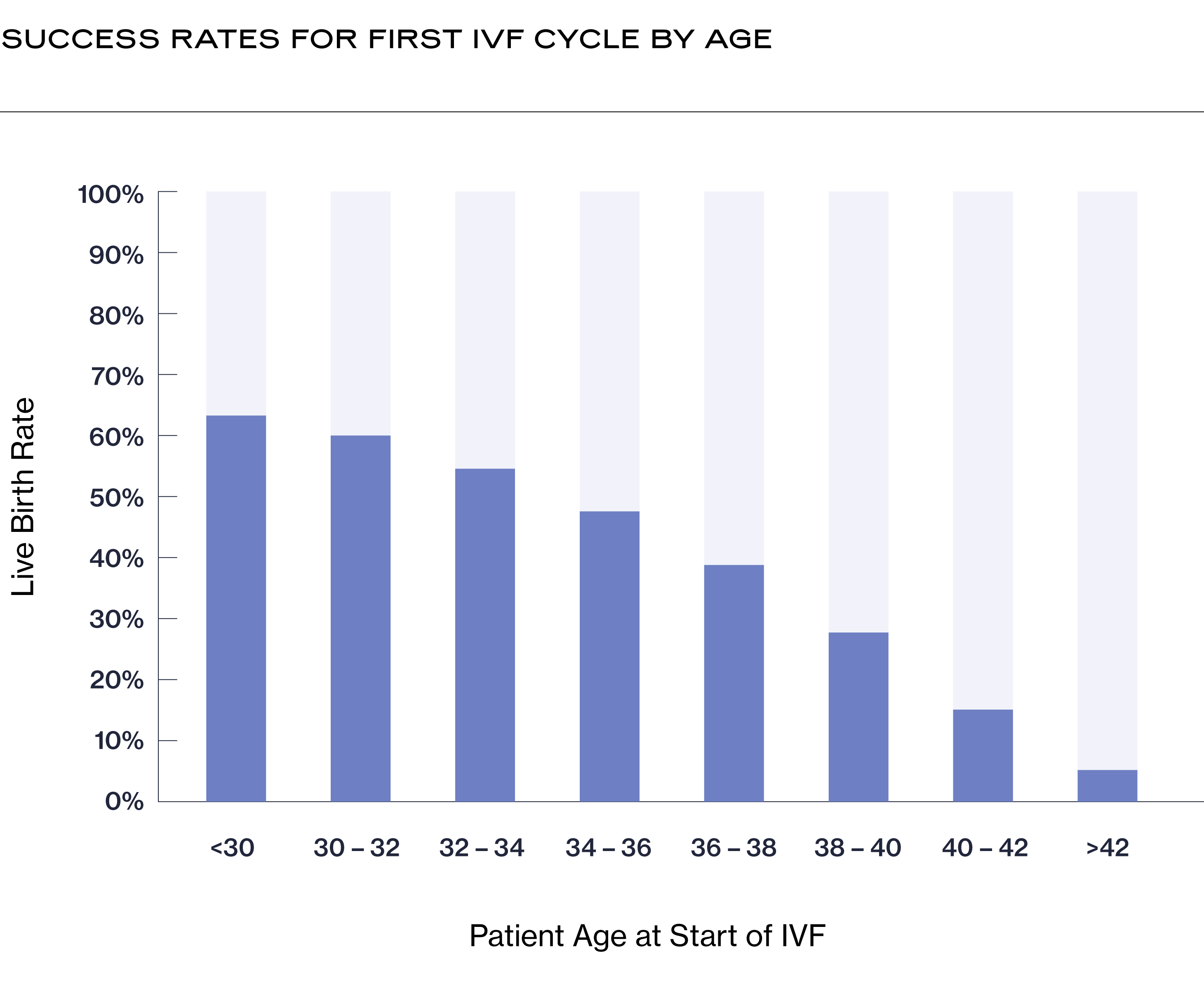

ICSI Success Rates by Age
Success depends on age, egg quality, sperm health, and overall wellbeing.
| Age Group | Pregnancy Success Rate per Cycle |
|---|---|
| Under 35 years | 45–55% |
| 35–37 years | 35–45% |
| 38–40 years | 25–35% |
| Above 40 years | 15–25% |
Younger women generally have higher success, but tailored protocols help improve outcomes in older age groups as well.
Possible Risks of ICSI Treatment
ICSI is considered safe, but like any medical procedure, it has minimal risks.
Possible concerns include:
-
Mild ovarian hyperstimulation (temporary swelling or pain)
-
Slight risk of bleeding or infection during egg retrieval
-
Higher chance of twins if multiple embryos are transferred
A qualified Gynecologist in Bhopal ensures close monitoring to reduce complications.
Why Choose Dr. Iram’s IVF Center in Bhopal?
Dr. Iram Aijaz is known for her patient-focused and transparent approach to fertility care.
What makes her center different:
- Clear explanation of every treatment step
- Personalized fertility plans
- Advanced embryology laboratory
- Supportive and calm treatment environment
- Ethical practices with realistic expectations
Couples feel guided, informed, and emotionally supported throughout their journey.
Frequently Asked Questions
-
How long does one ICSI cycle take?
One complete cycle of ICSI Treatment in Bhopal usually takes around 4 to 6 weeks. This time includes ovarian stimulation with medicines, regular ultrasound and blood test monitoring, egg retrieval, fertilization in the laboratory, embryo development, embryo transfer, and finally pregnancy testing.
When can pregnancy be confirmed after ICSI?
Doctors usually confirm pregnancy 10 to 14 days after embryo transfer through a blood test that measures the beta-hCG hormone. This test provides accurate results. If the result is positive, the doctor schedules an ultrasound later to confirm implantation and heartbeat.
Is ICSI suitable for women over 35?
Yes, ICSI is suitable for women over 35. Although fertility declines with age, a Fertility Specialist in Bhopal can design personalized treatment plans and monitor egg quality closely. With proper evaluation and care, many women over 35 still achieve successful pregnancy through ICSI.
Does lifestyle affect ICSI success?
Yes, lifestyle directly affects the success of ICSI Treatment in Bhopal. Eating a balanced diet, sleeping well, maintaining a healthy weight, managing stress, and avoiding smoking, alcohol, and excess caffeine help improve egg quality, sperm health, hormonal balance, and overall treatment outcomes.