
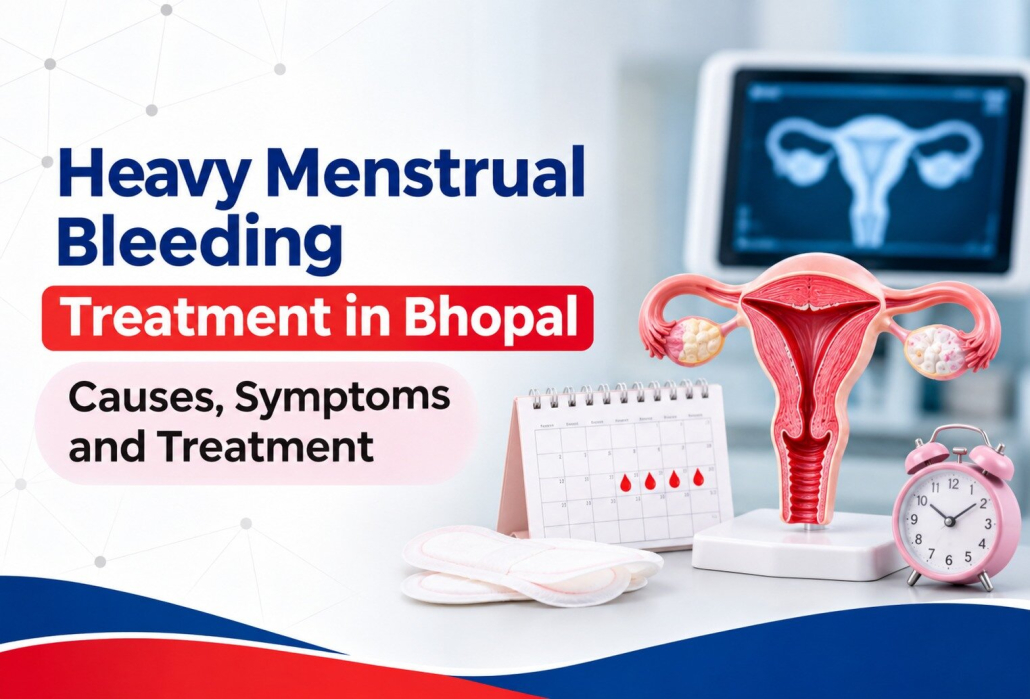
Menstruation is a natural part of a woman’s reproductive health. However, unusually heavy or prolonged menstrual bleeding may indicate an underlying medical condition that requires attention. Women experiencing excessive menstrual flow may notice frequent sanitary pad changes, large blood clots, severe cramps, weakness or periods that continue longer than usual.
Heavy menstrual bleeding, medically known as menorrhagia, can occur due to hormonal changes, uterine fibroids, endometrial polyps, adenomyosis, thyroid disorders and other reproductive health conditions. Although some variations in menstrual flow are normal, persistent excessive bleeding should not be ignored, particularly when it interferes with everyday activities.
Women looking for Heavy Menstrual Bleeding Treatment in Bhopal should understand that identifying the underlying cause is an important part of managing this condition. Early medical evaluation can help determine whether the bleeding is related to hormonal disturbances, uterine abnormalities or another health concern.
Dr. Iram Aijaz, Obstetrician-Gynaecologist at Dr. Iram’s IVF Maternity & Laparoscopic Hospital, Bhopal, emphasises the importance of recognising unusual menstrual changes and seeking appropriate medical guidance.
Women living in MP Nagar, Arera Colony, Kolar Road, Shahpura and other parts of Bhopal should pay attention to persistent changes in their menstrual cycles rather than considering excessive bleeding a normal monthly occurrence.
This guide explains the common causes, symptoms, diagnostic procedures and treatment options available for women experiencing heavy menstrual bleeding.
What Is Heavy Menstrual Bleeding? Understanding Menstrual Disorders
Heavy menstrual bleeding refers to menstrual flow that is unusually excessive, prolonged or disruptive to a woman’s daily routine.
A typical menstrual period generally lasts between two and seven days, although individual menstrual patterns may vary. Bleeding that continues beyond seven days or requires frequent changes of sanitary products may indicate a menstrual problem that needs medical assessment.
Common signs of heavy menstrual bleeding include:
- Changing sanitary pads or tampons every one to two hours.
- Experiencing menstrual bleeding for more than seven days.
- Passing large blood clots during menstruation.
- Needing to use two sanitary products together.
- Waking up during the night to change sanitary products.
- Bleeding through clothes or bedsheets.
- Experiencing unusual tiredness, dizziness or breathlessness.
Women searching for information about heavy periods in women should understand that persistent excessive bleeding is not something they need to tolerate without medical attention. A proper evaluation can help identify whether the problem is related to hormonal changes, the uterus or another medical condition.
What Are the Main Causes of Heavy Menstrual Bleeding?
Several hormonal, reproductive and medical conditions can contribute to excessive menstrual flow. Understanding these possible causes helps doctors recommend appropriate investigations and treatment.
Identifying the underlying condition is an important step in Heavy Menstrual Bleeding Treatment in Bhopal, as the management approach depends on the reason for excessive bleeding.
-
Hormonal Imbalance
Hormones such as oestrogen and progesterone regulate the menstrual cycle and control the growth and shedding of the uterine lining.
When these hormones become imbalanced, the uterine lining may grow excessively. If ovulation does not occur regularly, the lining may become thicker and eventually shed with heavier or irregular bleeding.
Hormonal disturbances may occur during adolescence, the years approaching menopause, PCOS, thyroid disorders and other reproductive health conditions.
A gynaecologist may recommend hormonal evaluation depending on the patient’s symptoms, age and menstrual history.
-
Uterine Fibroids and Excessive Period Bleeding
Uterine fibroids are non-cancerous growths that develop in or around the uterus. Their size, number and location can influence menstrual bleeding.
Fibroids located inside or near the uterine cavity may contribute to:
- Excessive menstrual flow.
- Prolonged periods.
- Pelvic pressure or discomfort.
- Lower abdominal heaviness.
- Frequent urination.
- Difficulty conceiving in some cases.
During evaluation for Heavy Menstrual Bleeding Treatment in Bhopal, identifying the size, number and location of fibroids helps the gynaecologist understand their possible effect on menstrual flow and select an appropriate management approach.
-
Endometrial Polyps and Abnormal Uterine Bleeding
Endometrial polyps are small growths that develop from the inner lining of the uterus.
They can interfere with normal menstrual bleeding and may cause:
- Heavy menstrual flow.
- Irregular periods.
- Bleeding between periods.
- Spotting after menstruation.
Ultrasound and hysteroscopy may help identify these growths. Depending on their size, symptoms and clinical findings, a doctor may recommend monitoring or removal.
-
Adenomyosis and Heavy Menstrual Flow
Adenomyosis occurs when tissue similar to the uterine lining grows into the muscular wall of the uterus.
This condition may cause heavy periods, painful menstruation, pelvic discomfort and an enlarged or tender uterus.
Women with adenomyosis sometimes experience progressively worsening menstrual pain. The treatment approach depends on symptom severity, age, medical history and future reproductive plans.
-
Thyroid Disorders and Menstrual Problems
The thyroid gland helps regulate several body functions, including metabolism and reproductive hormones.
Both underactive and overactive thyroid conditions may affect menstrual patterns. Some women experience irregular or unusually heavy periods because of thyroid-related hormonal disturbances.
Blood tests can help assess thyroid function when symptoms suggest a possible thyroid problem.
Thyroid test results can provide useful information when planning Heavy Menstrual Bleeding Treatment in Bhopal, especially when changes in menstrual flow occur alongside unexplained weight changes, fatigue or other symptoms of thyroid dysfunction.
-
Bleeding Disorders
Certain inherited or acquired medical conditions affect the body’s ability to form blood clots.
Women with bleeding disorders may experience excessive menstrual bleeding from their first periods. They may also have frequent nosebleeds, easy bruising or prolonged bleeding after dental procedures and surgeries.
A detailed medical history and appropriate blood investigations are important when planning Heavy Menstrual Bleeding Treatment in Bhopal, particularly for women who have experienced excessive bleeding since their first menstrual periods.
-
Medications and Contraceptive Devices
Some medicines, particularly anticoagulants, can increase menstrual blood loss.
Copper intrauterine contraceptive devices may also cause heavier periods, particularly during the initial months after insertion.
Women should discuss changes in menstrual flow with their doctor and should not discontinue prescribed medicines without medical advice.
Symptoms of Heavy Menstrual Bleeding: When Should Women Be Concerned?
Recognising the symptoms early can help women seek appropriate medical attention and avoid complications associated with excessive blood loss.
-
Excessive Menstrual Flow
One of the most noticeable symptoms is bleeding that requires frequent sanitary product changes. Some women experience sudden episodes of very heavy flow, particularly during the first few days of menstruation.
-
Prolonged Periods
Periods lasting longer than seven days may indicate abnormal menstrual bleeding, especially when the flow remains heavy throughout the cycle.
-
Large Blood Clots
Passing occasional small clots can happen during menstruation. However, repeatedly passing large blood clots along with heavy bleeding requires medical evaluation.
-
Severe Menstrual Cramps
Heavy periods may occur with significant lower abdominal pain or pelvic discomfort. Conditions such as adenomyosis and fibroids can contribute to these symptoms.
-
Fatigue and Weakness Due to Blood Loss
Excessive blood loss may reduce the body’s iron stores and lead to iron-deficiency anaemia.
Common symptoms include:
- Persistent tiredness.
- General weakness.
- Dizziness.
- Frequent headaches.
- Pale skin.
- Shortness of breath during physical activity.
- Difficulty concentrating.
Women experiencing these symptoms should consider medical evaluation, particularly when they occur alongside prolonged menstrual bleeding.
-
Changes in Daily Activities
Some women may avoid travelling, working, exercising or attending social events because they are concerned about sudden heavy bleeding.
When menstrual symptoms interfere with everyday activities, medical assessment becomes important.
When Should You Seek Treatment for Heavy Periods in Bhopal?
Not every variation in menstrual flow indicates a medical problem. However, repeated or unusually heavy bleeding should be investigated.
Consider consulting a gynaecologist if:
- Your periods regularly last longer than seven days.
- You need to change sanitary pads every one or two hours.
- You frequently pass large blood clots.
- You experience severe menstrual pain.
- You feel unusually weak or tired during periods.
- You experience bleeding between menstrual cycles.
- Your menstrual pattern changes suddenly.
- You experience bleeding after menopause.
Women looking for a gynaecologist for heavy periods should prioritise proper diagnosis instead of relying on home remedies or self-medication.
If bleeding is extremely heavy, you feel faint or dizzy, experience chest pain or breathlessness, or have severe abdominal pain, seek urgent medical care. Heavy bleeding with a possibility of pregnancy also requires prompt assessment.
How Is Heavy Menstrual Bleeding Diagnosed?
Diagnosis involves understanding the patient’s menstrual history, identifying associated symptoms and checking for possible underlying conditions.
Dr. Iram Aijaz may recommend investigations according to the patient’s age, symptoms, medical history and examination findings.
A proper diagnostic evaluation is an essential step in Heavy Menstrual Bleeding Treatment in Bhopal because it helps identify hormonal disturbances, uterine abnormalities and other possible medical conditions.
-
Medical and Menstrual History
The doctor may ask questions about:
- Age at the first menstrual period.
- Regularity of menstrual cycles.
- Duration of bleeding.
- Amount of menstrual flow.
- Frequency of sanitary product changes.
- Presence of blood clots.
- History of painful periods.
- Previous pregnancies and miscarriages.
- Current medicines and contraceptive methods.
- Family history of bleeding disorders.
Maintaining a menstrual calendar can make it easier to explain changes during consultation.
-
Complete Blood Count (CBC)
A complete blood count helps evaluate haemoglobin levels and other blood components.
This test is particularly useful when excessive menstrual bleeding may have caused anaemia.
-
Iron Studies
Iron deficiency may develop because of repeated blood loss.
Depending on symptoms and initial blood reports, the doctor may recommend ferritin and other iron-related investigations.
-
Thyroid Function Tests
Thyroid blood tests may be recommended when menstrual irregularities are associated with symptoms such as unexplained weight changes, fatigue, temperature sensitivity or changes in heart rate.
-
Pelvic Ultrasound
Ultrasound helps examine the uterus, ovaries and surrounding reproductive structures.
It may identify uterine fibroids, endometrial polyps, adenomyosis-related changes, endometrial thickness and ovarian abnormalities.
-
Hysteroscopy
Hysteroscopy involves inserting a thin instrument with a camera through the cervix to examine the inside of the uterus.
It may be recommended when a doctor needs to investigate suspected polyps, fibroids or other abnormalities inside the uterine cavity.
-
Endometrial Biopsy
In selected patients, a small sample of the uterine lining may be collected and examined.
It may be recommended depending on the patient’s age, risk factors, persistent abnormal bleeding and ultrasound findings.
Not every woman requires all these investigations. The diagnostic plan should be based on individual clinical findings.
Heavy Periods Treatment in Bhopal: Available Treatment Options
The treatment of heavy menstrual bleeding depends on the underlying cause, severity of bleeding, medical history, age and whether the woman wants to become pregnant in the future.
The approach to Heavy Menstrual Bleeding Treatment in Bhopal varies from woman to woman. The gynaecologist considers these factors before recommending suitable medical or procedural options.
-
Medication-Based Treatment
Medicines may help reduce menstrual blood loss, manage pain or regulate hormonal changes.
Depending on the diagnosis, treatment options may include:
Tranexamic Acid: This medicine helps reduce blood loss by supporting the body’s natural clot-stabilising process. It is generally prescribed during menstrual bleeding and is not suitable for everyone.
Anti-inflammatory Medicines: Certain non-steroidal anti-inflammatory medicines may help reduce menstrual pain and blood loss in some women. Their suitability depends on medical history and other health conditions.
Hormonal Contraceptive Medicines: Certain hormonal treatments can regulate menstrual cycles, reduce uterine lining growth and make periods lighter.
Progesterone Therapy: Progesterone-based medicines may be considered when hormonal imbalance or irregular ovulation contributes to abnormal bleeding.
These medicines should only be taken under medical supervision. The correct option depends on the patient’s condition and individual risk factors.
-
Treatment for Hormonal Imbalance
When hormonal disturbances contribute to excessive bleeding, the doctor may recommend treatment based on the underlying problem.
For example, thyroid-related menstrual changes may require appropriate thyroid management, while irregular ovulation may need a different treatment approach.
The aim is to address the underlying hormonal condition rather than simply suppressing the bleeding.
-
Treatment for Uterine Fibroids
Fibroid-related bleeding may be managed with medicines or procedures depending on the location, size and symptoms.
Treatment options can include:
- Medical management to control bleeding.
- Hormonal treatment in selected patients.
- Myomectomy to remove fibroids while preserving the uterus.
- Other fibroid-directed procedures when clinically appropriate.
Women planning future pregnancies may require particular consideration before choosing a treatment.
-
Hysteroscopic Polyp Removal
If endometrial polyps are responsible for persistent bleeding, hysteroscopic removal may be recommended.
The procedure allows the doctor to examine the uterine cavity and remove selected abnormalities using specialised instruments.
The removed tissue may be sent for laboratory examination when indicated.
-
Endometrial Ablation
Endometrial ablation is a procedure that destroys the uterine lining to reduce menstrual bleeding.
It may be considered for selected women who have not responded to other treatments and do not wish to become pregnant in the future.
Pregnancy after endometrial ablation can be dangerous, so this procedure is generally not suitable for women who want future pregnancies. Reliable contraception and appropriate counselling are important.
-
Hysterectomy
Hysterectomy is a surgical procedure involving the removal of the uterus.
It may be considered in selected cases of severe or persistent bleeding when other treatments have failed or are unsuitable.
Since pregnancy is no longer possible after this procedure, it requires careful discussion, consideration of alternatives and informed decision-making.
Can Heavy Menstrual Bleeding Affect Fertility and Pregnancy?
Heavy menstrual bleeding does not automatically mean that a woman is infertile. Many women with heavy periods can conceive naturally.
However, certain underlying conditions responsible for excessive bleeding may also affect reproductive health.
For example:
- Fibroids may interfere with implantation depending on their location.
- Endometrial polyps may affect the uterine cavity.
- Adenomyosis may be associated with reproductive difficulties in some women.
- Hormonal and ovulatory disorders may affect regular ovulation.
- Thyroid disorders may influence menstrual and reproductive function.
Women planning pregnancy should discuss persistent menstrual changes with a gynaecologist.
Dr. Iram Aijaz can help patients understand the importance of identifying underlying reproductive health conditions before planning further fertility investigations or treatment.
The choice of treatment should consider both menstrual health and future pregnancy goals. Some procedures, such as endometrial ablation and hysterectomy, are not suitable for women who wish to become pregnant in the future.
Lifestyle and Daily Care for Women Experiencing Heavy Periods
Lifestyle changes cannot replace medical treatment for underlying causes, but healthy daily habits can support overall well-being.
-
Maintain an Iron-Rich Diet
Women experiencing excessive blood loss may be at risk of iron deficiency.
Include foods such as:
- Green leafy vegetables.
- Lentils and beans.
- Nuts and seeds.
- Fortified cereals.
- Meat and fish, if included in your diet.
Vitamin C-containing foods can improve the absorption of iron from plant-based sources.
If iron deficiency is confirmed, dietary changes alone may not be sufficient. Medical advice regarding supplementation may be necessary.
-
Stay Hydrated
Adequate fluid intake supports normal body functions, particularly when menstrual bleeding is accompanied by weakness or fatigue.
-
Maintain a Menstrual Calendar
Record the start and end dates of periods, bleeding intensity, clotting and associated symptoms.
This information helps the doctor understand menstrual patterns more accurately and assess changes over time.
-
Get Adequate Rest
Women experiencing heavy periods may feel tired because of blood loss or associated anaemia.
Adequate sleep and appropriate physical activity can support general health and daily functioning.
-
Avoid Self-Medication
Taking hormonal tablets or medicines without understanding the underlying cause may delay proper diagnosis.
Women undergoing Heavy Menstrual Bleeding Treatment in Bhopal should follow their doctor’s recommendations and avoid changing prescribed medicines without medical advice.
Frequently Asked Questions About Heavy Menstrual Bleeding in Bhopal
-
What Is Considered Heavy Menstrual Bleeding?
Heavy Menstrual Bleeding Treatment in Bhopal refers to menstrual flow that is unusually excessive or prolonged and affects daily activities. Signs include changing sanitary pads every one to two hours, passing large blood clots, bleeding for more than seven days and experiencing weakness or fatigue. Women experiencing these symptoms should consider medical evaluation to identify the underlying cause.
-
What Are the Common Causes of Heavy Menstrual Bleeding?
The common causes include hormonal imbalance, uterine fibroids, endometrial polyps, adenomyosis, thyroid disorders and certain bleeding conditions. Some medicines and contraceptive devices can also affect menstrual flow. Women experiencing persistent symptoms should consult a gynaecologist in Bhopal for appropriate examination and diagnostic testing.
-
When Should I Seek Heavy Periods Treatment in Bhopal?
You should consider medical consultation when your periods regularly last longer than seven days, sanitary pads become soaked frequently, large blood clots appear or menstrual bleeding interferes with your daily routine. Dizziness, breathlessness and persistent weakness may indicate anaemia. A gynaecologist can assess your symptoms and recommend suitable treatment.
-
Can Hormonal Imbalance Cause Excessive Period Bleeding?
Yes. Hormonal imbalance can interfere with ovulation and the normal development and shedding of the uterine lining. When ovulation does not occur regularly, the uterine lining may become thicker and produce heavier or irregular bleeding. Thyroid disorders and PCOS are among the conditions that may contribute to hormonal menstrual disturbances.
-
Is Menorrhagia Treatment in Bhopal Necessary for Every Woman With Heavy Periods?
Not every woman with a heavier-than-usual period needs medication or surgery. Treatment depends on bleeding severity, associated symptoms, age and the underlying cause. However, persistent excessive bleeding, prolonged periods or symptoms of anaemia should be medically evaluated. A gynaecologist can determine whether observation, medication or a procedure is appropriate.
-
How Is Abnormal Uterine Bleeding Treatment Decided?
Treatment depends on the patient’s age, symptoms, medical history and underlying diagnosis. A doctor may recommend blood tests, pelvic ultrasound or hysteroscopy before selecting treatment. Options may include hormonal medicines, non-hormonal medication, treatment for fibroids or polyps, and selected surgical procedures. Future pregnancy plans are also important when deciding treatment.
-
Can Heavy Periods Affect My Chances of Getting Pregnant?
Heavy periods themselves do not always affect fertility. However, conditions such as fibroids, adenomyosis, endometrial polyps and ovulation disorders may contribute to both excessive bleeding and difficulties conceiving. Women experiencing menstrual changes while planning pregnancy should discuss their symptoms with a fertility specialist or gynaecologist.
-
Which Tests Are Recommended for Heavy Menstrual Bleeding?
The investigations depend on individual symptoms and medical history. Common tests may include a complete blood count, iron studies, thyroid function tests and pelvic ultrasound. In selected cases, hysteroscopy or endometrial biopsy may be recommended to examine the uterine lining and identify abnormalities responsible for abnormal bleeding.
-
Can Women Manage Heavy Periods Naturally?
Healthy nutrition, adequate hydration, sufficient rest and menstrual tracking can support general health. Iron-rich foods may be particularly helpful for women at risk of iron deficiency. However, natural methods cannot reliably treat conditions such as fibroids, polyps or hormonal disorders. Persistent excessive bleeding requires medical assessment.
-
Where Can I Consult a Gynaecologist for Heavy Periods in Bhopal?
Women experiencing prolonged or excessive menstrual bleeding can consult an obstetrician-gynaecologist for evaluation. Dr. Iram Aijaz is associated with Dr. Iram’s IVF Maternity & Laparoscopic Hospital in Koh-e-Fiza, Bhopal. Women from MP Nagar, Arera Colony, Shahpura and Kolar Road can contact the hospital to enquire about consultation availability.
Conclusion: Understanding Heavy Menstrual Bleeding and Its Treatment
Heavy menstrual bleeding is a common women’s health concern, but persistent excessive flow should not be considered a normal part of menstruation. It may be associated with hormonal imbalance, fibroids, endometrial polyps, adenomyosis, thyroid conditions or other medical problems.
Early evaluation helps identify the underlying cause and allows appropriate treatment to be considered. Women should pay attention to prolonged periods, frequent sanitary product changes, large blood clots, severe cramps and symptoms of anaemia.
For women seeking Heavy Menstrual Bleeding Treatment in Bhopal, Dr. Iram Aijaz and the team at Dr. Iram’s IVF Maternity & Laparoscopic Hospital can be contacted for information about gynaecological consultation and available evaluation services.
Understanding menstrual health, recognising warning signs and seeking timely medical advice can help women make informed decisions about their reproductive and overall health.